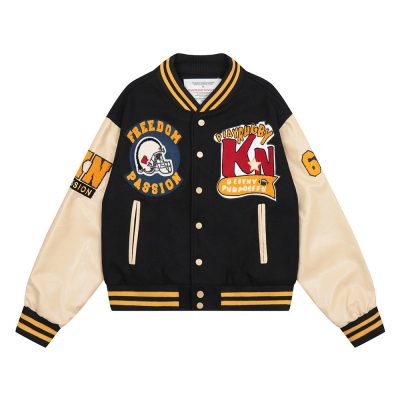
While jeans are the foundation of any denim brand, a well-constructed denim jacket is the ultimate statement piece. It commands a higher retail price, offers excellent profit margins, and remains relevant across multiple seasons as a layering essential.
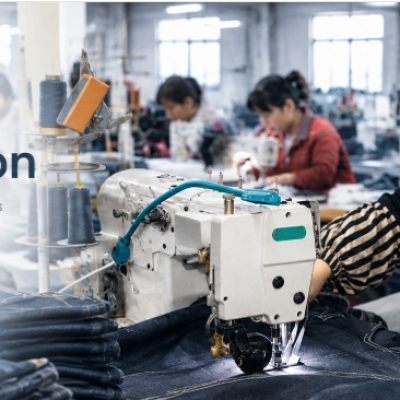
However, manufacturing a premium denim jacket requires more than just heavy fabric. The complex paneling, multiple shank buttons, and intricate topstitching demand precision engineering on the factory floor. At Xinen Garment, we help brands develop everything from classic trucker jackets to oversized vintage fits.
If you are looking to expand your collection, here is the complete factory guide to manufacturing private label and custom denim jackets.
Why Are Denim Jackets the Ultimate Addition to Your Apparel Brand?
Denim jackets offer a unique commercial advantage: they are not bound by strict sizing constraints in the same way jeans are. A customer might struggle to find the perfect waist-to-hip ratio in jeans, but jacket sizing (S, M, L, XL) is much more forgiving. This leads to higher online conversion rates and significantly lower return rates for your brand. Furthermore, jackets provide a large canvas for branding, whether through custom embroidery, large back patches, or unique hardware.
What Custom Features Differentiate a Premium Jacket from a Basic Blank?
When you work with a direct factory like Xinen, you aren’t just buying a pre-made blank; you are building a garment that carries your brand’s DNA. The difference lies in the details.
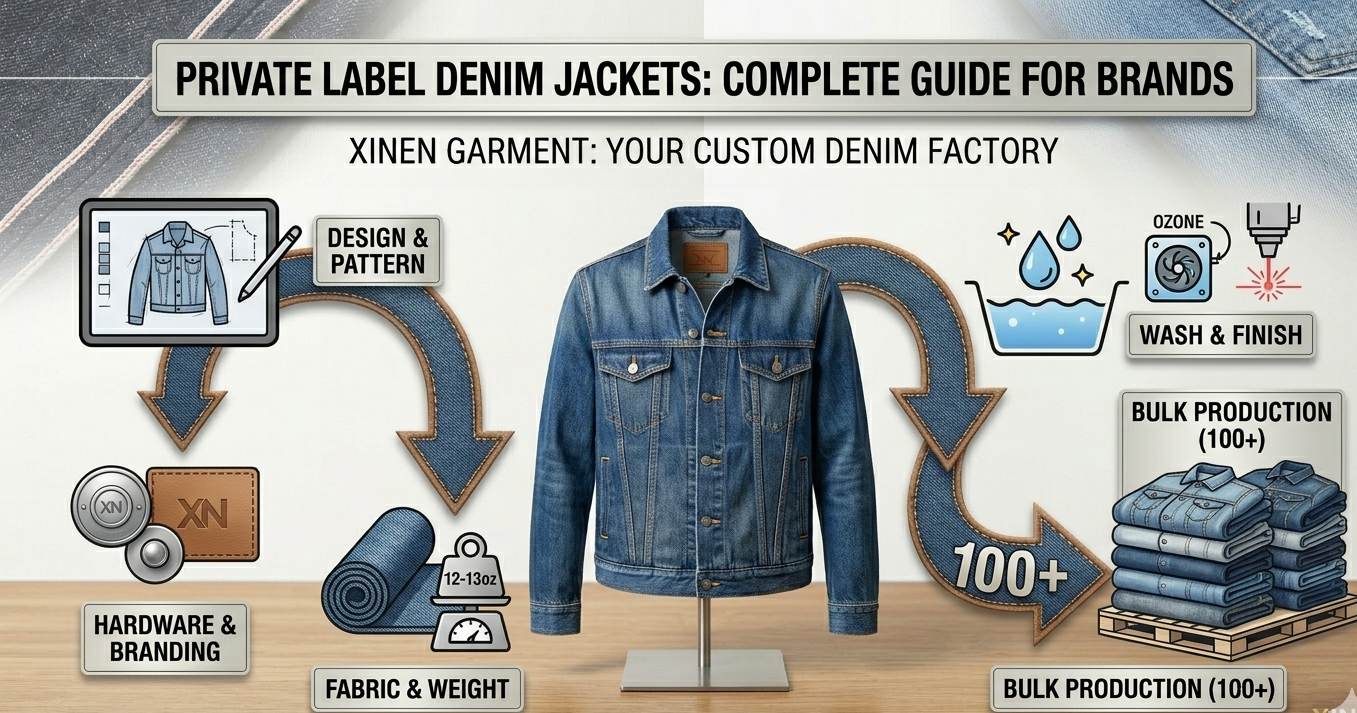
- Hardware: A standard jacket has around 14 to 15 shank buttons (front closure, chest pockets, cuffs, and waist adjusters). Upgrading to custom logo-engraved copper or antique brass buttons instantly elevates the perceived value.
- Stitching: We use heavy-duty double-needle stitching on the front pleats and yoke. Using contrasting thread (like a classic gold or tobacco color against dark indigo) highlights the structural quality.
- Pockets: Beyond the classic chest flap pockets, modern consumers demand functional side welt pockets and hidden interior pockets for phones or wallets.
Which Denim Weight is Ideal for Jacket Manufacturing?
Choosing the wrong fabric weight will ruin the drape of your jacket. If it’s too light, it looks like a cheap shirt; if it’s too heavy, it becomes unwearable armor.
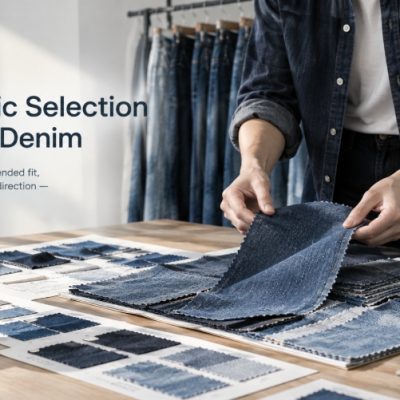
- The Sweet Spot (12oz – 13oz): For classic trucker jackets, we highly recommend a 12oz to 13oz midweight denim. It has enough structural integrity to hold the collar shape and shoulder lines, but it is comfortable enough to wear over a hoodie.
- The Summer Option (9oz – 10oz): If you are designing an oversized, flowy “shacket” (shirt-jacket) for spring/summer, a lighter 10oz denim woven with a small percentage of Tencel provides the perfect soft drape.
How Does the Wash Process Transform the Final Product?
A jacket has more high-friction areas (elbows, seams, collars) than a pair of pants. During our enzyme and pumice stone wash processes, these thick seams naturally lose indigo faster, creating beautiful, high-contrast fade lines (known as “roping” at the hems). At Xinen Garment, our wash technicians can hand-scrape the elbow honeycombs and apply ozone washing to give your new jackets an authentic 1990s vintage aesthetic without compromising the fabric’s strength.
How Do You Start Production with a Low MOQ?
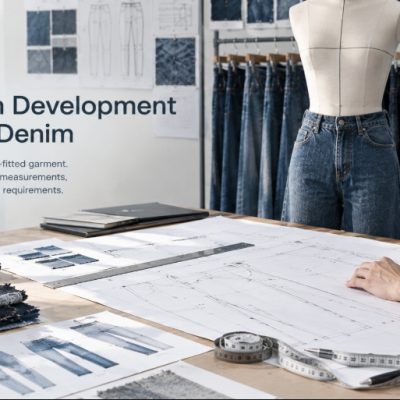
Traditionally, factories shy away from jacket orders because the assembly time is significantly longer than a standard five-pocket jean. However, our specialized custom manufacturing lines at Xinen Garment are optimized for Low MOQs. You can launch your private label jacket collection with just 100 pieces per style. You provide the Tech Pack (or a physical reference sample), and we handle the pattern grading, fabric sourcing, washing, and bulk production.
Key Takeaways
- Higher margins, lower returns: Jackets are easier to fit online than jeans, making them a highly profitable e-commerce item.
- Hardware is your billboard: With up to 15 buttons on a single jacket, investing in custom logo hardware is the easiest way to establish brand identity.
- Stick to the 12-13oz rule: Unless you are making a summer overshirt, 12oz to 13oz denim provides the ideal balance of rugged structure and daily comfort.
- Demand a PP Sample: Always test the fit and wash on a physical Pre-Production (PP) sample before approving the bulk fabric cut.
Frequently Asked Questions (FAQ)
Q: Can I use the same denim fabric for my jeans and my jackets to create a matching set?
A: Yes, creating a “Canadian Tuxedo” or matching set is very popular. We can use the exact same bulk fabric roll and wash recipe for both the top and bottom to guarantee a 100% color match.
Q: Does it cost more to manufacture a denim jacket than a pair of jeans?
A: Yes. A jacket requires more fabric yardage, more hardware (14+ buttons compared to 1 on jeans), and involves much more complex sewing operations (like setting sleeves and collars). The Cost Per Unit (CPU) will be higher, but your retail markup will also be proportionally larger.
Q: Can you add a warm lining to the denim jackets for winter collections?
A: Absolutely. We frequently manufacture winter-ready denim jackets featuring Sherpa (faux shearling), flannel, or quilted polyester linings. Keep in mind that lined jackets require slightly adjusted pattern grading to accommodate the extra interior volume.
Q: What is the MOQ for custom engraved buttons on my jackets?
A: Hardware factories typically require an MOQ of 1,000 to 3,000 pieces per button mold. Since a single jacket uses about 15 buttons, a 100-piece jacket order will use 1,500 buttons, easily meeting the hardware factory’s minimums without leaving you with massive dead stock.