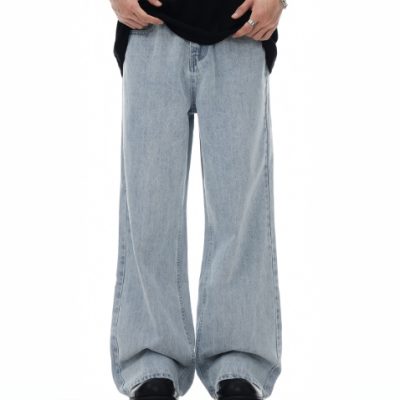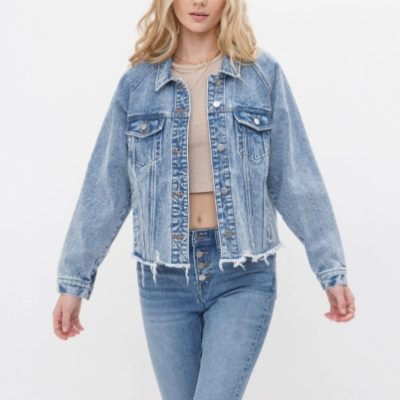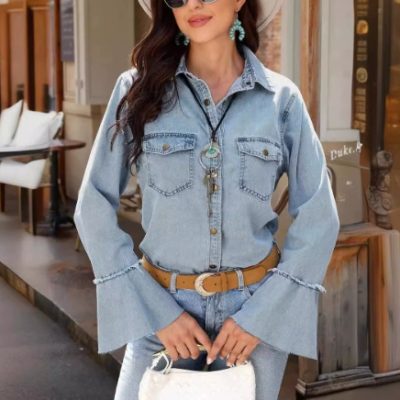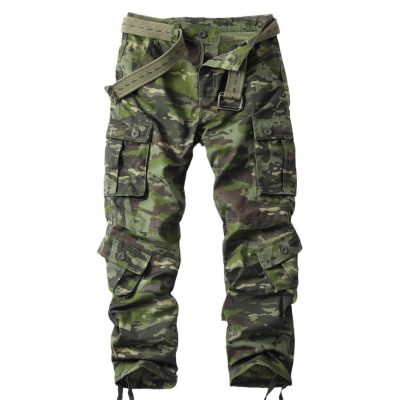
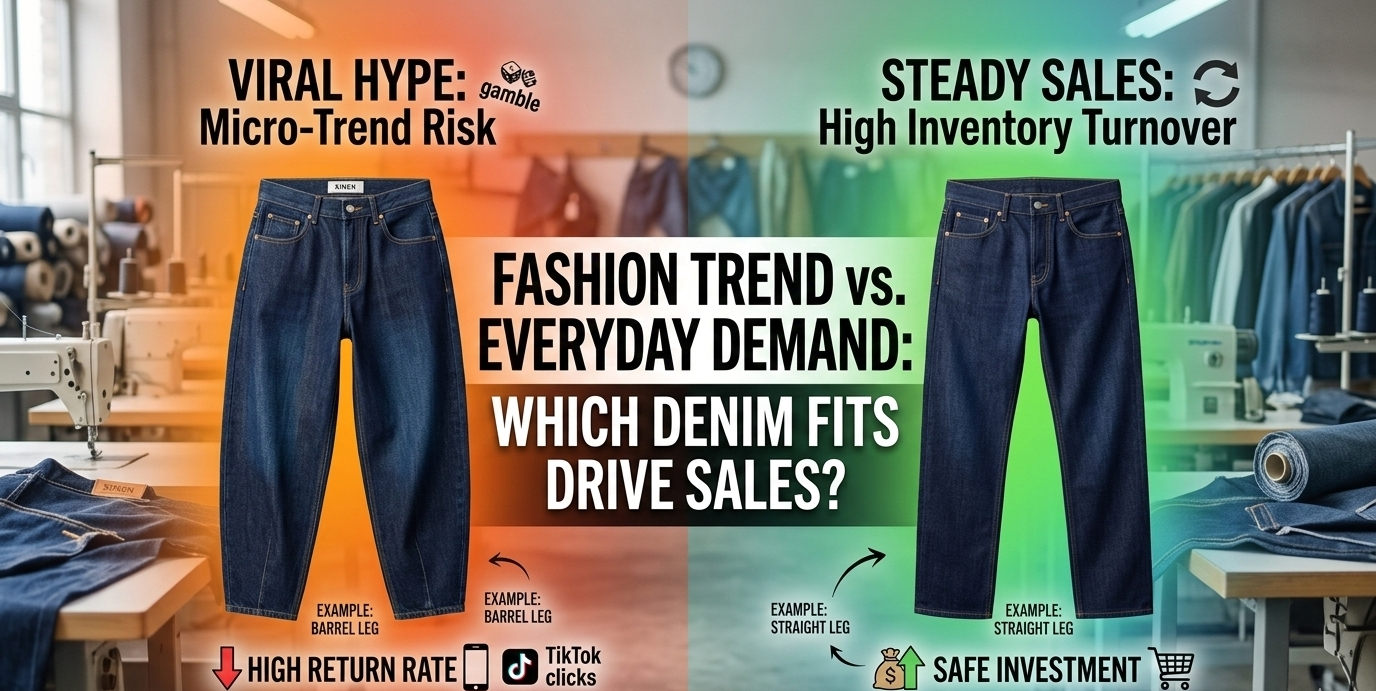
Every designer wants to be the one who predicted the “Barrel Leg” or the “Extra-Wide Puddle Jean” before it went viral. It feels great to see your trendiest piece on an influencer’s feed. But as someone who sees the production numbers every day, I can tell you the truth: Hype doesn’t always equal cash flow.
The biggest mistake small brands make is over-investing in “Fashion Trends” while neglecting the “Everyday Demand.” If your warehouse is full of extreme silhouettes that only 5% of the population can pull off, you aren’t running a business—you’re running a gallery.
Here is the breakdown of what actually drives consistent denim sales and how to stop losing money on unsold “cool” jeans.
Why do “boring” fits always win the sales race?
Let’s look at the data. Year after year, the Straight Leg and the Slim-Straight are the undisputed kings of the market. Why? Because they are “safe.”
When a customer spends $150–$200 on a pair of premium jeans, they usually want something they can wear at least three times a week. A classic straight-leg denim fit works with boots, sneakers, and heels. It works at the office and at a bar.
For a brand, these are your “Core” styles. They have a high inventory turnover rate because they aren’t tied to a specific month or TikTok aesthetic. If you don’t sell a pair of straight jeans in October, you’ll likely sell them in January. Trends, however, have an expiration date.
Is chasing “Viral Trends” worth the risk for small labels?
Chasing micro-trends is like gambling. If you hit it right, you can sell out in a week. If you hit it wrong, you are stuck with hundreds of pairs of jeans that look “dated” by next season.
For an independent denim startup, the risk of extreme trends is the return rate. High-fashion fits (like super low-rise or extreme oversized) are notoriously difficult to fit on different body types. If the fit is slightly off, the customer sends them back. Every return eats your profit margin.
Trends should be used as “Seasoning,” not the main course. They get people to click on your website, but the “Everyday Demand” fits are what they usually end up buying.
How do you balance your collection to stay relevant but profitable?
The most successful brands we work with follow the 80/20 Rule.
- 80% Core Styles: High-quality, reliable fits (Straight, Slim, or Wide-Leg Basics) in classic washes like Dark Indigo or Mid-Blue. This is your “rent money.”
- 20% Trend Styles: This is where you experiment with barrel leg jeans, heavy distressing, or the “color of the moment” (like 2026’s earth tones).
This strategy allows you to look like a “fashion-forward” brand without putting your entire bank account at risk. If the trend fails, it only affects a small portion of your stock. If it succeeds, you’ve found a new hero product for your next drop.
Which fits have the lowest return rates in Western markets?
In the US and European markets, the high-waisted straight leg has the lowest return rate. It’s forgiving on the midsection, elongates the legs, and is familiar to the consumer.
The highest return rates? Rigid (non-stretch) skinny jeans and Ultra-wide leg jeans. Why? Because the margin for error is tiny. One centimeter off in the hip or the length, and the garment doesn’t look like the photo. If you are doing a low MOQ denim production run, start with fits that have a broader “fit window” to keep your customers happy and your returns low.
FAQ: Managing Your Denim Product Mix
How do I know if a trend is “over” before I start production?
Look at the big fast-fashion retailers. If Zara and H&M are already discounting a specific fit at 50% off, the trend is likely on its way out. Premium brands should aim to catch a trend in its “early growth” phase or stick to “elevated classics.”
Can I use the same fabric for both Trend and Core fits?
Absolutely. In fact, we recommend it. By using the same premium 13oz denim fabric for a straight jean and a trendy wide-leg, you can hit your fabric minimums more easily and maintain a consistent “brand feel” across the whole collection.
Should I ever do “Seasonal” colors in my Core fits?
Yes, this is a great way to refresh your best-sellers. Take your best-selling straight fit and release it in a limited-edition “Sand” or “Olive” for Spring. You already know the fit works, so you are only testing the color, not the silhouette.
What is the most “stable” denim fit for 2026?
The “90s Relaxed Straight.“ It sits right between a classic straight and a wide leg. It’s comfortable, looks premium in rigid denim, and appeals to both Gen Z and Millennial shoppers.