

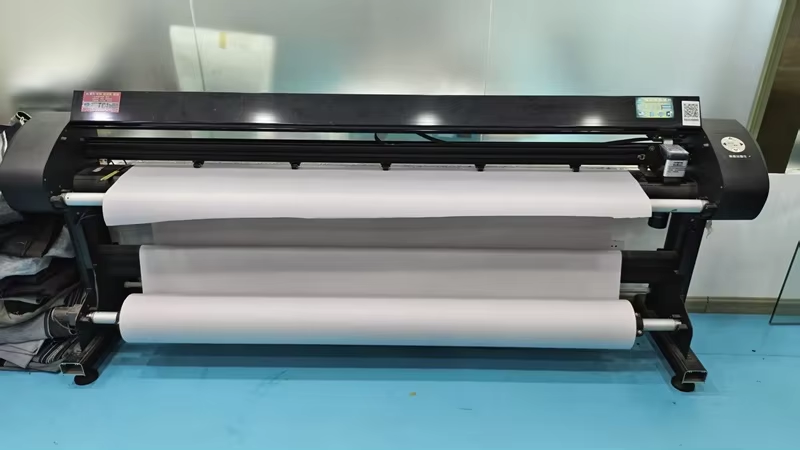
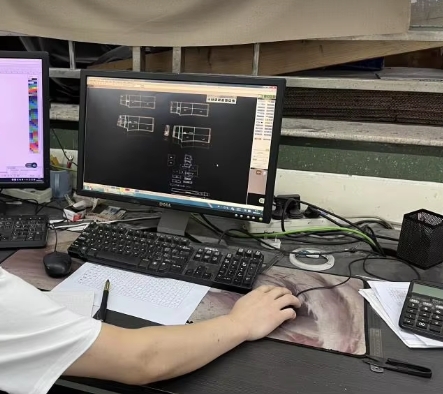
Achieving the right fit in custom denim requires more than transferring a set of flat dimensions onto a paper pattern. A measurement chart provides target numbers, but the final fit of a pair of jeans is shaped by how the fabric, pattern geometry, garment construction, and washing processes interact.
At Xinen Garment, denim fit and pattern development is an active engineering process. We work alongside fashion brands, product developers, and designers to translate technical packs, reference garments, or design concepts into stable, production-ready denim patterns. By accounting for fabric weight, stretch characteristics, shrinkage, and wet processing early in the development phase, we help brands establish a reliable fit foundation before moving into bulk manufacturing.
What Is Included in Custom Denim Fit Development?
Developing a custom denim fit involves balancing visual proportion, ergonomic comfort, and mechanical fabric behavior across the entire garment silhouette. Rather than evaluating specs in isolation, pattern development focuses on the structural relationship between key points of measure:
- Waistband and Waist Construction: Setting the waistband pitch, contour, and drop to prevent gaping or pulling while ensuring comfortable seating.
- Front and Back Rise Balance: Defining the vertical balance between the front and back crotch curves. The back rise must account for seat depth, while the front rise controls flat front appearance and rise height.
- Seat Shape and Waist-to-Hip Balance: Shaping the hip curve and seat depth to accommodate body contours without creating excess fabric fold under the seat or tightness across the hip line.
- Thigh Width and Knee Position: Setting upper-leg volume and positioning the knee line accurately relative to the inseam length to establish the correct break for straight, tapered, or flared legs.
- Leg Silhouette and Inseam Alignment: Drafted to maintain leg balance from thigh to leg opening, ensuring the side seams and inseams do not twist after assembly and washing.
- Pocket Placement and Visual Proportions: Positioning front coin pockets, pocket scoops, and rear patch pockets relative to yoke depth and seat proportions to maintain balanced visual aesthetics across all sizes.
Because different denim styles—from rigid heritage cuts to high-stretch contemporary fits—behave differently under tension, each silhouette demands specific pattern adjustments rather than a standard template draft.
Starting From a Tech Pack, Measurement Chart or Reference Sample
Every brand approaches denim product development at a different stage. We adapt our pattern-making process to match the information you provide:
- Denim Tech Packs: If you have a full tech pack with a detailed measurement spec, stitch specifications, and construction details, we review the measurements for structural balance and prepare the initial digital pattern accordingly.
- Reference Garments: Sending a physical reference sample—whether an vintage original, a competitor fit you admire, or a previous prototype—is often the most precise starting point. We measure the physical sample, analyze its seam construction, and extract the base fit characteristics.
- Measurement Charts or Flat Sketches: When working from a preliminary spec or detailed flat drawing, we build the initial pattern structure from scratch, applying standard denim pattern ratios to bridge any missing measurement points.
- Existing Fits or Modifications: If you want to modify an existing brand fit (for example, keeping your standard waist and seat fit while widening the leg silhouette), we build upon the proven base pattern to reduce development iterations.
When development input is partial or incomplete—such as flat sketches without cross-body specs—we collaborate to establish missing reference points before drafting. While initial discussions can begin with visual references, a physical sample or clear dimension spec ensures greater accuracy during initial pattern creation.
How Denim Fabric Affects Pattern Development
In denim manufacturing, pattern development cannot be separated from fabric selection. Unlike stable woven apparel fabrics, denim undergoes significant physical changes during garment assembly and wet processing.
Fabric Selection & Properties
(Weight, Stretch %, Recovery, Rigid vs. Stretch)
            │
            ▼
Pattern Drafting & Allowance Calibration
(Shrinkage & Growth Offsets)
            │
            ▼
Garment Construction & Assembly
            │
            ▼
Washing & Finishing Processing
            │
            ▼
Final Fit & Measurement Evaluation
Key fabric variables considered during pattern drafting include:
Rigid vs. Stretch Denim
Rigid (100% cotton) denim relies entirely on pattern ease and geometric shaping for comfort and movement. Stretch denim (cotton blended with elastane, T400, or polyester) contracts during cutting and expands under tension during wear. A pattern drafted for a 14 oz rigid denim will fit drastically smaller if cut in a 10.5 oz stretch denim without recalculating ease and recovery allowance.
Fabric Weight and Weave Density
Heavyweight denims (14 oz and above) hold a rigid, boxy form and require slightly wider ease around joints and seams to allow natural drape and movement. Lightweight denims (under 10 oz) collapse closer to the body, requiring precise rise and seat shaping to avoid draping folds.
Shrinkage and Wash Reactions
Denim fabrics shrink both longitudinally (warp) and laterally (weft) during washing. Furthermore, intense wet processes like stonewashing, bleaching, or enzyme treatment can shrink or relax fabric fibers differently than light rinse washes. We calculate expected shrinkage values for the selected fabric and integrate wash-growth allowances directly into the pattern template prior to cutting initial samples.
From the First Pattern to the Fit Sample
Transforming a design concept into an approved production pattern follows a systematic development sequence:
- Spec & Requirement Review: Analyzing tech packs, fabric test data, and design references.
- Pattern Drafting: Creating the initial 2D digital CAD pattern with built-in seam allowances and calculated shrinkage offsets.
- First Sample Cutting & Assembly: Cutting raw fabric according to grainline requirements and sewing the prototype using target thread weights and stitch types.
- Initial Wash Processing: Submitting the raw sample to the target wash recipe to bring the fabric to its finished state.
- Spec Verification: Measuring the washed sample against the original target specification sheet to evaluate dimensional accuracy.
- Live Fit Evaluation: Testing the garment on a fit model or mannequin to evaluate drape, balance, mobility, and visual proportion.
- Fit Feedback & Revision: Documenting specific adjustment points (e.g., altering back rise angle, adjusting yoke depth, or refining thigh width).
- Pattern Adjustment: Updating digital pattern files and grading rules.
- Resampling (If Required): Creating a secondary fit sample if major structural or fabric adjustments were made.
- Final Fit Confirmation: Securing brand approval on the final pattern before proceeding to size grading and production pre-mastering.
The number of sample rounds depends on the complexity of the design, fabric stability, and clarity of the initial specs. Straightforward adaptations of existing fits may require only one sample, while custom high-stretch or heavily distressed silhouettes often undergo two or more revisions to perfect.
Common Denim Fit Problems We Review
During fit evaluations, specialized pattern adjustments are applied to resolve common structural issues:
| Fit Problem | Observed Symptom | Pattern Adjustment Area |
| Waistband Gaping | Gap between lower back and waistband when sitting or standing | Recalculate waistband contour curve; adjust upper back rise angle |
| Lower Back Folds | Excess horizontal fabric bunches below the waistband at the rear | Shorten back rise height or reduce upper yoke depth |
| Front Rise Drag Lines | Diagonal pulling lines radiating across the front crotch | Extend front crotch extension; adjust front curve hook angle |
| Tightness Across Seat | Flattened look across seat or tightness along rear seam | Deepen rear crotch curve; add width across back hip spec |
| Leg Twisting | Inseam or side seam twists toward the front during wear/washing | Re-align pattern grainlines relative to warp/weft skewing angle |
| Unbalanced Knee Position | Knee break point falls too low or high relative to leg length | Shift knee reference point vertically along inseam axis |
| Pocket Distortion | Rear pockets tilt outward or look off-center when worn | Adjust pocket angle relative to yoke line and back pocket placement grid |
Pattern Development for Different Denim Fits
Different denim silhouettes demand distinct pattern drafting logic:
    STRAIGHT LEG                 WIDE LEG                   SKINNY FIT
  ┌──────────────┐           ┌──────────────┐           ┌──────────────┐
  │ Equal width  │           │ Dropped rise │           │ Reduced ease │
  │ from knee to │           │ Expanded leg │           │ High stretch │
  │ leg opening  │           │ volume       │           │ recovery     │
  └──────────────┘           └──────────────┘           └──────────────┘
- Straight-Leg Jeans: Focuses on vertical seam balance. The width at the knee is carried down to the hem in proportion, requiring strict grainline balance to keep the leg hanging straight without torque.
- Relaxed & Wide-Leg Fits: Requires careful control of seat balance and rise depth. Because leg volume is expanded, the top block must fit securely at the waist and hip to prevent the garment from sliding down or looking oversized in the upper seat.
- Baggy Silhouettes: Features increased ease through the rise, hip, and thigh. The challenge lies in balancing upper-leg volume with lower-leg length so the hem breaks properly over footwear without pooling excessively on the floor.
- Flare & Bootcut Fits: Pattern adjustments focus on the transition point around the knee. The knee width is narrowed relative to the thigh, and the side seam/inseam curves are swept outward smoothly toward the hem.
- Skinny Jeans: Relies heavily on fabric stretch and recovery percentages. Pattern specs are drafted smaller than target body dimensions (negative ease) in key areas like the thigh and calf, requiring precise contouring around the knee and ankle to avoid horizontal tension lines.
- Utility & Carpenter Denim: Incorporates extra ease for mobility along with functional pocket overlays, hammer loops, and reinforced knee panels. The pattern must account for structural bulk created by double-layer fabric panels and heavy topstitching.
Denim Grading for Different Sizes
Once a base fit (typically size 30 or 32 for menswear, or size 26 or 27 for womenswear) is approved, the pattern must be scaled across the full size range. This process is called grading.
Effective denim grading does not simply add a uniform increment to every measurement point. Proper grading maintains proportional visual balance across all sizes:
- Waist and Hip Scaling: Graded proportionately to accommodate body circumference changes.
- Rise Adjustments: Front and back rises are graded incrementally across sizes to ensure larger sizes retain sufficient rise depth without creating excess fabric in smaller sizes.
- Thigh, Knee, and Hem Ratios: Graded along a curve so that wider waist sizes do not end up with disproportionately wide lower legs unless intended by the silhouette.
- Pocket Scaling and Placement: Rear pocket size and spacing are adjusted proportionally across extreme sizes (e.g., XS to XXL) so pockets do not appear overly large on small sizes or tiny on larger sizes.
Keeping an Approved Fit Consistent in Repeat Production
Developing a great fit is only half the task; maintaining that fit across bulk production and re-orders requires rigorous technical control:
- Digital CAD Archiving: All approved patterns, shrinkage calculations, and grading rules are stored digitally to eliminate variation between production batches.
- Standardized Spec Sheets: Final approved measurements—both raw (uncut) and finished (post-wash)—are documented in master tech specifications.
- Fabric Batch Testing: Every new roll or batch of denim fabric is tested for warp and weft shrinkage before cutting. If a re-ordered fabric batch has a slightly different shrinkage rate, the CAD pattern is recalibrated before bulk cutting begins.
- Wash Standard Retention: Physical reference samples (“gold samples”) from approved fit rounds are archived to serve as control standards for bulk sewing and wash processing.
How Fit Development Connects With Denim Wash Development
In custom denim manufacturing, wet finishing (washing, bleaching, dyeing, laser distressing, and ozone treatments) changes both the visual appearance and the physical dimensions of the garment.
A fit sample measured raw off the sewing line will not match its final measurements once it undergoes wash processing. Heat, water immersion, and mechanical agitation relax weave tension and cause fibers to contract. Heavy washing processes like stone washing or acid washing can also alter fabric weight and hand feel, changing how the jean drapes on the body.
For this reason, fit evaluation and wash development must be conducted concurrently. To learn more about how wash processes impact fabric performance and appearance, visit our detailed guide on Custom Denim Wash Development and Finishing.
What We Need From a Brand Before Starting Fit Development
To streamline the pattern drafting process, providing structured initial information helps minimize sample iterations. Useful inputs include:
- Design Concept or Flat Sketches: Showing front and back views, pocket placement, stitching styles, and hardware details.
- Target Measurement Specs: Key dimensions including waist, hip, front/back rise, thigh, knee, leg opening, and inseam.
- Physical Reference Garment: A reference sample representing your ideal fit, rise, or leg shape.
- Fabric Preference & Stretch Profile: Fabric weight (oz), composition (100% cotton, cotton/poly, or elastane blends), and stretch expectations.
- Intended Wash Level: Target wash finish (rinse, medium vintage wash, heavy stonewash, or bleached).
- Size Range Requirements: Target base size for initial sampling and full size range for grading.
If you do not have a complete tech pack, our team can work from your physical references or core design specs to construct the necessary technical documentation. Explore our complete guide to Custom Denim Manufacturing to understand our full production workflow.
From Fit Approval to Denim Production
Once the fit sample is reviewed and approved by your product team, the development phase transitions seamlessly into production planning:
Fit Approval ──► Pattern Finalization ──► Fabric Quality Inspection ──► Bulk Cutting & Assembly ──► Industrial Washing ──► Final Inspection & Delivery
- Pattern Finalization: CAD files are locked, and master size grading is applied.
- Fabric Preparation: Production fabric rolls undergo shrinkage testing and shade grouping.
- Pre-Production Sample (PP Sample): A final pre-production sample is sewn using production fabric and trimmed to confirm all construction specs.
- Bulk Manufacturing: Bulk cutting, sewing, wash processing, and finishing proceed under strict inline quality control.
Frequently Asked Questions About Denim Fit & Pattern Development
1. Can you develop a jeans pattern from a reference sample?
Yes. We can measure and analyze a physical reference sample, reverse-engineer its construction and balance, and draft a corresponding digital CAD pattern.
2. Can you work from a denim tech pack?
Yes. If you provide a full tech pack with spec sheets and construction details, we review the measurements for structural balance and draft the initial pattern directly from your specifications.
3. How many fit samples are normally needed?
Most styles require 1 to 2 sample rounds. Simple modifications to existing fits may require only one fit sample, whereas complex silhouettes or high-stretch denim styles may require a second round to fine-tune after wash evaluation.
4. Does denim fabric affect the pattern?
Yes. Fabric weight, stretch percentage, recovery, and shrinkage rates directly dictate pattern dimensions. A pattern drafted for 100% cotton rigid denim cannot be used for stretch denim without adjusting ease and shrinkage allowances.
5. Can the fit be adjusted after the first sample?
Yes. After reviewing the first fit sample, you can submit fit comments and measurement adjustments. We update the digital CAD pattern before producing a revised sample or moving to pre-production.
6. How does washing affect denim fit?
Industrial washing causes shrinkage in both length and width while altering fabric flexibility. Pattern drafting accounts for fabric-specific shrinkage rates so that the garment shrinks down to target measurements after wet processing.
7. Can an approved denim fit be used for repeat production?
Yes. Approved CAD patterns and graded specifications are digitally archived. They can be reused for repeat orders or adapted for new colorways and wash variations.
8. What information should I send before starting a denim development project?
You can start by providing a tech pack, measurement sheet, reference photos, or a physical sample, along with details regarding your target fabric weight, stretch requirements, wash effect, and size range.
Discuss Your Denim Fit Development
If you are developing a new denim line or refining an existing fit, send us your tech pack, measurement chart, reference sample, or design brief. Our technical team will review your specifications and discuss fabric compatibility, pattern adjustments, and sampling steps before moving into development.


