

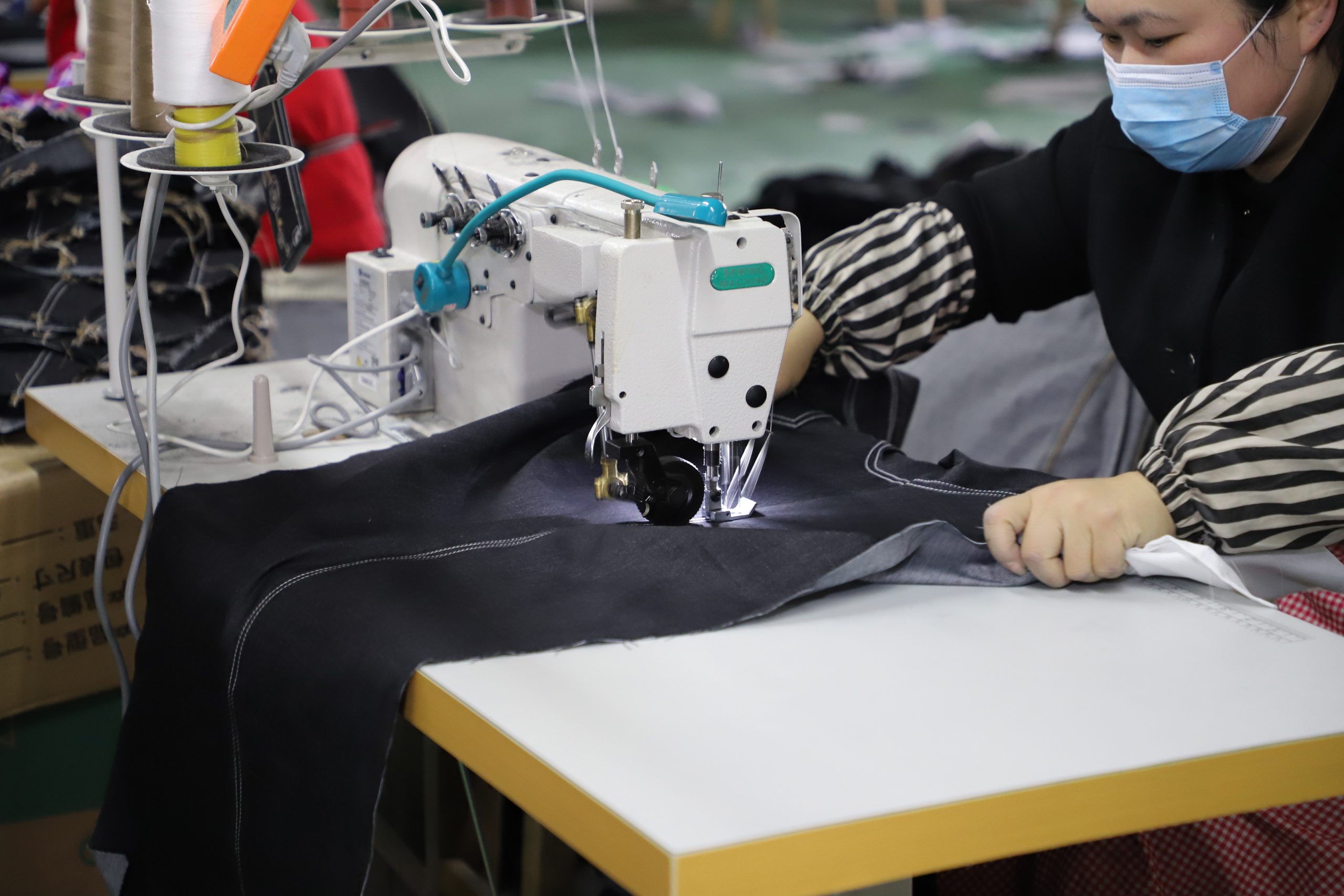
Sustainable garment manufacturing is not a single process or label. In real production, it is a series of practical decisions made across materials, processes, and factory management.
As a garment manufacturer, our role is to help brands reduce unnecessary impact during production—within realistic technical and supply chain limits—while maintaining product consistency and quality.
We focus on sustainable options that can be implemented in actual bulk manufacturing, not marketing concepts that only work on paper.
What Sustainability Means in Real Garment Production
In manufacturing, sustainability is about control and responsibility rather than claims.
It usually involves:
- Selecting materials with lower environmental impact when available
- Reducing waste during cutting, washing, and finishing
- Managing water, chemicals, and energy in daily production
- Ensuring production processes meet compliance requirements
Not every style or order can adopt all sustainable options. Part of our work is helping brands understand which choices are feasible for their product and order scale.
Sustainable Fabric Options We Support
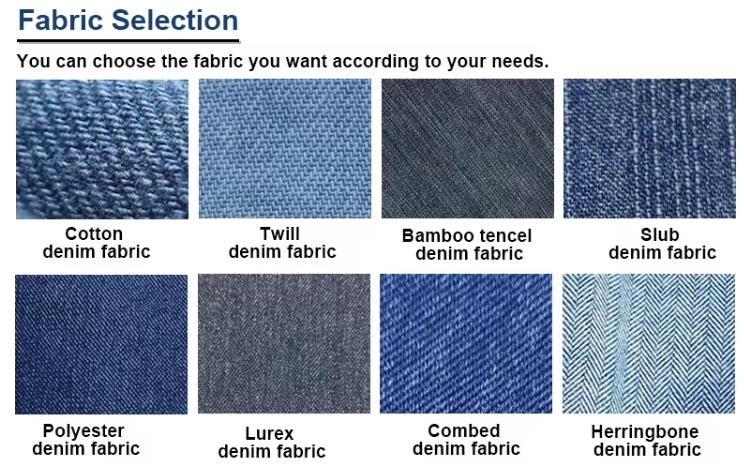
Material selection is often the starting point for sustainable garment development.
Depending on the product type and design requirements, we can work with:
- Organic or responsibly sourced cotton fabrics
- Recycled cotton or blended recycled fibers
- Denim fabrics designed for reduced water or chemical use
- Certified fabrics provided by nominated mills
Fabric availability, performance, and consistency are always evaluated before production. Sustainability should not compromise fit, durability, or wear performance.
Process-Level Sustainability in Manufacturing
Beyond materials, many sustainability improvements come from how garments are produced.
Our production approach focuses on:
- Optimized cutting plans to reduce fabric waste
- Controlled washing processes to avoid over-processing
- Standardized workflows to limit rework and defects
- Batch-based production planning to reduce energy loss
These measures may not be visible on the final garment, but they directly affect environmental impact and production stability.
Washing and Finishing Considerations
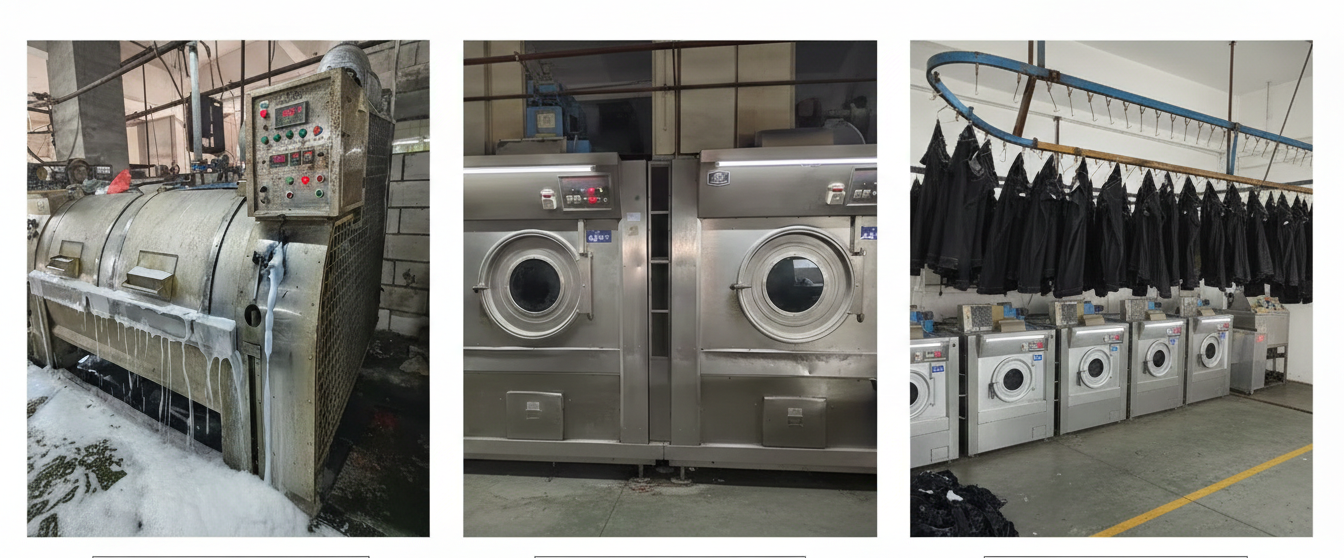
Washing and finishing are among the most resource-intensive stages in garment manufacturing, especially for denim.
Where suitable, we support:
- Low-water or reduced chemical washing methods
- Controlled wash recipes for repeatable results
- Avoidance of unnecessary heavy effects when not required
- Testing wash outcomes during sampling to reduce bulk risk
Final wash methods are always discussed based on design intent, fabric behavior, and bulk feasibility.
Compliance and Responsible Production
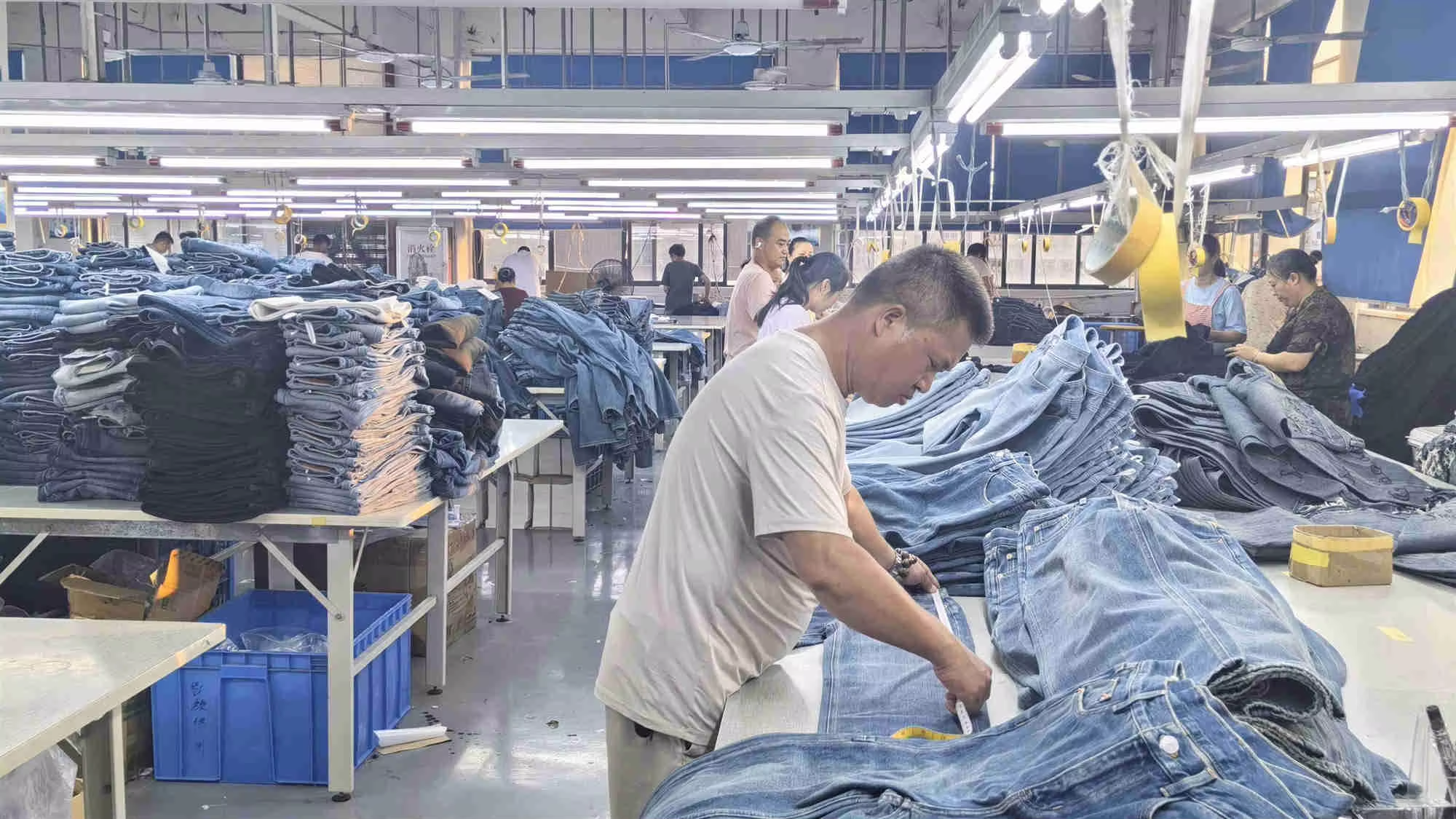
Sustainable manufacturing is closely linked to compliance and factory management.
We operate under standard compliance frameworks required by international brands, including:
- Production safety and worker protection standards
- Chemical handling and storage controls
- Waste management procedures
- Documentation for audits and inspections
Compliance is not treated as a marketing point, but as a baseline requirement for responsible production.
Sustainability and MOQ Reality
Sustainable options are influenced by order quantity.
Some processes and materials require minimum volumes to be viable, especially when certified fabrics or specialized washing methods are involved.
For low MOQ or sampling-stage projects, sustainability efforts often focus on:
- Material selection
- Process control
- Avoiding unnecessary development waste
As quantities scale, additional sustainability measures become more practical.
Working with Brands on Sustainable Development
We do not position sustainability as a fixed package. Instead, we work with brands to evaluate:
- Product goals and target market
- Fabric and trim options
- Order quantity and development stage
- Compliance and documentation needs
This allows sustainability decisions to align with both brand values and production reality.
A Practical Approach to Sustainable Garment Manufacturing
Sustainable garment manufacturing requires balance—between responsibility, feasibility, and product performance.
Our role is to provide clear manufacturing guidance, transparent options, and realistic expectations, helping brands make informed decisions throughout development and production.
If sustainability is part of your brand strategy, we are open to discussing how it can be applied responsibly within your specific project.


