

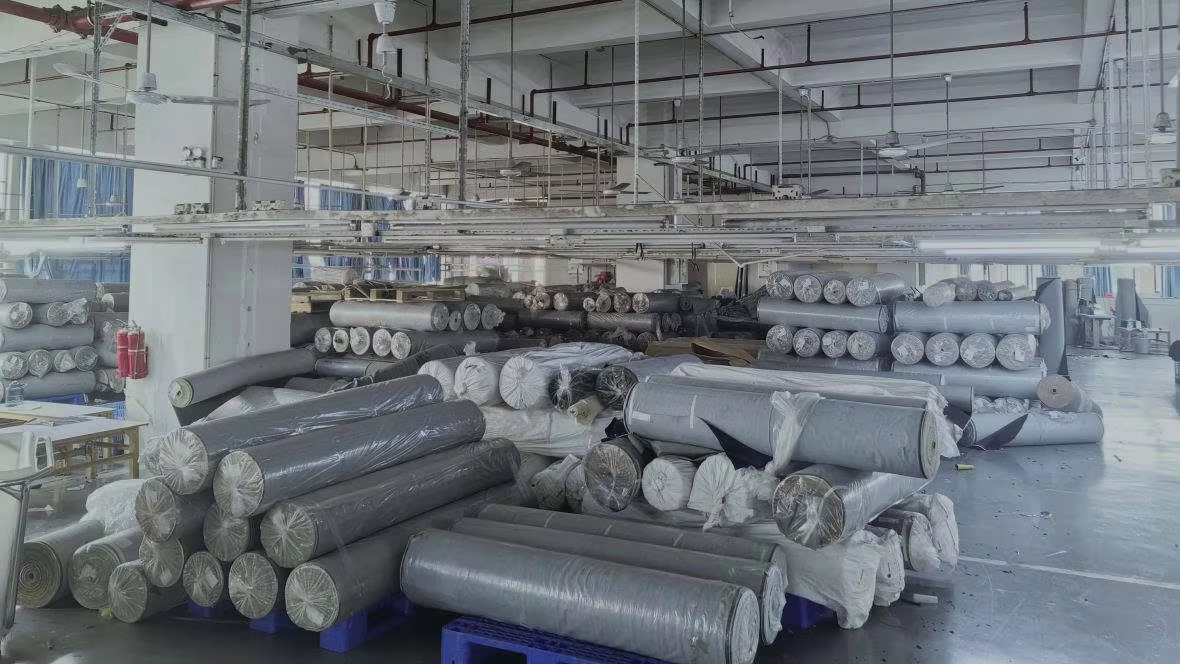
A Practical Approach to Denim Manufacturing
In denim manufacturing, fabric and process decisions shape the final product long before production begins. How a fabric behaves, how a pattern is built, how washing is controlled, and how quality is checked all influence fit, appearance, and consistency across orders.
This page outlines how we approach fabric and process as connected steps rather than isolated choices. The goal is not to show complexity, but to explain how denim development is managed in a practical and repeatable way for brands, designers, and growing labels.
Denim Fabric Options
Fabric selection is the foundation of any denim project. It affects fit, durability, wash results, and how the garment performs after wear. From a factory perspective, fabric choice is not only about look or hand feel, but also about stability and production suitability.
Understanding Cotton Denim in Production
Cotton denim remains the base fabric for most jeans. Its behavior varies depending on yarn quality, weave structure, and finishing method. In production, cotton denim is evaluated for weight stability, shrinkage after washing, and surface consistency.
Different cotton denims may suit different product goals. Some are better for clean, minimal styles, while others work well for heavy washing or vintage effects. Fabric decisions are often made together with wash planning to avoid unexpected changes during finishing.
Stretch Denim Options
Stretch denim is widely used in both men’s and women’s jeans. From a manufacturing point of view, stretch fabrics require additional attention. Elastic content affects pattern allowance, wash shrinkage, and long-term recovery.
When working with stretch denim, we consider stretch ratio, rebound behavior, and how elasticity reacts after washing. Stretch levels are reviewed in relation to fit expectations rather than treated as a fixed specification. This helps reduce fit variation between samples and bulk production.
Non-Stretch Denim Options
Non-stretch denim is often chosen for structured fits, vintage styles, or rigid silhouettes. These fabrics behave more predictably in some areas, but they are less forgiving in fit.
For non-stretch denim, pattern accuracy and wash control become more critical. Small changes in fabric weight or shrinkage can affect the final garment feel. Fabric selection is matched carefully with the intended cut and wash process.
Denim Weights and Constructions
Denim weight and construction influence comfort, drape, and durability. Lighter weights are often used for seasonal collections or relaxed styles, while heavier fabrics are selected for workwear or classic denim looks.
Construction details such as weave density and yarn twist are reviewed in relation to sewing performance and washing behavior. The aim is to choose fabrics that align with both design intent and production stability.
Sustainable Denim Fabric Considerations
Sustainable denim fabrics are increasingly requested by brands. From a factory perspective, sustainability involves material sourcing, fabric performance, and process compatibility.
When using sustainable fabrics, attention is paid to consistency and wash behavior. These fabrics may respond differently during finishing, so testing and sampling become especially important. Fabric choices are discussed openly to balance environmental goals with product performance.
Pattern Making & Fit Development
Pattern making translates design ideas into wearable garments. In denim manufacturing, fit development is a process that evolves through testing, adjustment, and documentation rather than a one-time task.
Jeans Pattern Development Process
Jeans patterns are built based on balance and proportion. Key areas such as rise, hip, thigh, and leg opening are developed together to maintain overall fit harmony.
Initial patterns are created to match the brand’s target customer and intended silhouette. Fit samples are then reviewed and adjusted step by step. Each revision builds on the previous one, allowing changes to remain controlled rather than disruptive.
Fit Adjustment and Revision Workflow
Fit revisions are part of normal development. Changes may be driven by wear feedback, wash results, or size grading behavior.
A clear revision workflow helps ensure that adjustments are applied correctly. Fit comments are recorded and referenced during later stages to reduce repeated issues. This approach supports more predictable results when moving from sampling to bulk production.
Plus Size Pattern Capability
Plus size denim requires dedicated pattern logic rather than scaled-up standard sizes. Body proportions change across size ranges, and patterns must account for comfort, movement, and garment balance.
In plus size development, fit evaluation often focuses on waist-to-hip relationship, thigh comfort, and rise behavior. Patterns are adjusted gradually to maintain shape and consistency across sizes.
Differences Between Men’s and Women’s Fit
Men’s and women’s jeans differ in both proportion and wearing expectations. Pattern development reflects these differences rather than applying a single base approach.
Women’s denim often requires more attention to curve balance and stretch behavior, while men’s denim focuses on structure and movement ease. Understanding these differences helps align production with design intent.
Washing & Finishing
Washing and finishing define the final appearance and feel of denim garments. These processes also influence garment dimensions and long-term wear performance.
Enzyme and Stone Washing
Enzyme and stone washing are commonly used to soften fabric and create worn effects. From a production standpoint, these processes are managed to balance appearance with fabric strength.
Wash parameters are tested before bulk production to confirm color change, shrinkage, and surface condition. Adjustments are made gradually to avoid over-processing.
Vintage and Distressed Effects
Vintage and distressed finishes involve controlled abrasion, fading, or localized damage. These effects require careful handling to maintain garment durability.
Each treatment is reviewed for consistency and repeatability. Test garments help confirm that visual results align with approved samples before full production begins.
Clean and Minimal Washes
Clean washes highlight fabric quality and construction details. Because these styles show fewer surface effects, fabric consistency and shade control become more visible.
For clean denim styles, wash control focuses on maintaining uniform color and stable measurements across batches.
Stretch Denim Wash Control
Washing stretch denim requires additional monitoring. Stretch recovery and shrinkage behavior are checked to ensure fit remains within acceptable tolerance.
Wash testing helps confirm that elasticity and comfort are preserved after finishing. This reduces the risk of unexpected size changes in bulk production.
Quality Control in Denim Manufacturing
Quality control is integrated throughout the denim manufacturing process. It is not limited to final inspection, but applied at multiple stages to manage variation and reduce production risk.
Fabric Inspection Standards
Incoming fabric is inspected for surface defects, shading, width variation, and stretch behavior. Fabric inspection helps identify potential issues before cutting begins.
Fabric lots are tracked where possible to reduce color variation after washing. Inspection records support traceability and future reference.
In-Line Quality Control
In-line quality control focuses on identifying issues during sewing and washing rather than after completion. Common checks include stitching quality, seam alignment, and component attachment.
Wash processes are monitored to ensure consistency with approved samples. Early detection allows adjustments without disrupting production flow.
Final Garment Inspection
Final inspection reviews finished garments against agreed specifications. Visual appearance, function, and overall condition are checked before packing.
Garments outside acceptable tolerance are separated for review. Clear sorting standards help maintain shipment consistency.
Measurement and Fit Consistency
Measurement checks are conducted after washing, as denim dimensions change during finishing. Key measurements are reviewed across sizes to ensure grading consistency.
Fit consistency is evaluated over time, especially for repeat styles. Feedback from production supports ongoing pattern refinement.
Managing Fabric and Process as a System
In denim manufacturing, fabric, pattern, washing, and quality control are closely connected. Decisions made at one stage affect results at the next.
By managing these elements as a system, development becomes more predictable. Sampling cycles are clearer, production risks are reduced, and repeat styles become easier to manage.
For brands working with external factories, this approach supports clearer communication and more stable outcomes across seasons.
Working With Brands at Different Stages
Different brands require different levels of support. Start-up brands may need more guidance during fabric selection and fit development, while established brands often focus on consistency and repeatability.
A structured fabric and process approach helps align expectations at every stage. It allows both sides to work from shared reference points rather than assumptions.
Closing
Fabric and process decisions shape the real performance of denim garments. Managing these steps with clarity and consistency supports long-term collaboration rather than short-term results.
This Fabric & Process overview reflects how denim manufacturing is handled in practice—from fabric selection to final inspection—so brands can better understand how their products are developed and produced.


