

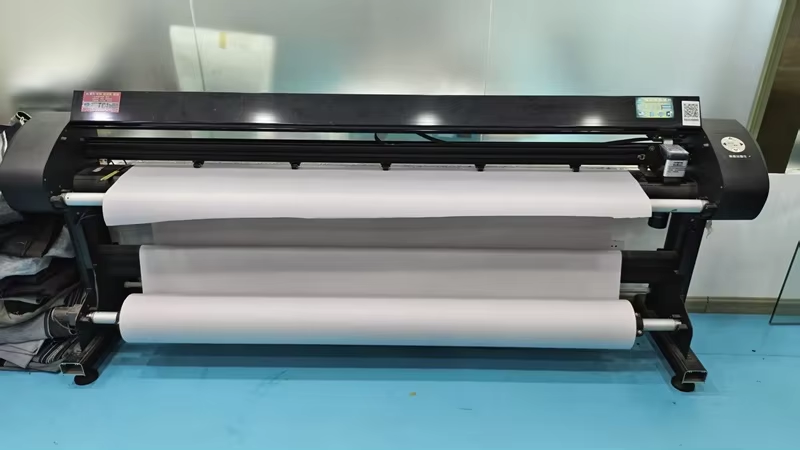
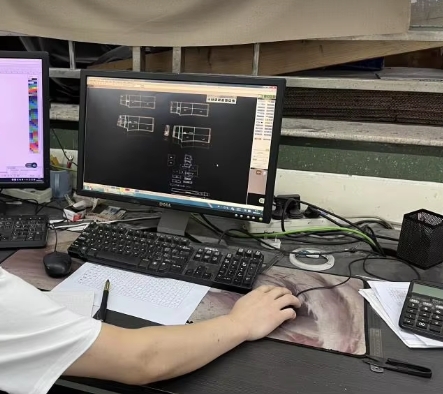
Pattern Making & Fit Development for Jeans
Pattern making and fit development are at the core of jeans manufacturing. While fabric and washing define how denim looks and feels, the pattern determines how the garment sits on the body, how it moves, and how consistent it remains across sizes.
From a factory perspective, good fit is not achieved by one perfect pattern. It is the result of structured development, controlled revisions, and close alignment between pattern, fabric behavior, and washing processes.
Below is an overview of how we approach pattern making and fit development in jeans production.
Jeans Pattern Development Process
Jeans pattern development usually starts from a base pattern. This base is not a universal template, but a reference built on previous production experience, target market, and intended fit style.
During early development, we review the brand’s design intent, reference samples, and size range. Key points such as rise length, hip balance, leg shape, and waist positioning are discussed before drafting begins.
The first pattern is created with fabric behavior in mind. Denim weight, stretch level, and expected washing effects are considered at this stage. A pattern that works for rigid denim may not perform the same way in stretch fabric, even if the silhouette looks similar.
After the initial pattern is completed, a sample garment is produced for fitting. This sample allows us to evaluate how the pattern translates from paper to fabric, and how the jeans behave when worn.
Pattern development is an iterative process. Adjustments are expected and necessary, especially when developing new fits or working with unfamiliar fabric constructions.
Fit Adjustment & Revision Workflow
Fit adjustment is a structured workflow, not a series of random changes. Each revision is based on specific observations made during fitting.
During fitting reviews, we focus on key areas such as waist fit, hip balance, thigh comfort, knee position, and leg opening. These areas are evaluated both visually and through wear testing.
When adjustments are needed, changes are made systematically. For example, correcting tightness at the thigh requires different pattern changes than correcting pulling at the back rise. Understanding cause and effect is critical to avoid over-correction.
After adjustments are applied, a new sample is produced and reviewed again. This cycle may repeat several times, depending on the complexity of the fit and the level of precision required by the brand.
For bulk production, final patterns are locked only after fit stability is confirmed. This helps reduce risk during grading and ensures consistency across sizes.
Plus Size Pattern Capability
Plus size jeans require a different approach from simply scaling up standard sizes. Body proportions change across size ranges, and patterns must account for these differences.
From a manufacturing standpoint, plus size pattern development involves rebalancing key measurements such as waist-to-hip ratio, rise length, and thigh volume. Fabric support and stretch behavior also play a more critical role.
We develop plus size patterns using size-specific logic rather than linear grading alone. This helps improve comfort and reduces common issues such as waistband gaping, tight thighs, or excessive fabric pulling.
Fitting for plus size jeans often requires additional sampling rounds. Real wear testing is especially important to evaluate movement, seating comfort, and long-term wear behavior.
Our goal in plus size pattern development is to create jeans that maintain intended shape and fit while providing realistic comfort for the wearer.
Differences in Men’s and Women’s Fit
Men’s and women’s jeans differ significantly in pattern structure, even when the silhouette appears similar.
Women’s patterns generally require more shaping through the hip and waist, with greater attention to rise curvature and waist placement. Small changes in these areas can have a noticeable impact on comfort and appearance.
Men’s patterns often prioritize straight balance and mobility, with different grading logic across sizes. Fabric stretch and weight selection also affect how men’s jeans are patterned and fitted.
From a factory perspective, understanding these differences is essential. Applying the same pattern logic across men’s and women’s styles can lead to poor fit and higher revision rates.
During development, we evaluate men’s and women’s fits separately, ensuring that pattern decisions align with the intended wearer and usage scenarios.
Integrating Pattern, Fabric, and Washing
Pattern making does not exist in isolation. Fabric choice and washing processes directly influence how a pattern performs in production.
Shrinkage, stretch recovery, and fabric distortion during washing must be anticipated during pattern development. This is why pattern, fabric testing, and wash trials are closely connected in our workflow.
By addressing these factors early, we reduce the risk of fit inconsistency during bulk production.
Fit Development for Production Consistency
The final goal of pattern making and fit development is production stability. A well-developed pattern allows for efficient cutting, accurate grading, and consistent garment output.
From a factory perspective, fit development is not about achieving perfection in one sample. It is about ensuring that the approved fit can be reproduced reliably at scale.
Clear communication between the brand and the manufacturing team is essential throughout this process. Shared understanding of fit priorities helps streamline development and avoid unnecessary revisions.
A Practical Approach to Fit Development
There is no single formula for perfect fit. Each brand, market, and style presents different challenges.
Our approach to pattern making and fit development focuses on realistic solutions that align design intent with manufacturing constraints. This helps brands move from sampling to bulk production with confidence.
Fit is a process, not a promise. When managed carefully, it becomes a strong foundation for long-term product consistency.
Why Pattern Making & Fit Capability Drives Repeat Orders
For most brands, the first order is about testing.
Repeat orders happen only when fit becomes predictable.
In denim manufacturing, fit issues rarely come from one single mistake. They usually come from small inconsistencies: how a pattern was interpreted, how a fit comment was applied, or how a revision was transferred from one sample to the next.
A factory with stable pattern-making capability does not aim to “get it perfect” on the first sample. The real value is in how fit decisions are recorded, adjusted, and repeated across development stages.
When pattern logic is clear, brands benefit in several ways.
First, sample revisions become more efficient.
Fit comments are not treated as isolated changes, but as part of a pattern system. Adjusting a rise, thigh, or hip curve does not break the balance of the garment. This reduces back-and-forth during sampling and shortens development time.
Second, size consistency improves as styles repeat.
Once a brand’s fit standard is established, future styles can be developed on the same pattern logic. This is especially important for core fits and carry-over styles. Buyers and end customers experience fewer surprises between seasons.
Third, production risk is lower.
Patterns that have gone through controlled fitting and revision are easier to reproduce during bulk production. Measurement tolerance, shrinkage after washing, and grading behavior are already understood before cutting starts.
For brands working remotely, this matters even more.
When designers and buyers are not present in the factory, they rely on pattern accuracy and clear communication. A well-managed fit process reduces uncertainty and avoids last-minute corrections at the production stage.
Over time, brands tend to stay with factories that remember their fit—not just their style.
When a factory understands how a brand defines comfort, proportion, and target body shape, development becomes smoother with each season.
This is why pattern making and fit development are not just technical steps in denim manufacturing. They are the foundation of long-term collaboration.


