If you are running an independent denim brand, you probably spend a lot of time worrying about being “too late” to a trend. One week TikTok says skinny jeans are dead; the next week, everyone is wearing barrel legs that look like literal balloons.
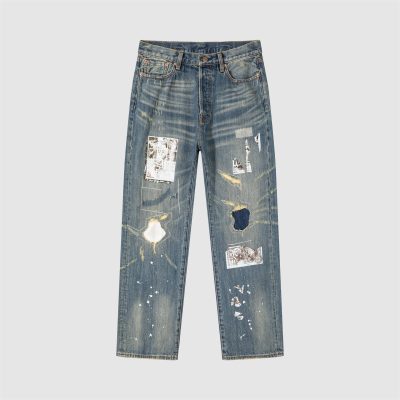
But if you look at the sales data of the most successful premium denim brands, there is one fit that quietly does the heavy lifting while the “viral” fits get all the noise: Straight Jeans.
As a manufacturer, I can tell you that if your core collection doesn’t have a solid straight fit, you are leaving money on the table. It isn’t the most “exciting” fit, but it is the most profitable. Here is the unvarnished truth about why straight denim is your brand’s best insurance policy.
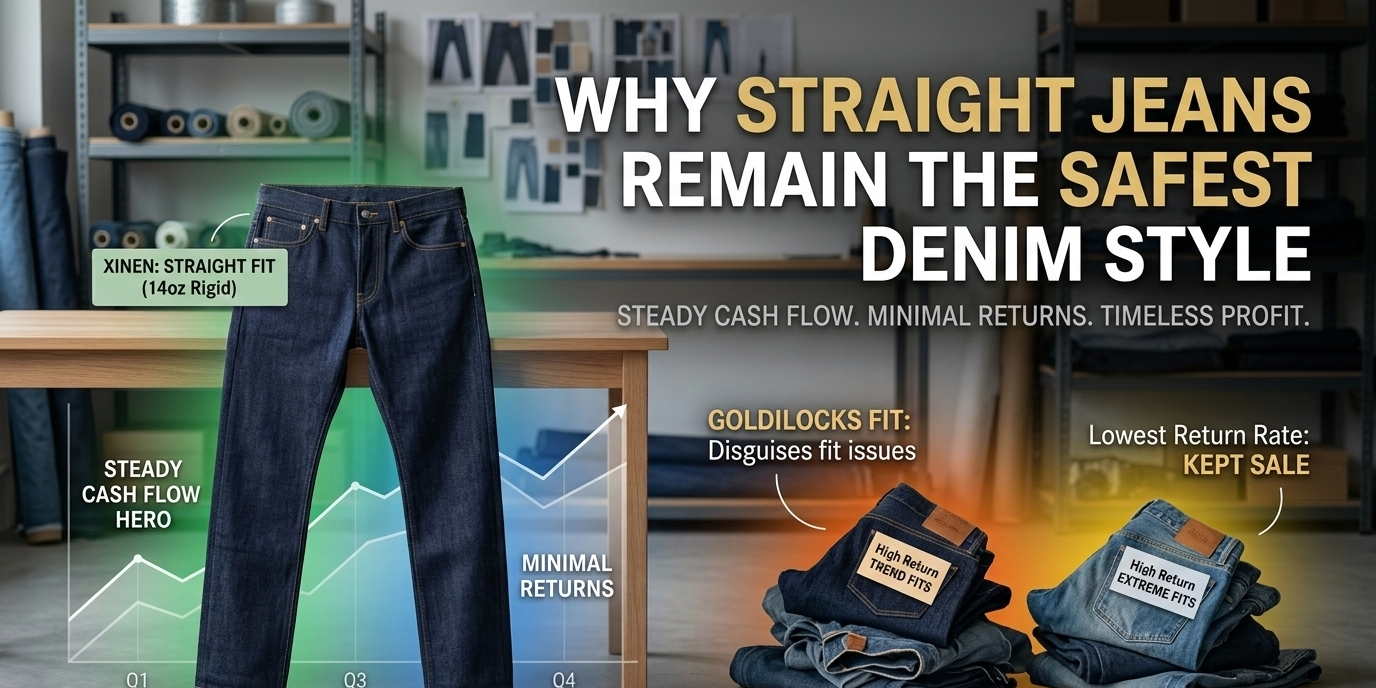
Why do straight jeans have the lowest return rates?
Returns are the silent killer of apparel brand profit margins. In the Western market, the biggest reason for returns is a “poor fit” in the thighs or calves.
Skinny jeans require the fabric to wrap perfectly around every curve—if the customer’s calves are slightly larger than your sample, the jeans won’t fit. Wide-leg jeans are the opposite; if the length or the hip volume is even 2cm off, the customer looks “drowned” in fabric.
The straight-leg denim silhouette is the “Goldilocks” of fits. Because the leg falls vertically from the hip, it doesn’t fight the customer’s body shape. It disguises small fit issues rather than highlighting them. For you, this means fewer “it doesn’t fit right” emails and more kept sales.
Is the production process easier for straight-cut denim?
From a premium denim manufacturing standpoint, “simple” is often better.
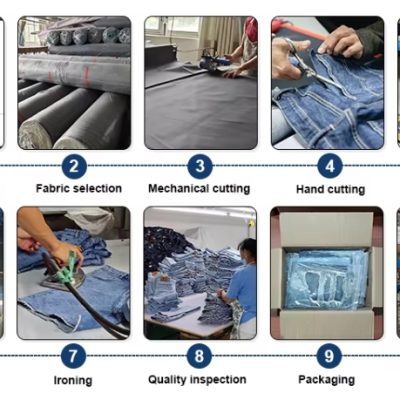
When we do straight leg jeans pattern making, we are dealing with cleaner lines. This reduces the margin of error during the cutting and sewing stages. Unlike flares or tapered fits, where the grainline of the fabric can easily get “off-center” (causing the leg to twist), straight jeans are structurally stable.
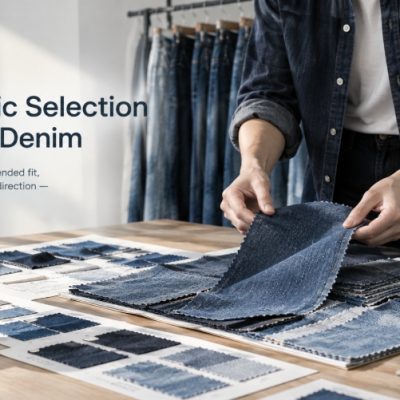
Also, straight jeans are fabric-neutral. They look great in high-density rigid denim (100% cotton) for that heritage look, but they also work perfectly in “comfort stretch” fabrics. This versatility allows you to use one proven pattern for multiple different fabric drops, saving you thousands in development costs.
Can a “classic” fit really appeal to all age groups?
Trends usually divide your audience. A 19-year-old in London might love a super-baggy puddle jean, but a 40-year-old professional in Copenhagen probably won’t.
The straight fit is the only silhouette that bridges this gap.
- For the younger demographic: They style it “oversized” or “low-slung” for a 90s vintage vibe.
- For the mature demographic: They wear it true-to-size for a clean, sophisticated look.
By focusing on timeless denim silhouettes, you aren’t just selling a piece of clothing; you are selling a “wardrobe staple.” This increases your inventory turnover rate because your stock doesn’t have an “expiration date.” A straight jean that doesn’t sell in the Spring will still be perfectly trendy in the Fall.
What makes the straight fit a “cash flow hero” for startups?
Most independent denim startups fail because they tie up too much cash in “experimental” styles that don’t move.
Straight jeans are your “liquid” assets. If you are doing low MOQ denim production (like our 300-piece runs), starting with a straight fit is the safest way to test your brand’s market fit. It is much easier to find 300 people who need a reliable, high-quality straight jean than it is to find 300 people who want a very specific, niche fashion trend.
Think of your straight fit as your “rent money”—it covers your overheads so you have the freedom to experiment with 20% of your collection on riskier, trendier designs.
FAQ: The Reality of the Straight Fit
Does “Straight” mean the leg is a literal rectangle?
Actually, no. A perfectly rectangular leg often looks like it’s flaring out at the bottom. To get a “premium” look, most brands use a slight taper (maybe 0.5cm) from the knee down. It still looks straight to the eye, but it follows the leg’s natural shape much better.
What is the best fabric weight for a straight jean?
For the Western denim market, we usually recommend 12oz to 14oz. Anything lighter than 11oz tends to look “cheap” in a straight cut because the fabric doesn’t have enough weight to hang straight; it starts to wrinkle and “collapse” around the ankles.
Is there a “most popular” inseam length for straight jeans?
This depends on your market. For the Nordic market, longer inseams (32″ or 34″) are standard. For a global “cropped” look, a 28″ or 30″ is common. However, because it’s a straight fit, it is very easy (and cheap) for your customers to have them hemmed at a local tailor, which isn’t always possible with flared or tapered styles.
Should I use a zip or button fly?
For a “premium” feel, a button fly is usually preferred in straight, rigid styles. It adds a bit of bulk and “heft” to the front of the jean that feels authentic. For comfort-stretch versions, a high-quality YKK zipper is more practical.