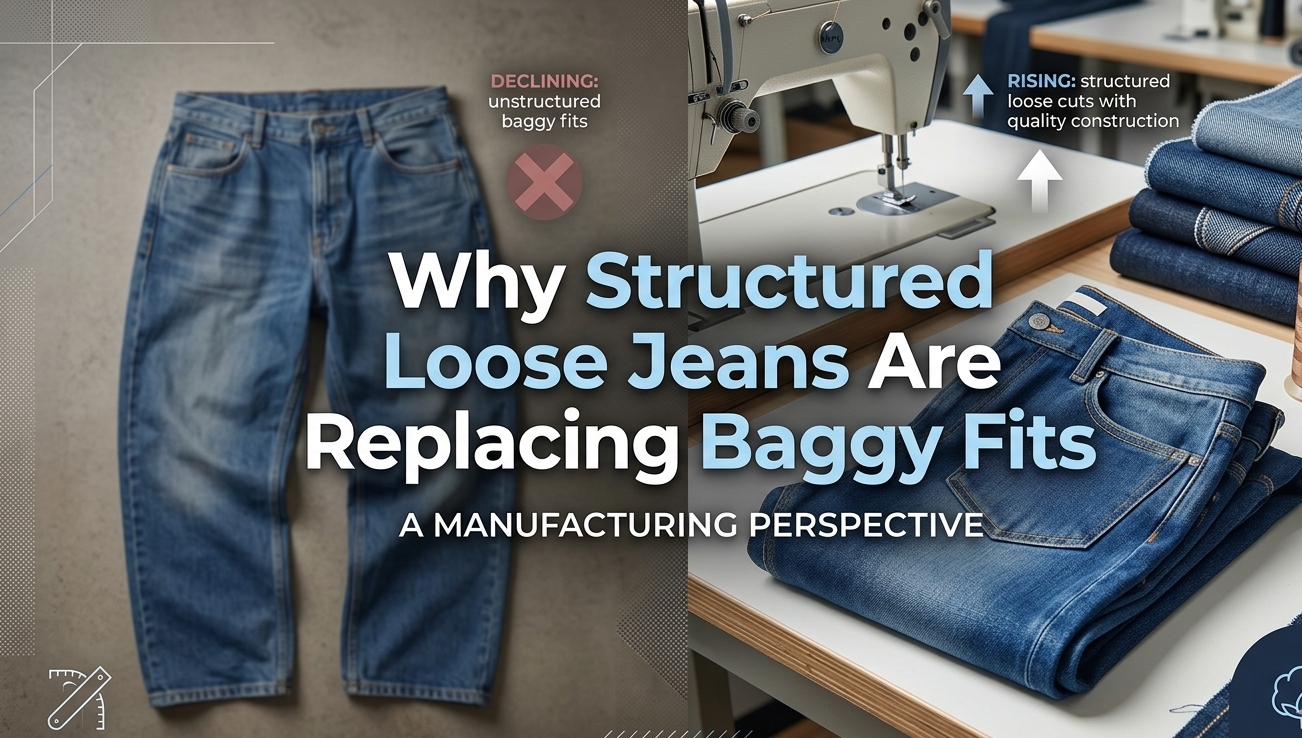
Over the past few years, the Y2K-inspired “ultra-baggy” denim trend dominated fast fashion. However, as we move through 2026, market data and wholesale orders reveal a significant shift: brands are pivoting away from unstructured baggy fits in favor of Structured Loose Jeans (often called tailored wide-leg).
For fashion importers, private labels, and e-commerce sellers, this is not just a change in aesthetics—it is a critical update to product development that directly impacts your return rates, fabric sourcing, and profit margins.
At Xinen Garment, we engineer custom denim for global brands. Here is the factory-floor reality of why structured loose jeans are taking over, and how your brand should adapt its Tech Packs.
What is the Difference Between “Baggy” and “Structured Loose” Jeans?
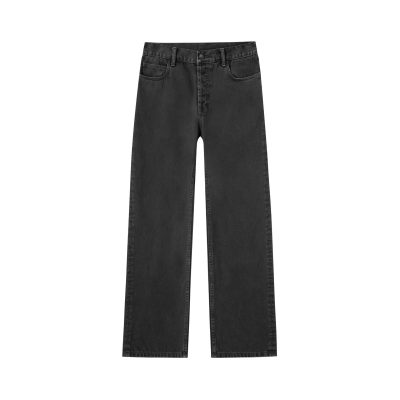
The core difference lies in the pattern grading and the fabric’s drape. “Baggy” jeans often rely on simply enlarging the overall garment, resulting in an unstructured waist and a puddling hem. “Structured Loose” jeans are engineered to fit perfectly at the waist and seat, while expanding into a wide, architectural straight leg that holds its shape.
- The Baggy Silhouette: Often looks slouchy and careless. The fabric bunches at the ankles, and the waist often requires a belt to stay up. It is highly trend-driven and primarily appeals to the Gen Z / skater demographic.
- The Structured Loose Silhouette: Looks intentional and premium. The waist and high-hip measurements are tailored closely to the body. The leg drops in a clean, straight vertical line from the thigh to the shoe, without excessive puddling.
Why Are Baggy Jeans Losing Momentum in E-Commerce?
Baggy jeans are losing e-commerce momentum because their unpredictable sizing and unstructured fit lead to notoriously high customer return rates.
For Amazon FBA and Shopify sellers, high return rates kill profitability.
- Sizing Confusion: Customers frequently do not know whether to buy their true size or size down when ordering baggy jeans, leading to bracket buying (ordering two sizes and returning one).
- Hem Destruction: Baggy jeans are designed to drag on the floor. For everyday consumers, this leads to rapid heel-drag damage, causing dissatisfaction and quality complaints.
- Limited Demographic: The sloppy nature of ultra-baggy denim alienates millennial and older consumers who have higher purchasing power. Structured loose jeans bridge this gap, offering comfort without sacrificing a polished look.
What is the Technical Secret to Manufacturing Structured Loose Jeans?
The technical secret to manufacturing a structured loose jean is combining highly precise hip-grading in the CAD pattern with heavy-weight, 100% rigid cotton denim.
You cannot manufacture a premium structured jean using thin, stretchy fabric. If you try, the wide leg will collapse and cling awkwardly to the body.
- Fabric Weight: You must select a heavy rigid denim, typically 12oz to 14oz. The weight of the 100% cotton is what creates the “architectural” drape, forcing the leg to fall straight down in a clean column.
- Pattern Engineering (The Block): The factory pattern maker must draft a strict “anti-fit” block. The front and back rise must be tailored closely, but the thigh measurement must expand immediately below the crotch point. This requires a much higher level of technical pattern-making skill than simply grading a standard jean up by two sizes.
Why Should Brands Pivot to Structured Loose Fits?
Brands should pivot to structured loose jeans because this silhouette appeals to a much broader age demographic and commands a significantly higher retail price point due to its premium, tailored appearance.
- Broader Market Appeal: A tailored wide-leg jean can be styled with sneakers for streetwear, or with boots and a blazer for smart-casual wear. This versatility dramatically increases your target audience.
- Lower Return Rates: Because the waist and seat fit true-to-size, customers experience far less sizing confusion, directly reducing your e-commerce return rates and protecting your margins.
Why Choose Xinen Garment for Your Custom Denim Production?
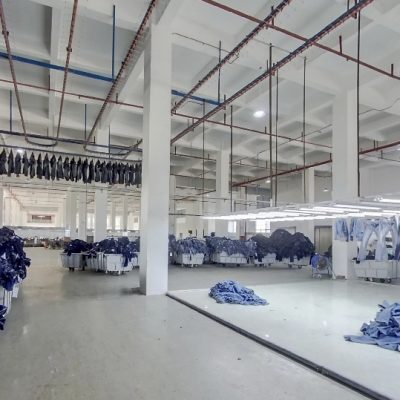
At Xinen Garment, we do not just sew fabrics together; we provide technical manufacturing solutions for apparel importers, Amazon brands, and wholesalers. We understand the precise engineering required to nail the structured loose fit.
- Expert Pattern Drafting: Our in-house CAD team has perfected the “tailored wide-leg” block. We ensure your jeans fit flawlessly at the waist while delivering the exact wide-leg drape your Tech Pack demands.
- Premium Fabric Sourcing: We have direct access to heavy-weight (12oz-14oz) rigid cotton and premium ring-spun denim that is essential for giving structured jeans their architectural shape.
- Startup-Friendly MOQs: We support brands in testing this new silhouette with realistic Minimum Order Quantities (starting at 100-300 pieces per style/wash).
- E-Commerce Ready: We handle everything from bulk production and consistent vintage washing to Amazon-compliant poly-bagging and barcoding.
Frequently Asked Questions (FAQ)
Q: Can I use stretch denim for structured loose jeans?
A: It is highly discouraged. Stretch denim (containing Spandex/Elastane) lacks the necessary rigidity. The fabric will collapse and fold, losing the clean, wide-leg column effect. Always use 100% rigid cotton for this style.
Q: Will structured loose jeans cost more to manufacture?
A: Slightly, yes. Because they require heavy-weight fabric (12oz-14oz) and wider leg panels, the fabric consumption (yield) per garment is higher than a standard straight or slim fit. However, they also retail for a higher price.
Q: How do I communicate the structured loose fit in my Tech Pack?
A: Clearly specify: “Fitted at waist and seat, dropping to a wide straight leg.” Most importantly, provide precise measurements for the High Hip, Low Hip, Thigh, and Leg Opening, rather than just waist and inseam.
Q: Are baggy jeans completely out of market?
A: No, ultra-baggy styles will remain a niche category within pure streetwear and skate brands. However, for mainstream fashion, casual wear, and broad e-commerce appeal, the structured loose fit is taking over the market share.