Men’s denim shorts—let’s just call them jorts—are everywhere in streetwear right now. From baggy, oversized fits to heavily distressed vintage washes, more emerging brands are dropping denim shorts instead of jumping straight into full jeans.
Why? Because they are cheaper to develop, easier to fit, and still carry a ton of brand identity.
But if you want to launch a denim line that actually sells, who you choose to manufacture it will make or break your drop. Here is a realistic look at how custom denim shorts production works, what you need to prepare, and how to avoid the mistakes that sink most startups.
Why Should New Streetwear Brands Start With Denim Shorts?
Compared to full-length jeans, shorts are just a lot more forgiving. They offer:
- Lower development costs: Less fabric and fewer technical sewing steps.
- Faster production times: Less complexity means quicker turnaround.
- Lower MOQs: Factories are often more willing to do smaller runs on shorts.
- Simpler sizing: You don’t have to worry about multiple inseam lengths for different heights.
For many startups, jorts act as a proof-of-concept. Streetwear brands love them because you can experiment heavily with the silhouette—like knee-length baggy cuts or aggressive washes—without taking on the financial risk of a full denim collection.
What Are the Most Popular Denim Short Styles Right Now?
You have to make what people are actually buying. Heading into 2025 and 2026, the market is heavily leaning into these three styles:
- Baggy and Oversized: The Y2K influence isn’t going anywhere. Think long inseams, dropped crotches, and wide leg openings.
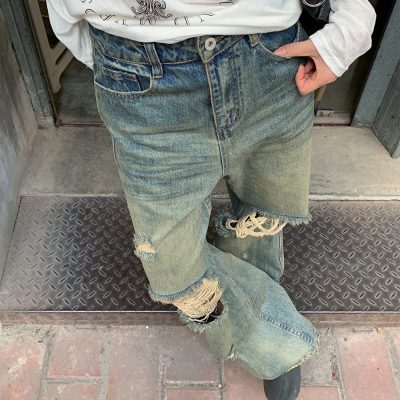
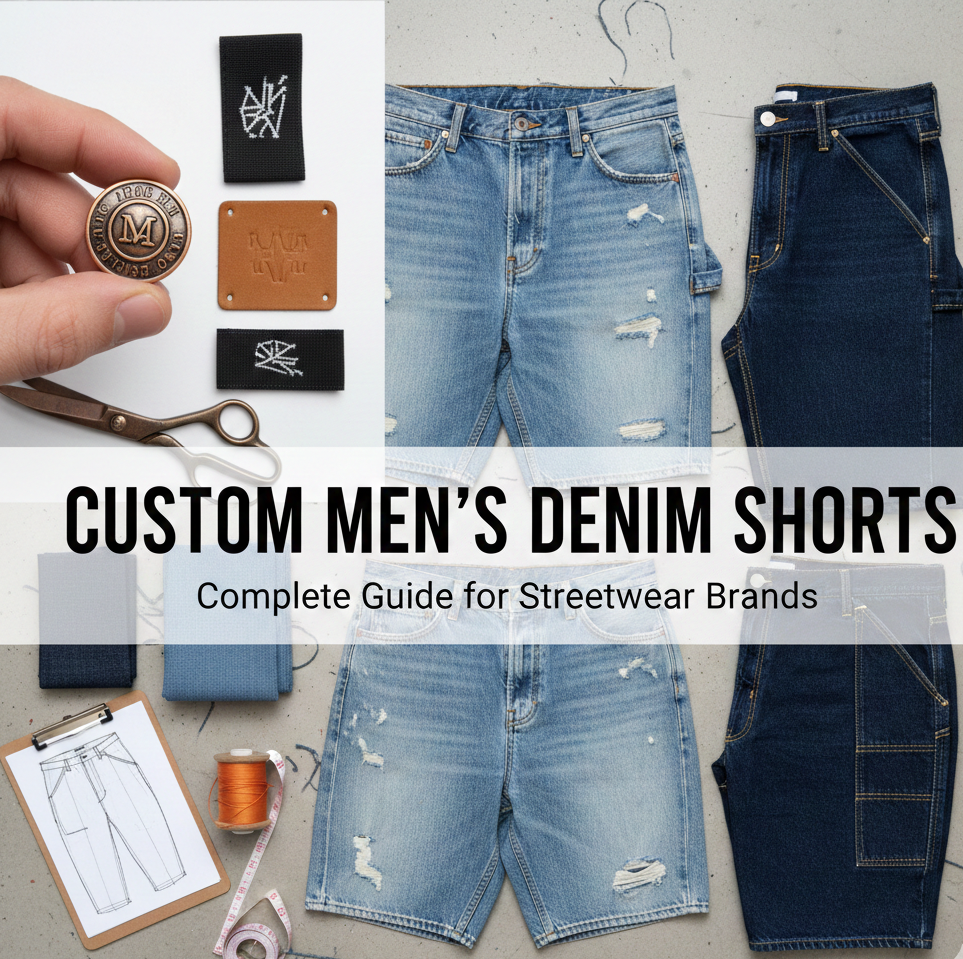
- Vintage Wash and Distressed: Heavy fading, rust spots, and destroyed details that make a brand-new pair look like a thrift store find.
- Carpenter and Utility: Workwear details are huge. Hammer loops, oversized patch pockets, and heavy contrast stitching are major selling points.
What Does a Custom Denim Shorts Manufacturer Actually Do?
A good manufacturer does a lot more than just run a sewing machine. Denim is highly technical. A full-service factory handles:
- Sourcing the raw denim fabric
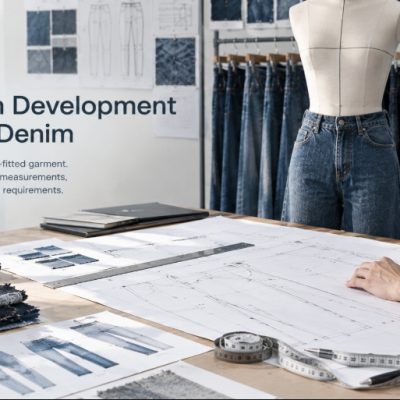
- Pattern making and fit adjustments
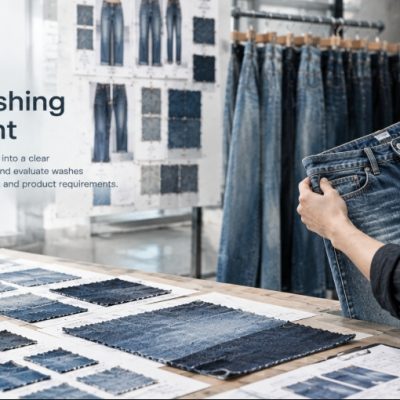
- Developing the “wash recipe” (this is the hardest and most important part)
- Sourcing custom hardware (buttons, zippers, rivets)
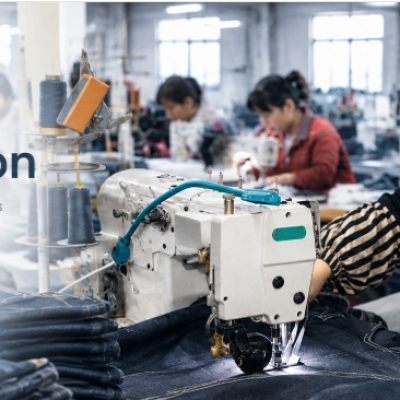
- Bulk production and quality control
- Final packing and shipping
Working with a factory that actually specializes in denim saves you from expensive beginner mistakes.
Should You Choose Private Label or Fully Custom (OEM)?
Many new brands get stuck here. Let’s break down the reality of both:
- Private Label (White Label): You pick a blank style the factory already makes. You change the wash, swap the buttons, and sew your logo onto it. It’s fast, cheap, and has low minimums.
- Fully Custom (OEM): You build it entirely from scratch. You dictate the exact fit block, fabric weight, and every tiny detail. It builds a much stronger brand identity, but it takes more time, requires a bigger budget, and comes with higher minimums.
Realistically, most growing streetwear brands land somewhere in the middle—customizing a few key details while leaning on the factory’s existing expertise.
How Do You Choose the Right Fabric for Jorts?
Fabric dictates both the look of the shorts and your profit margins. Your main choices are:
- 100% Cotton Denim: The gold standard for an authentic, rigid streetwear look. Very durable and takes heavy washes well.
- Stretch Denim: More comfortable for the wearer, but it often lacks that premium, heavy drape that streetwear brands want.
- Lightweight Denim: Great for hot climates and mid-summer drops.
Usually, you want your shorts to fall between 9 oz and 13 oz. Heavier denim feels premium, but it increases your fabric costs and is harder for the factory to sew.
What Kind of Minimum Order Quantities (MOQs) Can You Expect?
MOQs depend entirely on how custom you want to get. As a general rule:
- Private label: 100–150 pieces per style.
- Semi-custom: 150–200 pieces.
- Fully custom: 150+ pieces.
Some factories will offer very low MOQs for startups, but be prepared for a reality check: producing 50 pairs of custom denim is going to make your unit price skyrocket.
How Much Does It Actually Cost to Manufacture Denim Shorts?
There is no flat rate. Your final cost is heavily dictated by:
- Fabric weight and quality
- How complicated your wash is (lasers and hand-sanding cost money)
- Custom hardware and labels
- Total order volume
Generally, shorts cost less than jeans because they use less yardage. But if you demand a highly complex, heavy vintage wash with extreme distressing, your shorts might end up costing just as much as a pair of pants.
How Can You Brand Your Denim Shorts?
The small details are what allow you to charge premium streetwear prices. Good factories can help you customize:
- Woven labels and heavy leather back-patches
- Custom-engraved metal buttons and rivets
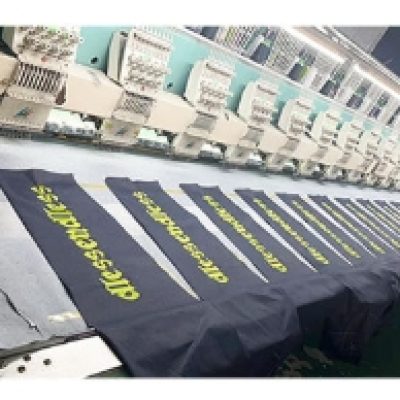
- Embroidered logos or screen printing
- Custom hangtags and polybags
How Does the Sampling Process Work?
Expect a proper sample to take 2 to 4 weeks. To get it right on the first try, you need to hand the factory:
- A detailed Tech Pack or a physical reference sample you want them to copy
- A clear measurement chart
- High-quality photos of the exact wash you want
- Your vector logo files
- Your target price
Vague instructions lead to bad samples. Clear communication saves you weeks of delays.
What Are the Most Common Mistakes Brands Make?
Startups mess up denim production all the time. The most common pitfalls include:
- Having unrealistic price targets: Good denim washes require skilled labor; it isn’t dirt cheap.
- Ignoring fabric shrinkage: Denim shrinks significantly after washing. If you don’t account for this in your patterns, your bulk order won’t fit anyone.
- Overcomplicating the design: Trying to add 15 different details to your very first product usually results in a messy sample.
- Using the wrong factory: Using a factory that mostly makes jersey t-shirts to sew heavy denim is a recipe for disaster.
How Do You Find a Manufacturer You Can Actually Trust?
Don’t just look for the lowest price. Evaluate a factory based on:
- Denim specialization: Do they actually make jeans, or are they just a general garment factory?
- Wash capabilities: Can they replicate complex vintage fades?
- Transparency: A good factory tells you when an idea won’t work or is too expensive. They don’t just say “yes” to get your deposit.
Why Not Just Start With Full Jeans?
From a business perspective, shorts are safer. They require less upfront cash, allow you to test your market faster, and are easier to manage in inventory. Once your customers buy and love your shorts, dropping a full denim jean collection next season becomes a much easier sell.
Frequently Asked Questions (FAQ)
How long does bulk production actually take for denim shorts?
Once you officially approve the final sample, expect bulk production to take anywhere from15 to 25 days. This timeline depends heavily on the complexity of your wash and the factory’s current schedule. Always pad your timeline by a couple of weeks to account for shipping and customs delays.
Do I need to buy the denim fabric myself, or does the factory handle it?
If you are working with a full-package (OEM) manufacturer, they will source the fabric for you. You provide the target weight (e.g., 12 oz) and composition (e.g., 100% cotton), and the factory will send you fabric swatches to approve before they cut anything.
Can I get a sample before committing to a massive bulk order?
Yes, and you absolutely should. Never sign a contract for bulk production without holding a physical, washed, and finished sample in your hands. Expect to pay a premium fee for this sample (usually 2x to 3x the bulk unit price), but most good factories will deduct that sample fee from your final invoice once you place the bulk order.
Why are my vintage-wash shorts quoting so much higher than raw denim?
Raw denim essentially goes straight from the cutting table to the sewing machine to the bag. Vintage fades require multiple extra steps: hand-sanding, stone washing, enzyme treatments, or laser finishing. You are paying for the extra time, water, chemicals, and skilled labor required to make the shorts look naturally worn-in.
What is a Tech Pack, and do I really need one?
A Tech Pack is the blueprint for your garment. It includes flat sketches, exact measurements, hardware placements, and wash references. Yes, you need one. If you just send a factory a picture from Instagram and say “make this,” you are guaranteeing a bad sample.