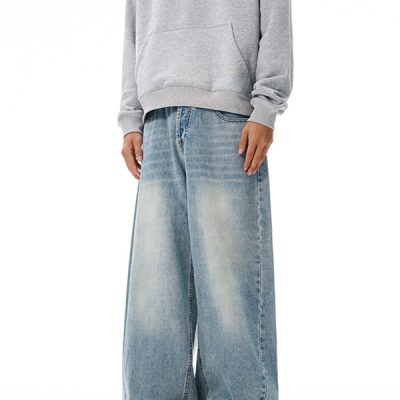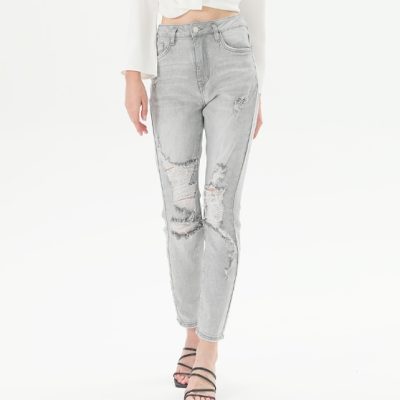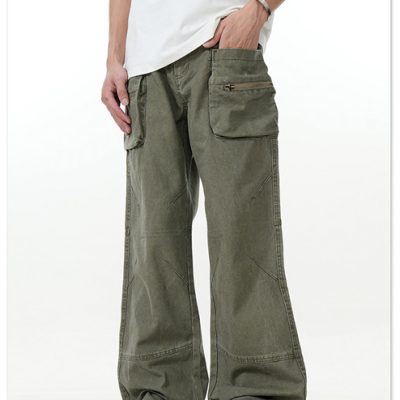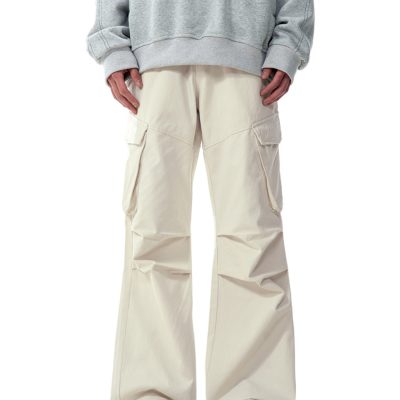
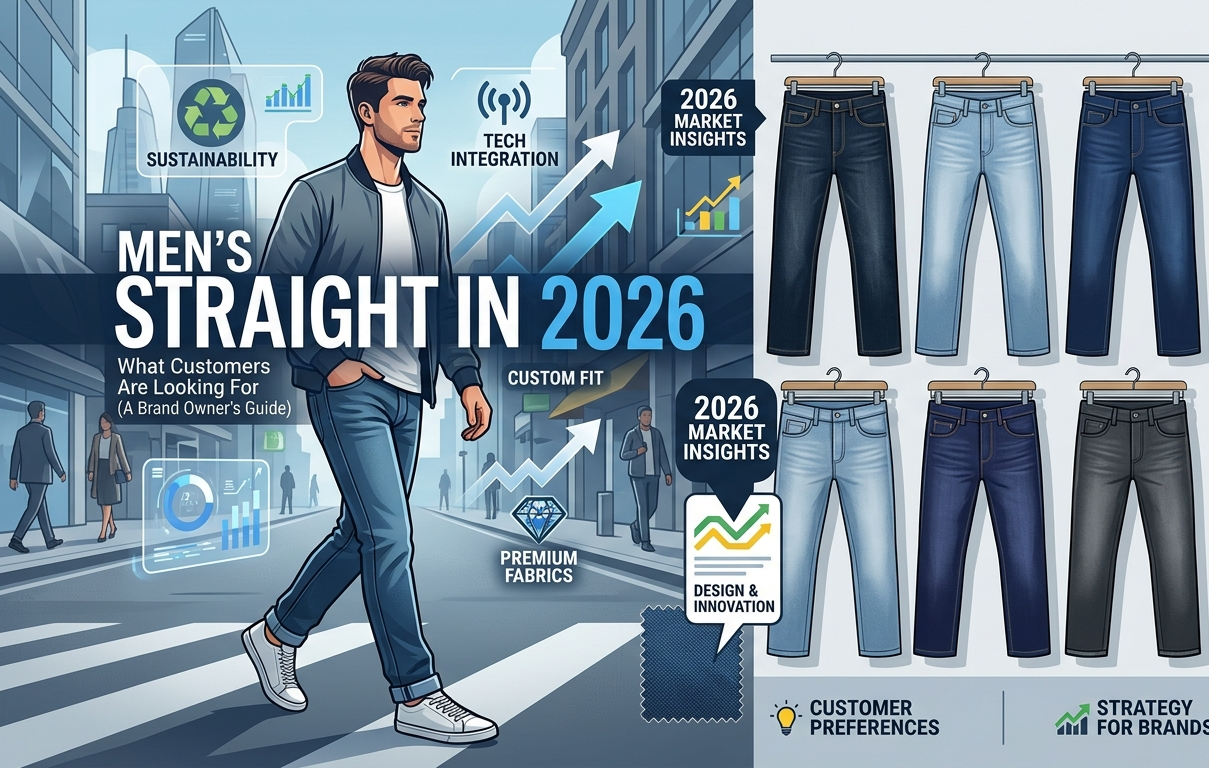
If you are preparing to launch a men’s denim brand or update your core collection for 2026, consumer expectations have fundamentally changed. Today’s retail buyers are highly educated on garment construction. They no longer buy a “Straight Fit” based solely on a logo; they inspect the fabric weight, the wash authenticity, and the drape.
For independent clothing brands and e-commerce sellers, marketing your straight-leg jeans requires explaining the engineering behind the garment. At Xinen Garment, we manufacture custom denim for global private labels. Here is the factory-floor data on what male consumers are actually looking for in 2026, and how you can effectively communicate these selling points to your customers.
1. Consumers Want “Structured Drape” (Fabric Weight)
The Consumer Trend: Shoppers in 2026 are rejecting thin, highly elastic fast-fashion denim that clings to the leg and loses its shape after two washes. They are looking for a straight leg that falls in a clean, vertical line.
How to Explain It to Your Customers: When marketing your jeans, highlight the fabric weight. Explain that your brand utilizes 12oz to 14oz heavyweight cotton (or a minimal 1% stretch blend) intentionally. Communicate that this heavier weight is not about stiffness, but about creating an “architectural drape.” A proper 13oz fabric guarantees the straight silhouette remains structured from the knee to the shoe, ensuring the garment looks premium and lasts for years.
2. The Shift to “Authentic Vintage” Washes
The Consumer Trend: The era of aggressive, artificial distressing—with large knee blowouts and heavy bleach stains—is declining. The 2026 consumer prefers an “Authentic Vintage” aesthetic: subtle whiskering, soft color gradients, and a naturally worn-in feel.
How to Explain It to Your Customers: Shift your marketing language from “distressed” to “naturally aged.” Explain that your jeans undergo a controlled enzyme wash process. This technique softens the mid-weight denim and replicates the natural fading of a 5-year-old jean without compromising the structural integrity of the cotton fibers. Your customers are buying immediate comfort that does not sacrifice durability.
3. Anti-Twist Engineering and Sizing Consistency
The Consumer Trend: A major pain point for men buying straight-leg jeans online is “leg twist”—where the outer side seam wraps around to the front of the shin after the first home wash.
How to Explain It to Your Customers: Market your brand’s technical precision. Explain that your jeans feature mathematically balanced CAD patterns. Because denim twill naturally shifts during industrial wet processing, your manufacturer actively calculates the wash-shrinkage rate before cutting the fabric. You can assure your customers that the side seams will remain perfectly vertical, and a Size 32 will consistently fit like a Size 32.
4. Custom Hardware as a Sign of Quality
The Consumer Trend: Premium consumers look for subtle indicators of quality to justify a higher retail price, specifically focusing on the zippers, rivets, and shank buttons.
How to Explain It to Your Customers: Do not ignore the hardware in your product descriptions. Specify that your straight jeans feature custom-molded copper rivets and heavy-duty YKK zippers. Explain that reinforcing the stress points (like the front pockets and crotch seam) with industrial bar-tacks and premium metal hardware prevents blowouts during daily wear.
Why Build Your Brand with Xinen Garment?
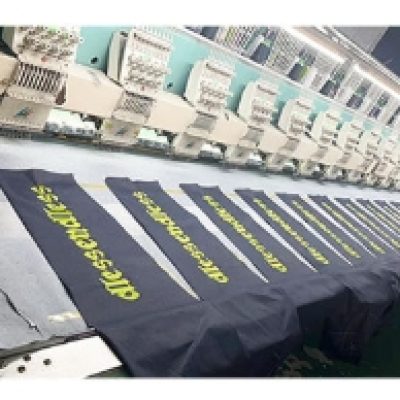
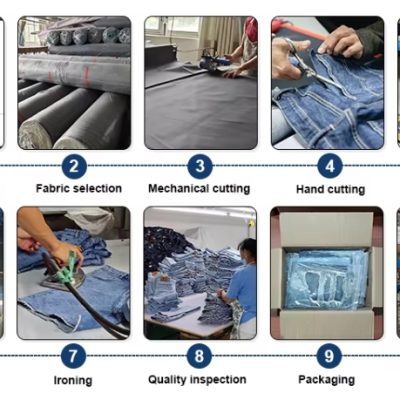
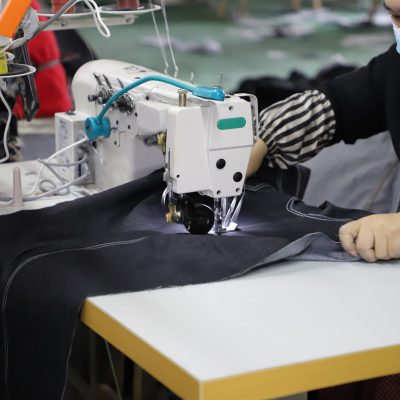
Executing these consumer demands requires a supply chain that understands precise fit engineering and high-end material sourcing. Operating from the manufacturing hub of China, Xinen Garment provides end-to-end production for global B2B clients.
- Integrated Sourcing: Our dedicated HSY Sourcing team procures the exact fabric weights and custom metal hardware required for your Tech Pack, ensuring your Bill of Materials (BOM) is cost-effective without sacrificing quality.
- Precision Wash Lab: We operate in-house wet processing, allowing us to hit the exact “Authentic Vintage” enzyme washes that the 2026 market demands, with 100% consistency across bulk batches.
- Startup-Friendly Scaling: We support independent labels with highly practical Minimum Order Quantities (typically 100 to 300 pieces per style).
- Retail-Ready Fulfillment: From attaching custom leather patches to applying strict moisture-control packaging and FNSKU barcoding, your inventory leaves our facility ready for immediate e-commerce distribution.
Frequently Asked Questions (FAQ)
Q: Should my brand offer 100% rigid cotton for a straight fit?
A: Yes. Rigid cotton (12oz+) is the gold standard for a true straight fit because it holds the vertical shape. If your target audience prioritizes immediate mobility over heritage aesthetics, a 99% cotton / 1% elastane blend is the best commercial compromise.
Q: How do I prove the quality of the wash to my online customers?
A: Use high-resolution macro photography focusing on the seams and hems. High-quality enzyme washes will show a distinct “roping” effect on the hem stitching, which denim enthusiasts recognize as a mark of premium manufacturing.
Q: How long does it take to manufacture a custom straight-leg collection?
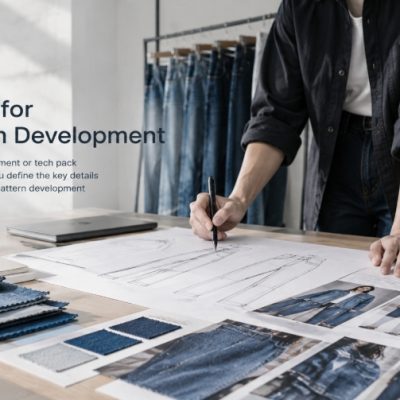
A: Developing the initial Fit Sample typically takes 10 to 15 days. Once you approve the Pre-Production (PP) sample, bulk manufacturing requires 30 to 45 days.
Q: Can Xinen Garment handle large wholesale orders?
A: Yes. While we support emerging brands with MOQs of 100 units, our Foshan facility possesses the industrial capacity to scale up to tens of thousands of units for international importers.