In the world of professional denim manufacturing, “weight” is the most critical technical specification in your Tech Pack. While consumers focus on color and style, B2B buyers—importers, wholesalers, and e-commerce sellers—must focus on the “Oz” (Ounces per square yard). Choosing the wrong denim weight can lead to poor fit drape, excessive fabric shrinkage during industrial washing, or a product that is unwearable for its intended season.
At Xinen Garment, we engineer custom denim for brands targeting diverse global markets. Here is the factory-floor reality of how to select the correct denim weight based on seasonal utility and garment silhouette.
What Does “Oz” Actually Mean in Denim Production?
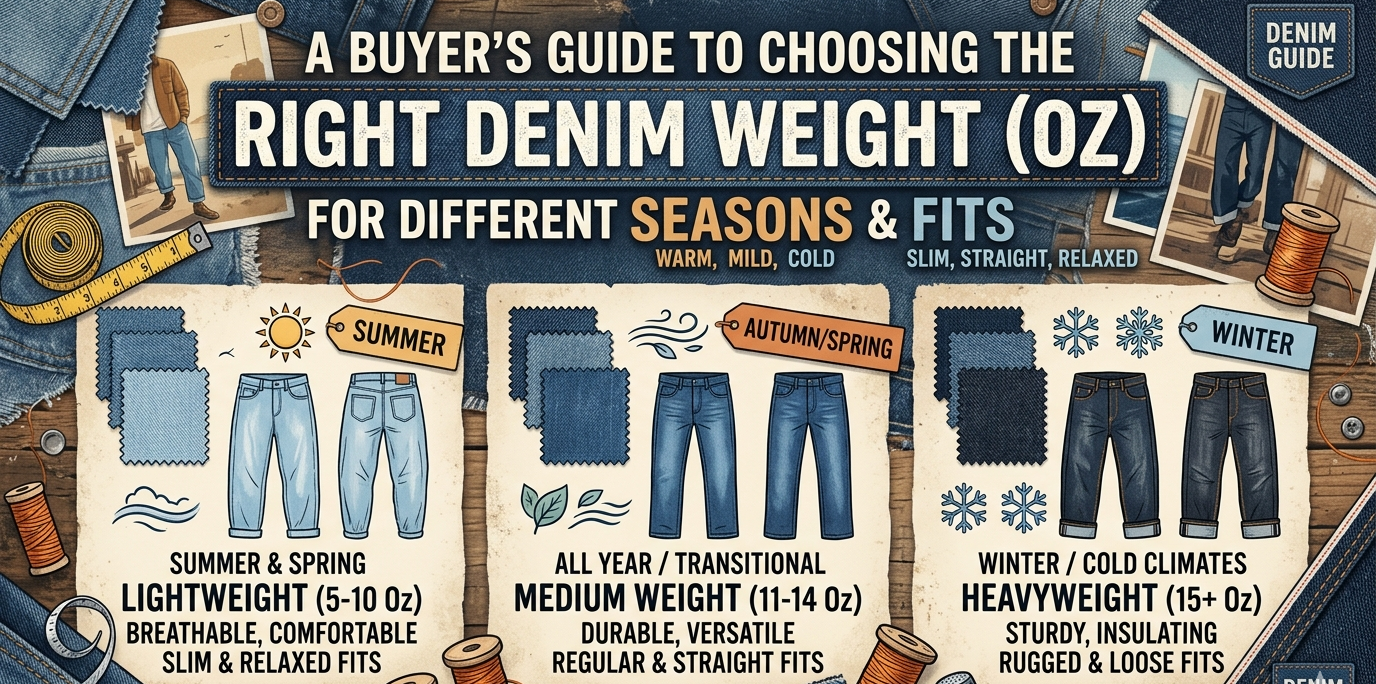
Denim weight is measured in ounces per square yard of fabric. In a factory setting, this weight dictates everything from the sewing needle thickness to the chemical temperature in the wash lab. Generally, denim is categorized into three tiers:
- Lightweight (4oz – 9oz): Ideal for shirts, dresses, and ultra-breathable summer garments.
- Mid-weight (10oz – 12oz): The industry standard for mainstream e-commerce, offering a balance of comfort and durability.
- Heavyweight (13oz – 15oz+): The choice for premium heritage brands, streetwear jorts, and rugged workwear.
Which Denim Weight is Best for Each Season?
Choosing fabric based on the season is vital for Amazon FBA and Shopify sellers to minimize off-season inventory overhead.
- Spring/Summer (8oz – 11oz): Summer collections require “breathability.” Lightweight denim or mid-weight blends with elastane allow for heat dissipation. If your brand focuses on fast fashion or “comfort fits,” this weight range lowers your shipping costs and improves initial customer satisfaction.
- Autumn/Winter (12oz – 14oz+): Cold-weather denim needs density to block wind and retain heat. Heavyweight denim (13oz+) provides the “hand-feel” consumers associate with high-quality, premium jeans that justify a higher retail price.
How to Match Denim Weight with Your Garment Fit?
The silhouette of your design—whether it is a “Baggy Jort” or a “Skinny Jean”—is mathematically tied to the fabric’s weight.
- Skinny & Slim Fits (9oz – 11oz Stretch): To achieve a contouring fit, the fabric must be light and flexible. Using heavyweight rigid denim for a skinny fit would result in an unwearable, stiff garment.
- Straight & Regular Fits (11oz – 13oz): This is the “safe zone” for most B2B buyers. It provides enough structure to look professional but enough flexibility for daily wear.
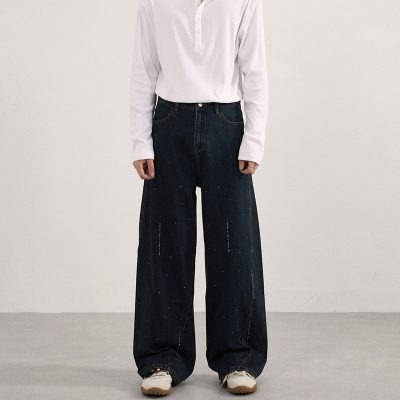
- Wide-Leg & Structured Loose Fits (13oz – 15oz Rigid): Modern trends like “Structured Loose” jeans require the architectural drape that only 100% rigid heavyweight cotton can provide. Lightweight fabrics will “collapse” and cling to the legs, ruining the intended baggy silhouette.
The Impact of Industrial Washing on Different Weights
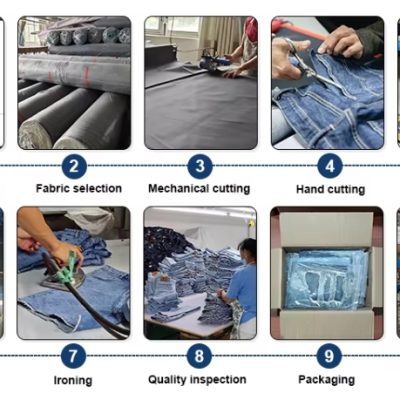
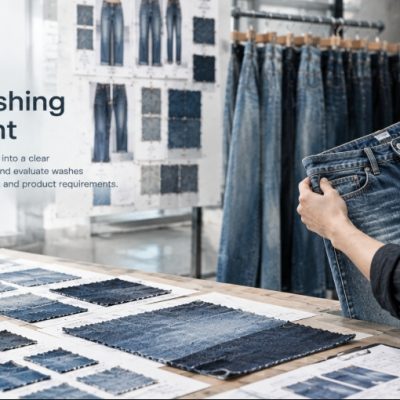
The “Oz” of your fabric changes during production. In our wash lab, heavy vintage processing (stone washing, enzyme baths) causes the cotton fibers to tighten.
- A 12oz rigid denim may feel like a 12.5oz garment after it has undergone a heavy vintage wash.
- Heavyweight denim can withstand aggressive abrasion (distressing, grinding) much better than lightweight fabrics, which are prone to tearing during the stone-wash cycle.
Why Choose Xinen Garment for Your Denim Production?
Xinen Garment provides technical manufacturing solutions for professional denim brands and importers. We don’t just sell jeans; we provide the engineering expertise to ensure your collection succeeds in the market.
- Strategic Fabric Sourcing: We source premium ring-spun cotton and technical stretch blends ranging from 8oz to 15oz, ensuring your Tech Pack specifications are met with precision.
- Precise Shrinkage Control: Our CAD team performs wash-shrinkage tests for every weight category, adjusting patterns to ensure that a size 32 fits like a 32, regardless of whether the fabric is 10oz or 14oz.
- B2B-Focused Support: We understand the needs of Amazon and Shopify sellers, offering MOQs starting at 100-300 pieces to help you scale without massive inventory risk.
- End-to-End Solutions: From custom hardware to FBA-ready packaging and strict moisture-control protocols, your inventory arrives ready for immediate sale.
Frequently Asked Questions (FAQ)
Q: Does a higher “Oz” mean the jeans are more expensive?
A: Generally, yes. Heavier fabrics use more raw cotton and require longer industrial wash times and heavy-duty sewing machinery, which increases the Cost Per Unit (CPU).
Q: Which weight is best for preventing returns on Amazon?
A: Mid-weight (10oz – 11oz) stretch denim typically has the lowest return rate because the fabric’s flexibility accommodates a wider range of body types.
Q: Can I use 14oz denim for summer shorts?
A: Only if your brand targets the “Heritage” or “Streetwear” market where a boxy, rigid look is preferred. For mainstream casual wear, it may be perceived as too hot and uncomfortable.
Q: Will the fabric weight affect my shipping costs?
A: Absolutely. A shipment of 1,000 pairs of 14oz jeans is significantly heavier than 1,000 pairs of 10oz jeans, which will impact your sea or air freight calculations.