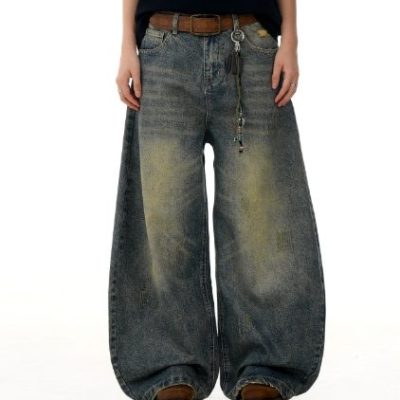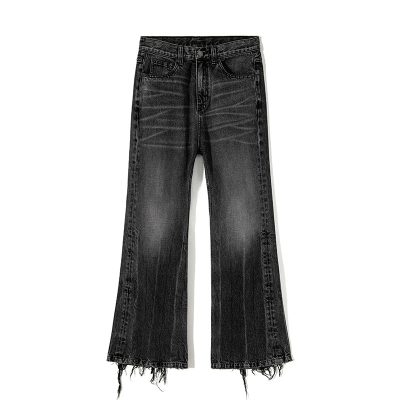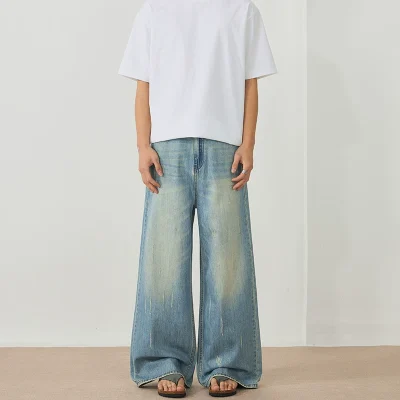
For apparel brands, private labels, and clothing importers, the sampling phase is the most critical checkpoint before committing to a bulk manufacturing order. Striking the right balance is essential: making too few samples increases the risk of production errors, while making too many delays your time-to-market and drains your budget.
If you are sourcing complex garments like custom denim, the process requires even tighter technical control due to fabric shrinkage and specialized commercial washing techniques. So, how many samples are actually necessary to ensure a smooth production run? Here is a practical breakdown of the standard sampling process.
What Are the Standard Stages of Garment Sampling?
To understand how many samples you need, you first need to understand the different types of samples used in B2B apparel manufacturing. A professional factory will typically guide you through the following sequence:
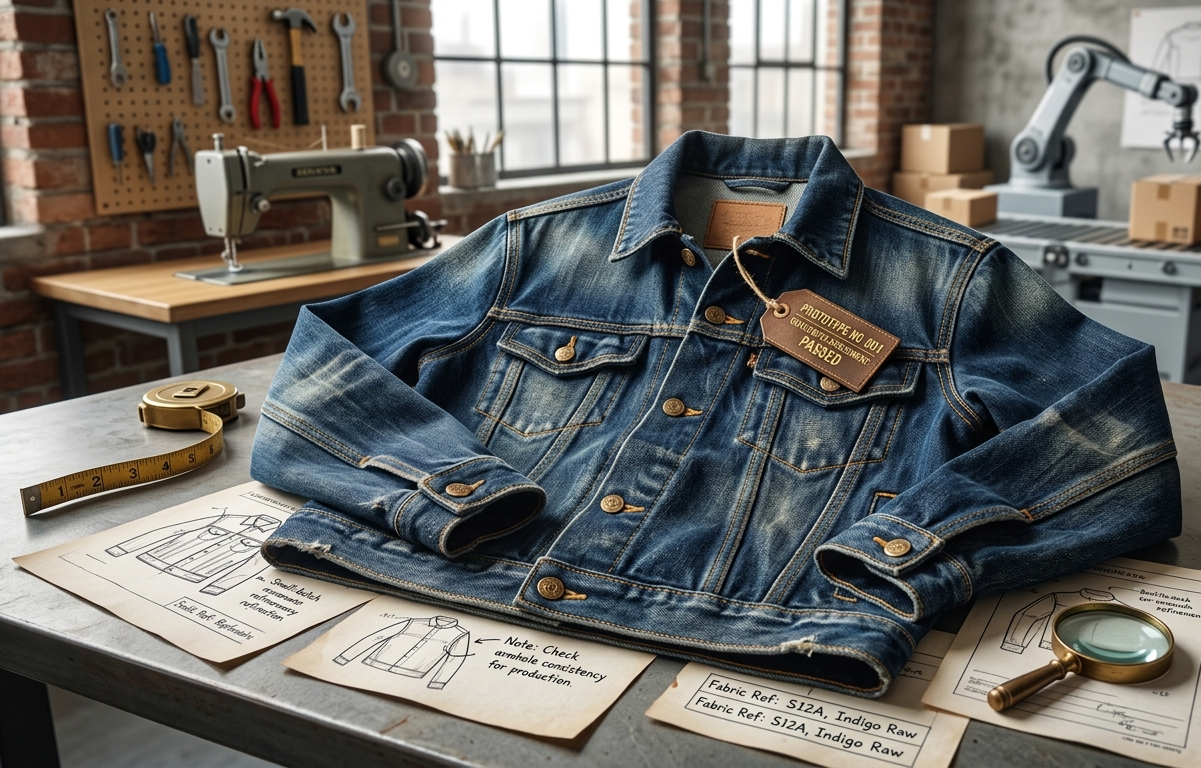
- 1. The Prototype (Proto) or Fit Sample: This is the first physical translation of your Tech Pack or reference garment. Its primary purpose is to check the basic pattern, silhouette, and fabric weight.
- 2. The Pre-Production (PP) Sample: This is the most important sample. It is made using the exact bulk fabric, trims (buttons, rivets, zippers), and specific wash techniques intended for the final production. You must approve this sample before the factory cuts the bulk fabric.
- 3. Size Set Samples (Optional but Recommended): Once the base size (e.g., Medium or 32-waist) is approved, a size set involves making one sample for every size in your grading chart to ensure the proportions scale correctly.
- 4. Top of Production (TOP) Sample: This is pulled directly from the first run of the bulk production line. It serves as confirmation that the bulk matches the approved PP sample.
How Many Samples Do You Really Need?
For most standard clothing orders, two to three sample iterations are typically required before moving to bulk production.
- First Iteration: You receive the Proto/Fit sample. You review the construction, test the fit on a model, and note any pattern adjustments.
- Second Iteration: The factory implements your feedback and creates the PP sample with correct fabrics, hardware, and washes. If this is accurate, you approve it for bulk.
- Third Iteration (If needed): If the PP sample fails to meet technical specifications—such as incorrect shrinkage after a commercial wash or misaligned cargo pockets—a revised PP sample must be made and approved.
For structurally complex garments—such as wide-leg denim fits, multi-pocket cargo pants, or heavy-weight fabrics requiring extensive commercial washing—expect to lean toward three samples. The primary goal is to completely eliminate sample-to-bulk replication risks.
How Can You Reduce the Number of Required Samples?
Minimizing your sampling rounds saves weeks of development time. You can streamline the process by providing your manufacturing partner with precise data upfront:
- Provide a Comprehensive Tech Pack: Include highly detailed measurement charts, grading rules, hardware specifications, and specific fabric weights (in ounces).
- Send Physical Reference Samples: If you want a specific vintage wash or a unique distressing pattern, sending a physical garment is far more accurate than relying on photographs.
- Communicate Shrinkage Tolerances: Denim and other natural cotton fabrics shrink during commercial washing. Ensure you and the factory are aligned on the expected shrinkage rates before the first pattern is cut.
Why Do Denim Buyers Choose Xinen Garment for Bulk Production?
When producing custom jeans and denim apparel, partnering with a specialized factory rather than a general clothing supplier is the most effective way to reduce sampling errors. Xinen Garment is a dedicated high-end custom denim clothing manufacturer serving B2B importers, wholesalers, and independent brands.
Clients choose to partner with us because we operate on facts and technical precision:
- Direct Manufacturer Capability: We are a direct factory, which means your technical requirements go straight to the production floor without intermediary miscommunication.
- Technical Denim Expertise: We specialize in the specific parameters of denim production, accurately managing heavy fabric weights, wide-leg constructions, and complex cargo styles.
- Advanced Commercial Washing: We have the facilities to execute precise wash techniques—from raw denim finishes to heavy enzyme and stone washes—while strictly calculating fabric shrinkage to ensure accurate bulk sizing.
- Strict Sample-to-Bulk Replication: We understand that a great sample is useless if the bulk fails. Our internal quality control processes are structured to ensure your final delivery precisely matches the approved Pre-Production sample.
Frequently Asked Questions (FAQs) About Denim Sampling
How long does it take to produce a custom denim sample?
A standard proto or fit sample typically takes 7 to 15 days to complete, depending on whether custom hardware or specific fabric weights need to be sourced.
Do I have to pay for samples?
Yes, factories charge a sampling fee to cover the disproportionate labor, pattern making, and machine setup time required for single units. However, reputable manufacturers often credit or deduct the sample cost from your final invoice once a bulk order is placed and minimum order quantities (MOQs) are met.
Can I skip the PP sample if I trust the factory?
Skipping the Pre-Production sample is highly discouraged. The PP sample is your contractual baseline for quality control. Without it, you have no physical reference to hold the factory accountable for the bulk production.
Should I order a full size set before bulk?
If you are launching a completely new fit (like an exaggerated wide-leg or a highly tailored skinny fit), a full size set is strongly recommended to ensure the pattern grades correctly across all sizes. For standard, established fits, approving a base size and trusting the factory’s grading software is often sufficient.