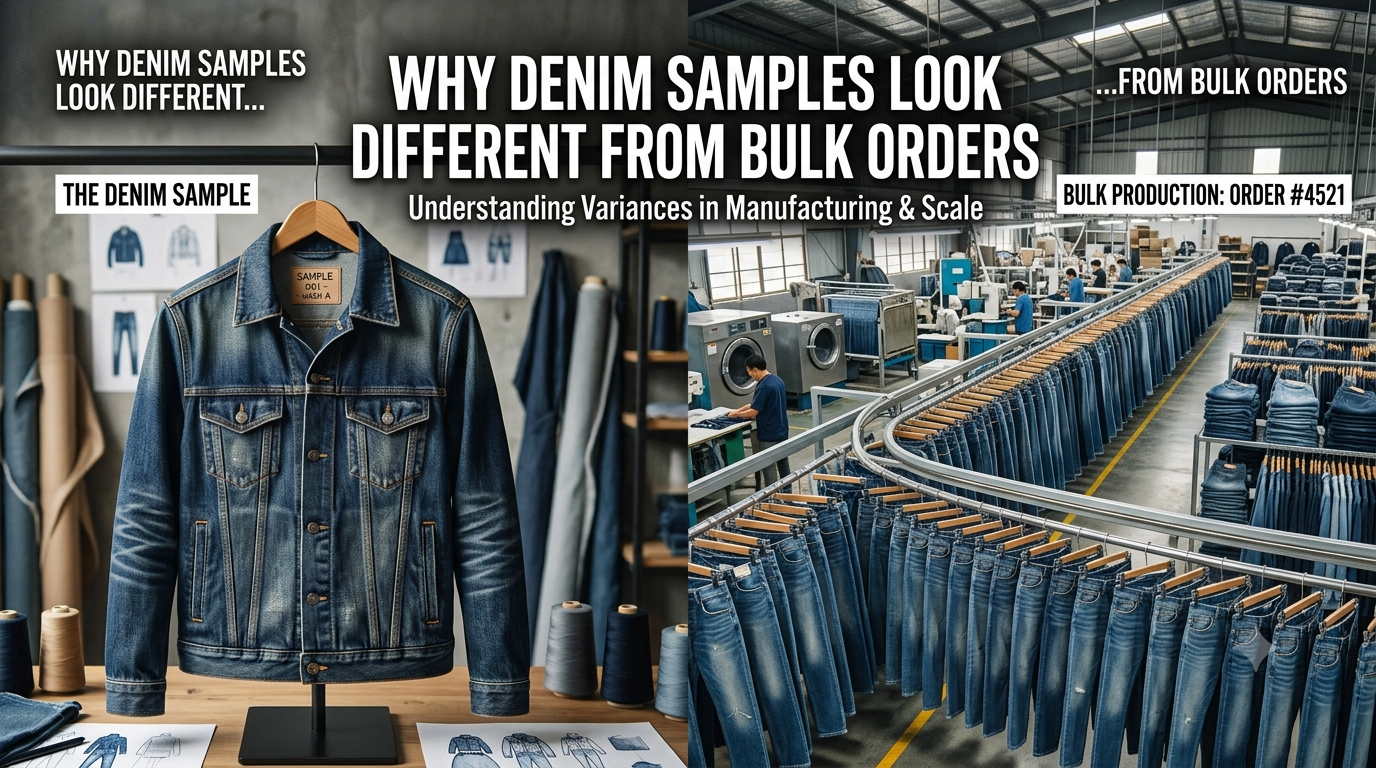
Receiving a perfect pre-production (PP) sample is a critical milestone in custom apparel manufacturing. However, one of the most common challenges faced by clothing importers, wholesalers, and private labels is discovering slight variations when the final bulk order arrives.
In general apparel, major discrepancies between a sample and bulk production often indicate poor quality control. But in custom denim manufacturing, minor variations are an inherent part of the technical production process. Understanding the technical reasons behind these differences can help sourcing professionals set realistic expectations and manage their production pipelines effectively.
Why Does Fabric Shrinkage Affect Denim Sizing?
Denim is primarily constructed from cotton, a natural fiber that inherently reacts to water, heat, and chemicals. When a factory produces a single sample, the fabric is often cut from a sample roll and processed individually.
In bulk production, fabric is sourced in massive quantities from dye lots. Even when using the exact same fabric composition and weight, different rolls can exhibit marginal differences in shrinkage rates once they undergo commercial washing. A precise clothing manufacturer will calculate and build shrinkage tolerances into your Tech Pack grading, but a fractional millimeter difference in shrinkage across a 1,000-piece run is a standard physical reality of working with woven cotton.
How Do Commercial Wash Processes Create Color Variations?
The most significant factor that separates denim from other textiles is the commercial wash process. Techniques such as enzyme washing, stone washing, acid washing, and bleaching dictate the final color and texture of the jeans.
A PP sample is typically washed in a small-capacity sample machine. Bulk orders, conversely, are processed in large industrial washing machines holding dozens of heavy garments at once. This change in volume affects:
- Mechanical Friction: The way garments rub against each other and against pumice stones alters the abrasion patterns.
- Chemical Dispersion: The water-to-chemical ratio interacts slightly differently with a machine full of densely packed denim compared to a single pair of jeans.
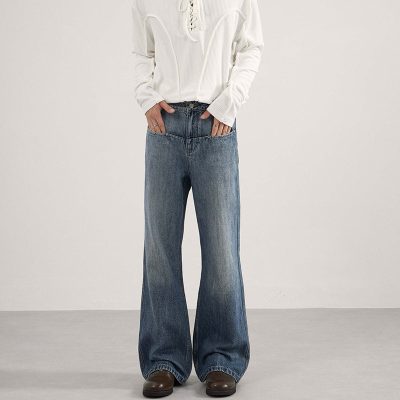
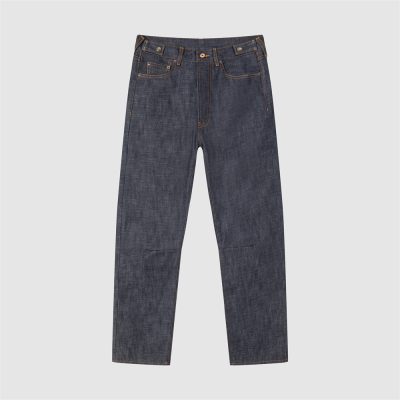
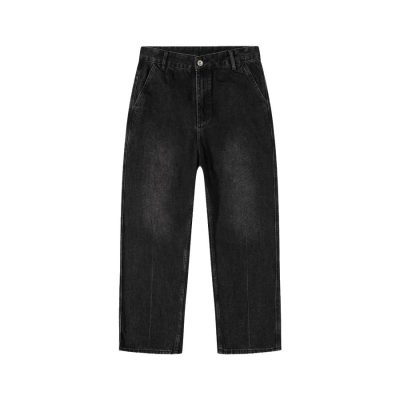
Because of these variables, a 5% to 10% shade variation between the sample and the bulk lot is considered an acceptable industry standard in denim manufacturing.
What Role Does Manual Craftsmanship Play in Custom Denim?
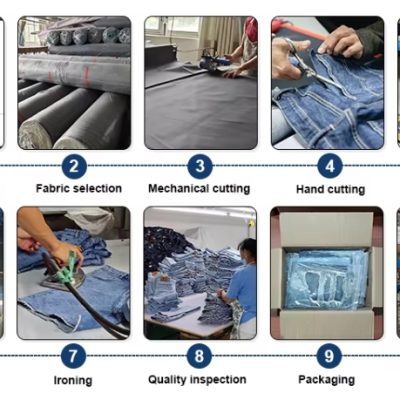
While automated machinery handles the cutting and heavy-duty sewing, the detailing that defines premium denim is done by hand.
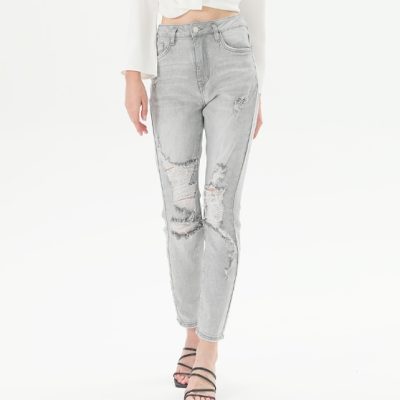
Distressing, whiskering, sandblasting, and hand-scraping are manual processes. Skilled workers use abrasive tools to create worn effects on specific areas of the garment. Because humans execute this step, the pressure applied, the exact angle of the sanding block, and the placement of the distressing will naturally vary from garment to garment. These organic inconsistencies are not defects; they are the hallmarks of authentic, hand-finished denim.
Why Do Private Labels Partner With Xinen Garment?
Navigating the complexities of heavy fabric construction and commercial washing requires a specialized manufacturing partner. Xinen Garment operates as a direct OEM/ODM clothing manufacturer specializing exclusively in denim apparel for B2B clients and global brands.
Procurement teams choose to work with us based on clear, technical advantages:
- Direct Factory Control: We eliminate intermediary miscommunication. Your technical specifications go directly to the production floor.
- Technical Precision: We rely heavily on exact measurement methodologies and detailed Tech Packs to control shrinkage and ensure accurate sizing across complex fits.
- Authentic Production: We respect intellectual property and custom designs, ensuring that proprietary stitching details or branding elements belong solely to your label.
- Objective Quality Control: We establish clear AQL (Acceptable Quality Limit) standards prior to production, ensuring that unavoidable wash variations remain within strict, acceptable commercial tolerances.
Frequently Asked Questions (FAQs) by Denim Sourcing Professionals
How can I ensure my bulk order matches the sample as closely as possible?
The most effective method is utilizing highly detailed Tech Packs that clearly outline fabric weight (in ounces), specific hardware, grading rules, and reference images for the wash. Additionally, requesting a Top of Production (TOP) sample from the first bulk run allows you to verify consistency before the entire order is finalized.
Is it normal for the distressing to look slightly different on every pair?
Yes. High-end distressing is achieved through manual sanding and scraping. These hand-finished techniques will inherently result in slight, unique variations on every individual garment.
What is an acceptable shade difference in denim bulk production?
Due to the variables in large-scale commercial washing and dye lots, a shade tolerance of 5% to 10% from the approved pre-production sample is standard across the denim industry.
Can I use proprietary stitching designs on my custom jeans?
You can apply your own original designs. However, reputable manufacturers will reject requests to copy protected proprietary designs (such as specific trademarked back-pocket embroideries from major heritage brands) to ensure all custom production remains legally compliant for independent private labels.