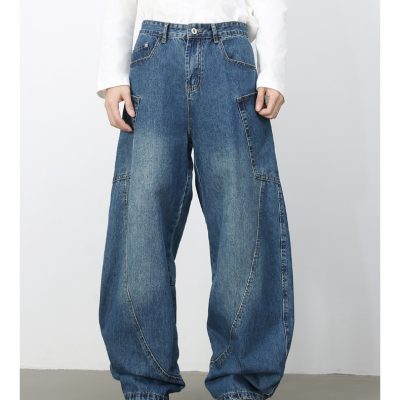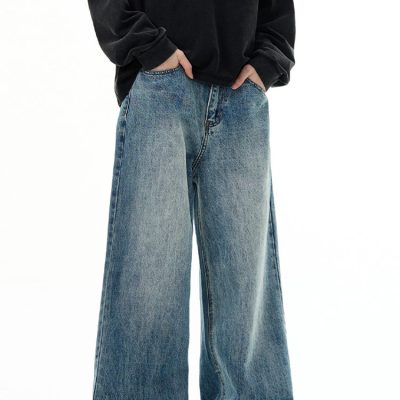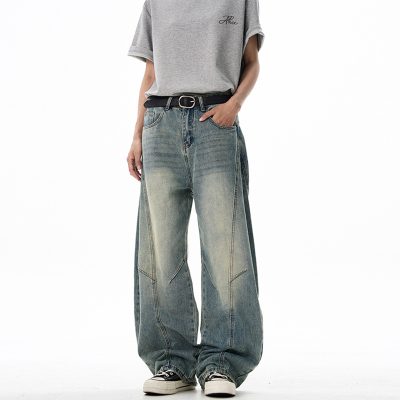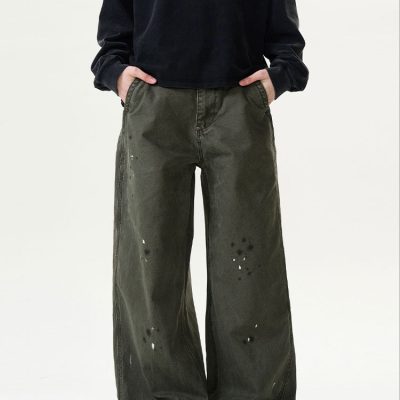
Premium denim brands rarely build their reputations on a constantly rotating catalog of generic trend pieces. Instead, they anchor their identity around a small number of recognizable, highly refined signature jeans. A signature jean serves as the foundation of a brand’s visual and physical identity, offering customers a reliable silhouette they can return to season after season. Developing this level of product consistency requires a deliberate approach to product development, from initial pattern drafting to fabric sourcing, wash testing, and final bulk production.
What Makes a Pair of Jeans a Brand’s Signature Product?
A generic jeans product is highly interchangeable, manufactured primarily to hit a specific price point or capitalize on a fleeting trend. A signature product is a distinct, repeatable garment that immediately communicates a brand’s specific design language.
Premium denim brands achieve this distinction not through excessive decoration, but through a calculated combination of specific development pillars. A signature jean feels intentional. The fabric weight supports the intended drape of the leg, the wash aligns with the brand’s aesthetic, and the construction details remain uniform across different collections.
| Signature Denim Element | What the Brand Controls | Why It Matters |
| Fit | Rise, hip, thigh, knee, leg opening | Establishes the core silhouette and brand recognition. |
| Fabric | Weight, composition, weave, texture | Dictates the hand feel, durability, and physical drape. |
| Wash | Shade, fading, finishing techniques | Creates the visual identity and character of the denim. |
| Construction | Stitch density, seam types, pocket shape | Determines the physical integrity and structural character. |
| Trims | Hardware, labels, leather/jacron patches | Provides subtle, distinct brand identifiers. |
How Do Premium Denim Brands Define Their Signature Fit?
A signature fit is the most critical element of custom denim development. Brands define their fit by manipulating a precise set of measurements to create a specific geometric block around the body.
The primary measurements include the rise (both front and back, which determine how the jeans sit on the waist and hips), the hip and seat allowance, the thigh width, the knee break, and the leg opening. The relationship between these points creates the overall silhouette.
Developing a fit is an objective process. A baggy or wide-leg silhouette is not inherently more premium than a slim or straight cut. A premium wide-leg jean requires just as much structural engineering as a tailored fit to ensure the excess fabric drapes intentionally rather than looking disproportionate. Brands must define how the denim interacts with the wearer’s body and footwear, ensuring the fit directly aligns with their target customer’s expectations.
Why Denim Fabric Is More Important Than Most Brands Expect
Fabric selection fundamentally dictates how a pair of jeans will perform, wash, and drape. Choosing the right denim requires aligning the fabric’s physical properties with the intended fit and wash of the signature product.
Weight is a primary consideration, typically measured in ounces per square yard (oz). Heavyweight denim (14oz and above) provides rigid structure, sharp creases, and distinct fading patterns, making it ideal for heritage or structured straight-leg fits. Mid-weight denim (11oz to 13oz) offers a balance of durability and comfort suitable for a wide variety of everyday fits. Lightweight denim (under 10oz) provides fluid drape for summer collections or specific wide-leg silhouettes.
Fiber composition and yarn characteristics also play a critical role. A 100% cotton rigid denim behaves entirely differently than a denim blended with elastane for stretch and recovery. Furthermore, the texture of the yarn—whether smooth and uniform or slubby and irregular—will determine the character of the jean once it undergoes the wash process. A premium denim manufacturer will require fabric specifications early in the process because the fabric’s specific shrinkage rate will dictate the entire pattern development phase.
How Wash Development Creates a Brand’s Denim Identity
The washing and finishing process transforms raw denim into a finished product with distinct character. Premium washing is fundamentally about control, precision, and consistency across production batches.
Brands build their denim identity through specific wash recipes. A rigid or raw finish appeals to purists who want to break in the jeans themselves. A simple rinse wash removes shrinkage and softens the fabric while maintaining a dark, uniform shade. More complex processes like stone washing and enzyme washing break down the indigo dye to create authentic fading and a softer hand feel. Vintage washes, over-dyeing, and targeted distressing require specialized techniques to replicate years of natural wear.
Wash development directly impacts fit. The physical processes of heat, water, and abrasion cause denim fabric to shrink and shift. A pattern that fits perfectly in a raw state will fit entirely differently after a heavy 60-minute stone wash. Premium custom denim development accounts for this variance, ensuring the final washed garment matches the target measurement chart.
Why Pattern Development Separates Premium Denim From Generic Jeans
A fashion sketch or a mood board does not produce a well-fitting garment; a highly engineered pattern does. Pattern development is the technical bridge between a brand’s concept and the physical reality of manufacturing.
Premium denim brands invest heavily in their base pattern. This involves establishing the initial fit blocks in a sample size, defining the precise curve of the rise, the balance of the leg, and the placement of the pockets. Once the base pattern is perfected, grading rules are applied to scale the pattern up and down across the entire size run.
Crucially, pattern development in denim must incorporate shrinkage compensation. If a selected fabric shrinks by 8% in the warp (length) and 4% in the weft (width) during the intended wash process, the manufacturer must draft the raw pattern 8% longer and 4% wider. Generic jeans often skip strict shrinkage testing, resulting in inconsistent sizing across different washes of the supposedly same fit.
How Sampling Turns a Denim Concept Into a Real Product
Transforming a concept into a repeatable signature jean requires a systematic sampling process. Serious fashion entrepreneurs understand that the first sample is rarely ready for bulk production.
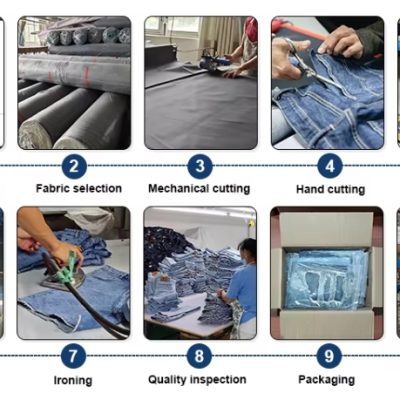
The standard development progression follows these stages:
- Concept & Tech Pack: The brand provides design references, measurement charts, and construction details.
- Fabric Sourcing & Selection: The manufacturer identifies fabrics that meet the weight, composition, and texture requirements.
- First Pattern & Prototype: A raw sample is cut and sewn to evaluate the basic construction and pattern balance.
- Fit Review & Revision: The brand reviews the fit on a model. Adjustments to the rise, leg shape, or pocket placement are noted.
- Wash Development: The revised pattern is cut in the selected fabric and put through the target wash recipe to test shrinkage and shade.
- Revised Sample: A fully washed and finished sample is submitted for review.
- Pre-Production (PP) Sample: Once all details are finalized, a final sample is produced using bulk fabric and bulk trims.
- Bulk Production: Only after the PP sample is formally approved does full manufacturing begin.
This iterative process ensures all technical and aesthetic issues are resolved before material is cut for hundreds of units.
Which Details Make a Premium Jean Feel More Distinctive?
Distinctive jeans do not require overwhelming details; they require consistent, intentional choices. The hardware, stitching, and finishing techniques communicate the quality level of the garment.
Premium denim brands pay close attention to stitch density and thread thickness, often specifying different thread weights (such as heavier Tex 80 thread for structural seams and Tex 60 for topstitching). Pocket shape and placement are rigorously tested, as they drastically affect the visual proportion of the seat.
Hardware selection—including custom-molded shank buttons, copper or brass rivets, and heavy-duty zippers—adds tactile weight to the product. Subtle branding elements like a debossed leather patch, a durable jacron label, or a specific bartack color serve as quiet but recognizable signatures. The distinction lies in the quality of these components and the precision of their application.
How Can a Brand Make Its Signature Jeans Consistent Across Future Collections?
Achieving a great fit on one sample is only half the challenge; replicating that exact fit across multiple production runs and future seasons is the true test of a premium denim brand.
Consistency relies on establishing strict, documented standards. The foundation is an approved master sample (often called a “gold seal” sample) that serves as the physical benchmark for all future production. This sample is paired with a comprehensive measurement chart detailing exact tolerances—typically allowing no more than a half-inch variance on critical points like the waist and inseam.
Brands must also maintain locked specifications for their fabric (mill, weight, composition), their specific wash recipes, and their trim details. By maintaining accurate tech packs and working closely with a manufacturer’s quality control (QC) team to enforce these standards, brands ensure that a customer buying a signature jean in 2024 receives the exact same fit and feel as the one they purchased in 2022.
What Should a Brand Prepare Before Working With a Denim Manufacturer?
Approaching a custom jeans manufacturer requires preparation. While emerging designer brands may not have complete technical documentation on day one, providing clear, structured information allows the factory to evaluate the project accurately.
Before initiating development, brands should prepare the following:
- Design references: Physical samples of fits or washes you want to emulate or modify.
- Target fit and size range: A clear understanding of the silhouette and the sizes you intend to offer.
- Fabric preference: Desired weight, rigid vs. stretch, and surface texture.
- Wash direction: Visual references for the specific shade, fading, and finishing required.
- Estimated order quantity: Realistic projections for the initial bulk order.
- Branding requirements: Concepts for custom buttons, rivets, labels, and patches.
- Tech pack: If available, a document detailing measurements, grading rules, and construction callouts.
A well-prepared brand communicates professionalism, which in turn secures better engagement from capable manufacturing partners.
How Much Does Developing a Signature Denim Style Actually Involve?
Developing a custom denim style requires investment in time, materials, and labor. The cost of development is distinct from the final unit price of bulk production and depends entirely on the complexity of the project.
Several variables influence development requirements. Fabric selection plays a major role; utilizing stock fabrics available in the market requires lower minimums and faster development times than commissioning custom-woven denim from a mill. Pattern development and the number of sample iterations required to perfect the fit also impact the scope of work.
Wash development involves laboratory time to run shade bands and test different finishing techniques. Additionally, producing custom-branded hardware requires initial mold and tooling fees. Premium denim development is a structured engineering process, and the resources allocated to this phase directly determine the quality of the final bulk production.
What Should Brands Check Before Approving Bulk Production?
The final step before mass manufacturing is the approval of the Pre-Production (PP) sample. This is a critical checkpoint for product developers and buyers.
A professional pre-production checklist should include verifying:
- Measurements: Does the washed garment match the target spec chart within acceptable tolerances?
- Fabric and Shade: Does the bulk fabric match the approved swatches in weight, hand feel, and color?
- Wash Consistency: Are the fading, whiskering, and distressing effects applied accurately and naturally?
- Stitching and Construction: Are the seam types correct? Is the stitch tension balanced without puckering?
- Hardware and Trims: Are the correct custom buttons, rivets, and zippers securely attached?
- Labels and Packaging: Are the brand labels, care tags, and leather patches positioned perfectly?
Approving bulk production means confirming that the factory’s final output matches the brand’s exact specifications.
Why Work With Xinen Garment for Custom Denim Development?
Xinen Garment operates as a specialized custom denim jeans manufacturer in China, partnering with independent labels, streetwear brands, and premium denim companies to manage the entire lifecycle of denim production.
For brands focused on establishing or scaling their signature jeans, Xinen Garment provides comprehensive manufacturing support. The facility handles fabric sourcing, precision pattern development, and iterative sampling to translate design concepts into production-ready tech packs. With integrated washing and finishing capabilities, Xinen Garment ensures that specific wash recipes and shrinkage compensations are strictly controlled.
From initial fit development to quality control and final bulk production, Xinen Garment focuses on the technical execution required to maintain consistent fits, accurate washes, and durable construction across all production runs.
Frequently Asked Questions About Signature Denim Development
1. What makes a pair of jeans a signature product?
A signature product is defined by a consistent, recognizable fit, specific fabric selection, uniform wash language, and repeatable construction details that define a brand’s core identity season after season.
2. How long does it take to develop custom jeans?
Development timelines vary based on complexity, but creating a new style from concept through first pattern, fit revisions, wash testing, and final pre-production sampling generally takes several weeks to a few months before bulk production can begin.
3. Does a premium denim brand need a tech pack?
While highly recommended for precision and efficiency, early-stage brands can often begin the process by providing clear physical reference garments, detailed measurement charts, and a well-defined product concept to the manufacturer.
4. What denim weight is best for premium jeans?
There is no single “best” weight. Heavyweight denim (14oz+) is ideal for structured, rigid fits, while mid-weight (11oz-13oz) offers everyday versatility. The best weight is the one that physically supports the brand’s intended silhouette.
5. How many samples are usually needed before bulk production?
Typically, a brand will go through two to three rounds of sampling: a first fit sample, a revised sample incorporating fit and wash adjustments, and a final Pre-Production (PP) sample using bulk materials.
6. Can a manufacturer develop a custom wash?
Yes. Capable denim manufacturers develop custom wash recipes by manipulating wet processing, stone washing, enzymes, and manual finishing to match a brand’s specific visual references.
7. What is the difference between custom denim development and private label jeans?
Private label often involves applying a brand’s logo to a factory’s pre-existing ready-made styles. Custom denim development involves drafting unique patterns, sourcing specific fabrics, and engineering original washes exclusively for the brand.
8. How can a brand maintain consistent fit across future production runs?
Consistency is maintained by establishing a locked “gold seal” master sample, utilizing strict measurement charts with tight tolerances, recording the exact wash recipe, and conducting rigorous quality control during bulk manufacturing.