
For independent apparel brands and e-commerce importers, deciding which silhouettes to include in a new collection is a strict calculation of production costs versus retail demand. While the classic 5-pocket jean is the backbone of any denim line, Cargo Denim Pants have transitioned from a niche streetwear trend into a high-margin commercial necessity for 2026.
Driven by the “Gorpcore” utility movement and the continued resurgence of Y2K fashion, consumers are demanding functional, multi-pocket denim. However, from a manufacturing perspective, cargo denim is a complex garment.
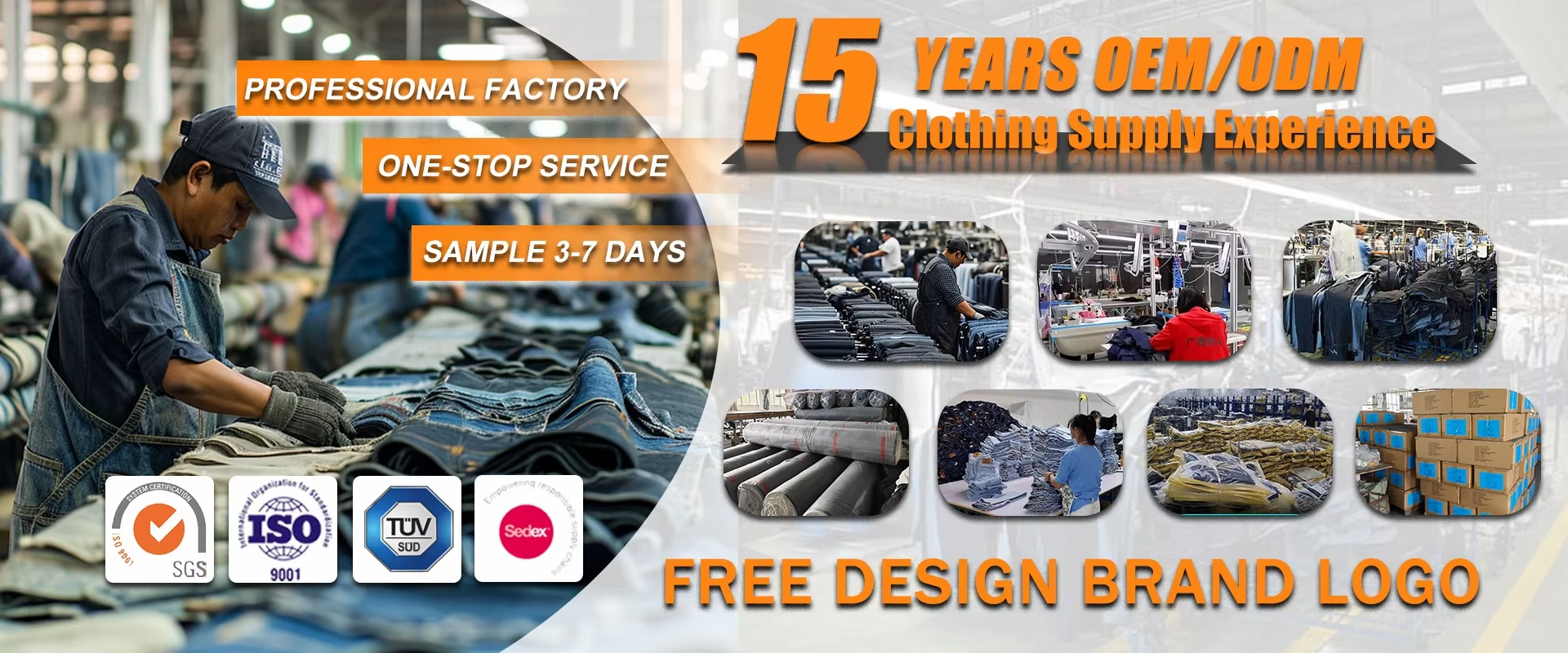
At Xinen Garment, we engineer custom denim for international wholesalers and private labels. If you are preparing to add cargo jeans to your brand’s lineup, here is the factory-floor reality of why this trend is profitable, and the production pitfalls you must avoid.
The Commercial Advantage: Higher Perceived Value
Why should your brand invest in cargo denim when it costs more to produce than standard straight-leg jeans? The answer lies in the retail markup.
- Premium Pricing: Consumers inherently understand that 3D utility pockets, heavy-duty snap buttons, and reinforced flaps require more material and labor. Consequently, buyers are willing to pay a premium. A brand that sells standard jeans for $60 can easily retail a well-constructed cargo denim pant for $90 to $110.
- Visual Differentiation: In a crowded e-commerce space like Amazon or Shopify, standard blue jeans blend together. Cargo denim provides structural visual interest—making your product photography stand out instantly in search results and social media ads.
Technical Pitfalls: What Ruins a Cargo Denim Tech Pack?
Designing a cargo pant on paper is easy; manufacturing it so that it drapes correctly on the human body is difficult. If you are submitting a Tech Pack for cargo denim, pay attention to these critical engineering details:
- Fabric Weight and Sagging: You cannot use lightweight, high-stretch fast-fashion denim (9oz-10oz) for a cargo pant. The weight of the side pockets—especially if the consumer actually uses them—will pull the lightweight fabric down, destroying the silhouette. We strictly recommend 12oz to 14oz rigid cotton or low-stretch blends to provide the necessary structural support.
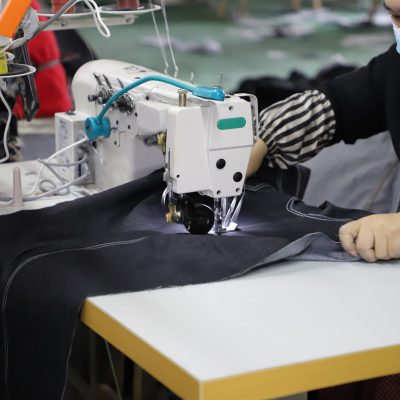
- 3D Pocket Construction: Flat patch pockets look cheap. High-end cargo denim utilizes gusseted, 3D bellow pockets. This requires precise CAD pattern making and skilled sewing operators to fold and stitch the excess fabric correctly.
- Bar-Tack Reinforcement: Cargo pockets create high-tension stress points on the side seams. A professional factory will use heavy-duty bar-tack stitching at the corners of every pocket flap to prevent tearing during industrial vintage washing and everyday consumer wear.
Wash Consistency on Multi-Panel Garments
Cargo pants involve significantly more fabric panels than standard jeans. When these garments enter the wash lab for a vintage stone-wash or enzyme treatment, the chemical abrasion affects the raised edges of the pockets first.
If the factory lacks strict temperature and chemical controls, the pockets will fade at a completely different rate than the main leg panels, resulting in a patchy, amateur look. Consistent wash recipes are mandatory for utility denim.
Why Choose Xinen Garment for Your Cargo Denim Production?
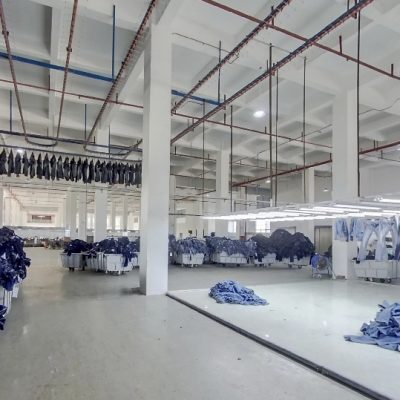
Successfully launching a cargo denim line requires a manufacturer capable of handling high-complexity sewing and precise pattern balancing. Based in China, Xinen Garment acts as the direct technical supply chain for global denim brands.
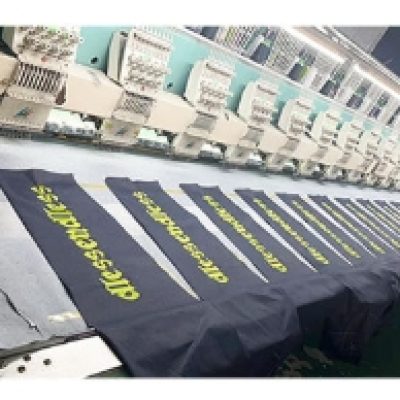
- Complex Construction Expertise: Our sewing lines are equipped to handle the heavy-duty machinery required for 3D pocket construction, reinforced bar-tacking, and custom metal hardware installation.
- In-House Wash Control: We do not outsource our wet processing. We guarantee that the localized fading around your cargo pockets matches the exact specifications of your Pre-Production (PP) sample.
- Strategic MOQs: We understand the risk of testing new silhouettes. We offer practical Minimum Order Quantities (typically 100 to 300 pieces) so you can validate the cargo trend in your market without carrying deadstock.
- Transparent B2B Communication: No hidden trading company markups. You deal directly with the factory floor, ensuring your Bill of Materials (BOM) aligns with your target retail margins.
Frequently Asked Questions (FAQ)
Q: Does cargo denim cost significantly more to manufacture?
A: Yes, the Cost Per Unit (CPU) is higher. Cargo pants require a higher fabric yield (more yardage per jean) and extended sewing time to construct and attach the utility pockets. However, the higher retail price point generally offsets the production cost.
Q: Can I use stretch denim for cargo pants?
A: We recommend keeping elastane to a maximum of 1% to 2%. Excessive stretch will cause the heavy side pockets to warp and sag out of shape after the first wash. 100% rigid cotton is the most reliable choice for a premium utility look.
Q: Where should the cargo pockets be placed for the best fit?
A: Pocket placement is critical for pattern balance. Pockets placed too high add bulk to the hips; pockets placed too low restrict knee movement. Our CAD engineers draft the pocket placement precisely in the mid-thigh zone to ensure mobility and aesthetic proportion.
Q: Can Xinen Garment source custom hardware for the pockets?
A: Absolutely. We source heavy-duty brass or oxidized copper snap buttons, velcro closures, and custom-branded zippers to match the utility aesthetic of your brand.