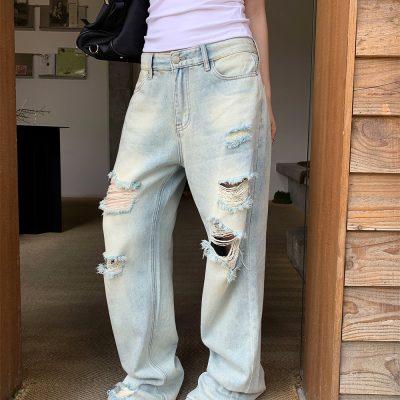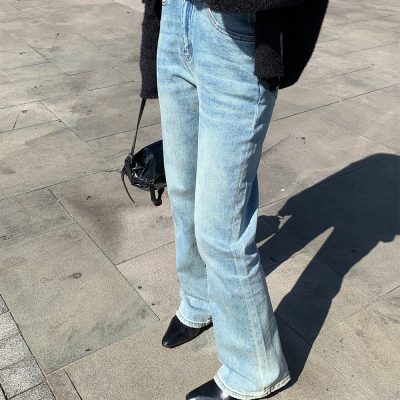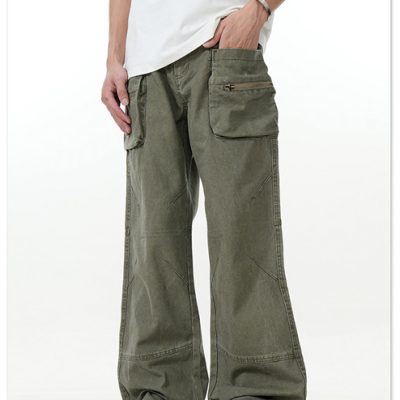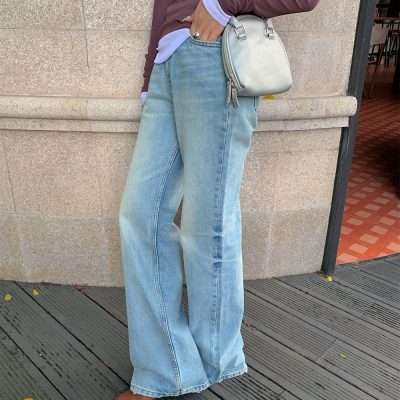
For many designers, the “wash” is the most frustrating part of the development process. You send a photo of a vintage pair of jeans from the 1990s, but the bulk production comes back looking like a flat, cheap blue.
In the factory, we see this all the time. Achieving a specific look isn’t just about throwing jeans into a machine; it is a balance of chemistry, fabric choice, and manual labor.
As a manufacturer, here is how we look at the difference between vintage and modern washes—and what you need to know to get the results you want.
What’s the Real Difference Between Vintage and Modern Washes?
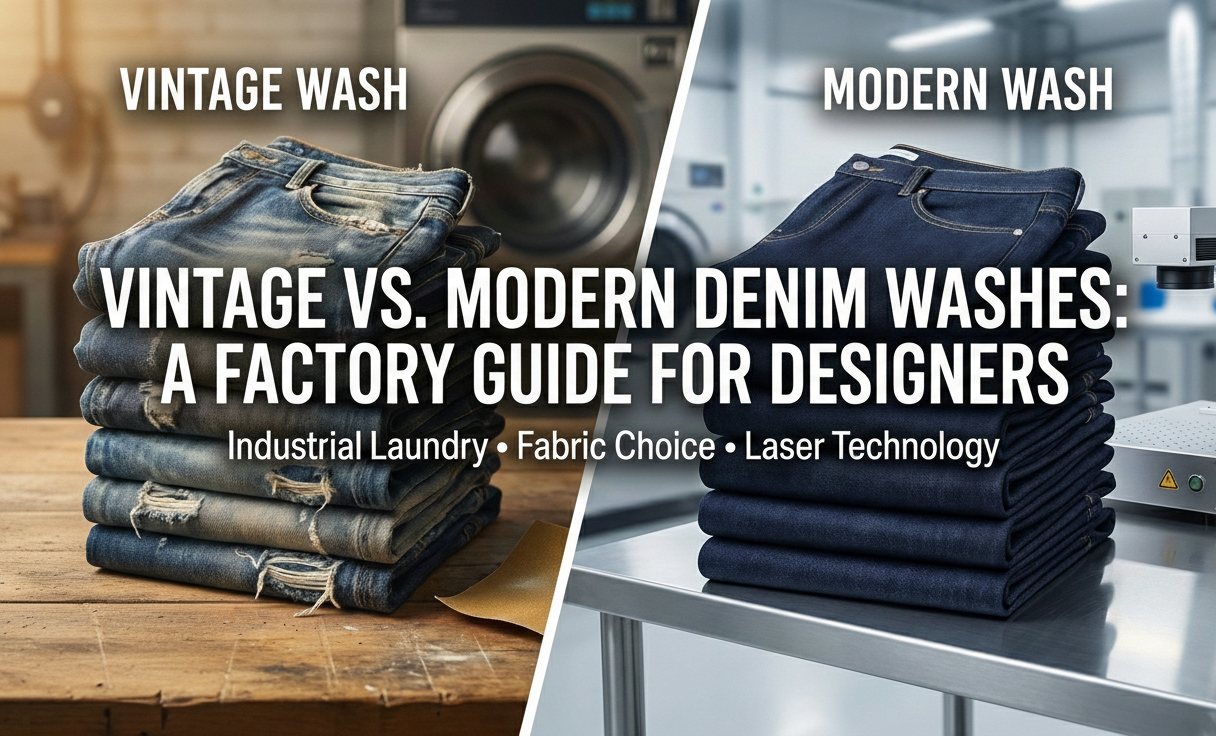
When a designer asks for a Vintage Wash, they are usually looking for “character.” This means high contrast, visible “salt and pepper” grain, and heavy abrasion on the seams. It is meant to look like the jeans have been worn and washed for ten years.
A Modern Wash, on the other hand, is about consistency. These are the clean, flat blues or deep indigos you see in “office-ready” denim. The goal here is a smooth surface with very little variation in color across the whole garment.
How Do We Get That “Authentic” Vintage Fade Industrially?
To get a vintage look in a factory setting, we have to “beat up” the fabric. This usually involves:
- Stone Washing: We use actual pumice stones in large industrial washers to physically wear down the denim and create those fuzzy, soft edges.
- Enzymes: These are chemicals that eat away at the surface fibers of the cotton, softening the fabric and pulling the indigo color out of the yarns.
- Manual Scraping: For those “whiskers” at the hips or “honeycombs” behind the knees, a worker usually has to scrape the jeans by hand with sandpaper before they ever hit the water.
- Laser Technology: For brands with more budget, we use lasers to burn these patterns into the denim. It’s faster and more consistent than hand-scraping, but it requires a high-quality fabric to look “real.”
Is Modern “Clean” Denim Easier to Produce?
You might think a clean, modern wash is easier because it’s “less work,” but that isn’t always true. Because the fabric is so clean, any small defect—like a slub in the yarn or a slight color variation in the dye—becomes very obvious.
For modern washes, we focus on Desizing (removing the stiff starch from the mill) and Chemical Stabilization. The challenge is making the jeans feel soft and comfortable without losing that deep, saturated indigo color that makes them look “new.”
Why Does Your Fabric Choice Matter Before the Wash Starts?
This is where most mistakes happen. You cannot get a heavy, “salt and pepper” vintage look on a high-stretch, lightweight denim. It just won’t work.
- For Vintage Looks: You need “Open-End” yarns and usually a higher weight (12oz to 14oz). Rigid or low-stretch (1-2% spandex) denim holds the abrasion better and shows the texture.
- For Modern Looks: You can use “Ring-Spun” yarns and higher stretch percentages. These fabrics take the dye more evenly and look smoother, which fits the modern aesthetic.
How Can You Avoid Bulk Production Disasters?
The biggest risk in denim is the “Batch Difference.” The sample you approve in the office is made in a small 5kg sample machine. The bulk order is made in a 100kg industrial machine.
To avoid surprises, we always recommend:
- Approving a Wet-Seal: Never go straight to bulk. Always approve a sample that was washed in the actual bulk facility.
- Testing Shrinkage: Heavy vintage washes cause more shrinkage than clean modern washes. We have to test the fabric’s reaction before we cut the bulk order, or your sizes will be completely off.
The Factory Manager’s Bottom Line
Don’t just send a photo. Send a physical reference sample will be better if you can. It allows our wash masters to feel the weight and see the grain, which makes it much easier for us to tell you if that look is actually achievable on the fabric you’ve chosen.
FAQ: Common Challenges with Vintage & Modern Washes
Why does my bulk production look slightly different from the original sample?
In the denim world, we call this “Scale-up Variation.” A sample is washed in a small 5kg or 10kg machine, where the ratio of stones to fabric is easy to control. Bulk orders are processed in massive 100kg machines. The water pressure, heat distribution, and the way the garments tumble together change slightly. To minimize this, we always recommend a “Wet-Seal” sample—essentially a trial run in the big machine—before we start the full production.
Can I achieve a high-contrast vintage wash on super-stretch denim?
To be honest, it’s very difficult. High-stretch fabrics contain a lot of spandex, which doesn’t react well to the high heat and heavy abrasion needed for vintage “honeycombs” or sharp whiskers. If we push the wash too hard, the spandex can snap, leading to “bubbles” in the fabric or a loss of stretch recovery. If you want a heavy vintage look, it is better to stick with 100% cotton or “Low-Stretch” (1% to 2% spandex) denim.
Does a heavy vintage wash affect the durability of the jeans?
Yes, it does. Every time we use stones or enzymes to pull color out, we are technically weakening the cotton fibers to get that “soft, lived-in” feel. A heavily distressed vintage jean will never be as strong as a clean, modern wash. As a manufacturer, our job is to find the “sweet spot”—giving you the look you want without making the fabric so thin that it rips after three months of wear.
How do I accurately communicate a specific “tint” or “cast” to the factory?
Photos on a phone screen are unreliable because every screen displays color differently. The best way is to provide a physical “Standard.” If you don’t have a vintage sample, you can use a Pantone TCX swatch or even a piece of fabric from a previous collection. If you want a “Greenish Cast” or a “Yellowish Tint” to make the jeans look aged, we need to know this before the final rinse stage, as that is when we add the specific dyes for tinting.
Is Laser finishing always better than manual hand-scraping?
Laser is more consistent and eco-friendly, but it has a specific “digital” look. If you are going for a very high-end, artisanal vintage vibe, manual hand-scraping still provides a depth and soul that a laser can’t quite replicate yet. However, for most modern brands looking to scale 1,000+ units, Laser is the best choice for speed and keeping the quality the same from the first pair to the last.