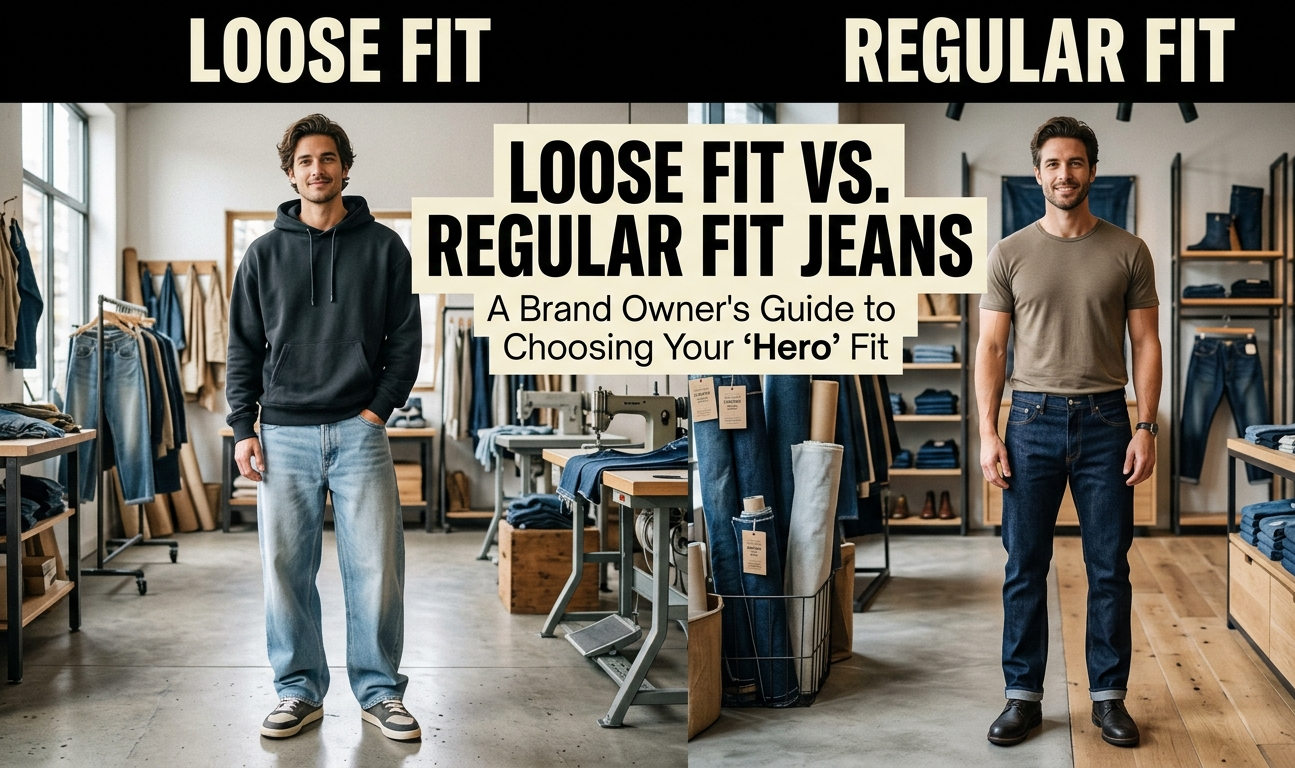
For anyone launching a denim brand in 2026, the choice between a Loose Fit and a Regular Fit is not just a design preference—it is a strategic financial decision. Your “Hero Fit” determines your target demographic, your fabric sourcing costs, and your e-commerce return rates.
At Xinen Garment, we help private labels navigate these choices from our manufacturing facility in Foshan. Here is the factory-floor reality of what customers actually prefer and how to balance your inventory between these two essential silhouettes.
Regular Fit: The High-Volume, Low-Risk Commercial Anchor
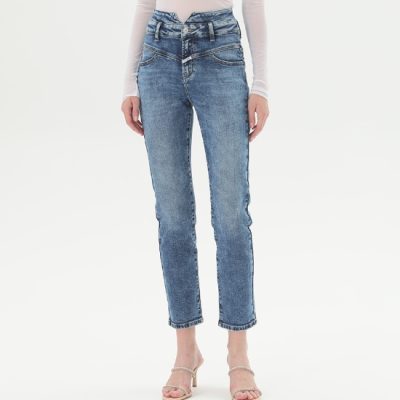
The Regular Fit is the undisputed backbone of the global denim market. For a new brand, it offers the most predictable Return on Investment (ROI).
- Who it’s for: The “everyday” consumer. It appeals to a broad age range (25–55) and diverse body types.
- Why it sells: It offers a balanced silhouette that is neither too tight nor too baggy. It is the safe choice for “work-to-weekend” wardrobes.
- The E-commerce Advantage: Because Regular Fit follows standardized body proportions, it has the lowest return rate for Amazon and Shopify sellers. Customers generally know their size in a regular block, reducing “bracket buying” (ordering multiple sizes to return one).
Loose Fit: The Trend-Driven Growth Driver
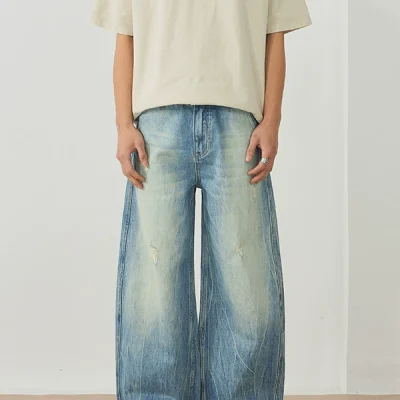
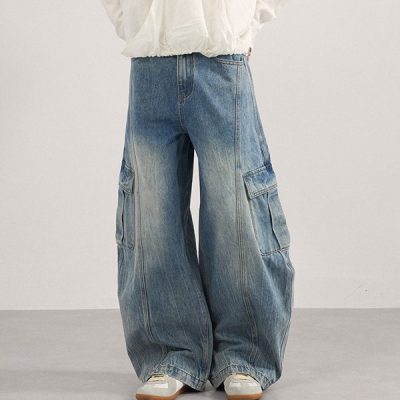
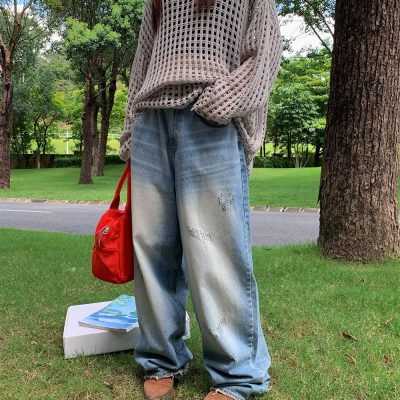
The Loose Fit (often associated with 90s nostalgia and streetwear) is currently the fastest-growing category among Gen Z and fashion-forward demographics.
- Who it’s for: Streetwear enthusiasts, youth culture, and comfort-first consumers.
- Why it sells: It provides an architectural, “baggy” aesthetic that prioritizes mobility and style. It is currently a high-margin item because it is perceived as a “designer” or “fashion-forward” silhouette.
- The Manufacturing Requirement: A Loose Fit requires heavyweight denim (13oz–14oz) to look premium. If the fabric is too thin, the loose silhouette will collapse and look “cheap” rather than “intentional.”
Technical Comparison: Manufacturing Perspective
| Feature | Regular Fit | Loose Fit |
| Best Fabric Weight | 11oz–12oz (Standard) | 13oz–14oz (Heavyweight) |
| Stretch Content | Often 1–2% Elastane for comfort | Usually 100% Rigid Cotton for drape |
| Pattern Complexity | Low (Standardized Grading) | High (Requires “Structured” Loose engineering) |
| Return Rate Risk | Low (Predictable Fit) | Moderate (Customers often misunderstand “oversized” measurements) |
How to Advise Your Customers (And Plan Your Collection)
If you are starting a brand, don’t guess—use data. We recommend a “70/30” split for initial production:
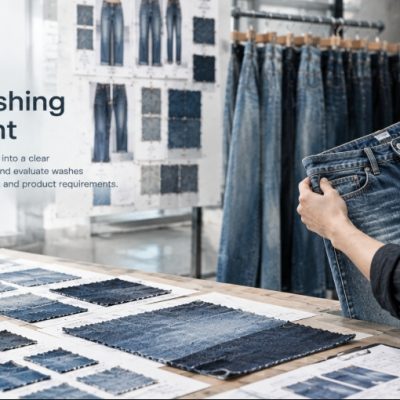
- 70% Regular Fit: Use this to generate consistent cash flow. Offer it in classic washes (Deep Indigo and Mid-Blue Enzyme Wash).
- 30% Loose Fit: Use this to build your brand’s “fashion authority.” Focus on vintage washes, hand-sanding, and heavy distressing to capture the premium streetwear market.
Why Choose Xinen Garment for Your Brand’s Production?
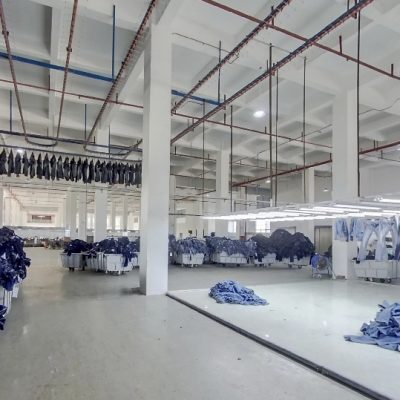
Located in the heart of China’s manufacturing cluster, we are a direct manufacturer specializing in international procurement and high-end denim customization.
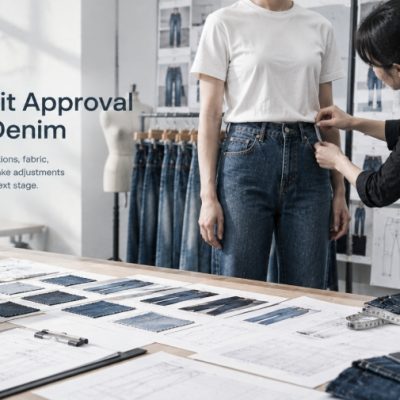
- Technical Fit Engineering: Our CAD pattern makers specialize in adjusting for fabric shrinkage, ensuring your Loose Fit doesn’t become “too baggy” after industrial washing.
- B2B Focused MOQs: We support private labels with practical Minimum Order Quantities (typically 100–300 pieces), allowing you to test both fits without massive inventory risk.
- E-commerce Ready Logistics: We handle FBA prep, including FNSKU barcoding and strict moisture-control packaging to ensure your goods arrive retail-ready.
- Global Export Expertise: We serve importers and wholesalers across Brazil, the UK, Chile, and beyond, providing transparent background checks and credit evaluations for our partners.
Frequently Asked Questions (FAQ)
Q: Which fit is better for a new Amazon brand?
A: Regular Fit is generally safer due to lower return rates. However, if you have a strong social media presence, a Loose Fit can command a higher price and offer better differentiation.
Q: Do I need different fabrics for these two fits?
A: Yes. Regular fits often benefit from a slight stretch (98% Cotton / 2% Elastane), while Loose fits perform better with 100% rigid cotton to maintain their wide silhouette.
Q: Can you help with Tech Packs for both fits?
A: Absolutely. We can reverse-engineer physical samples or sketches into technical CAD patterns ready for bulk manufacturing.
Q: What is the typical lead time for custom fits?
A: Sampling usually takes 10–15 days, and bulk production ranges from 30–45 days after the Pre-Production (PP) sample is approved.