For fashion startups, independent labels, and Amazon sellers, designing a denim jacket is the easy part. The real challenge hits when you send your Tech Pack to a manufacturer and run straight into the MOQ (Minimum Order Quantity) wall.
Many founders assume factories set high MOQs simply to force larger orders. In reality, MOQ is dictated by the physical limitations of industrial machinery, raw material minimums, and wet processing (washing) requirements. If you do not understand how a factory calculates these numbers, you risk draining your cash flow on dead inventory or settling for poor-quality white-label goods.
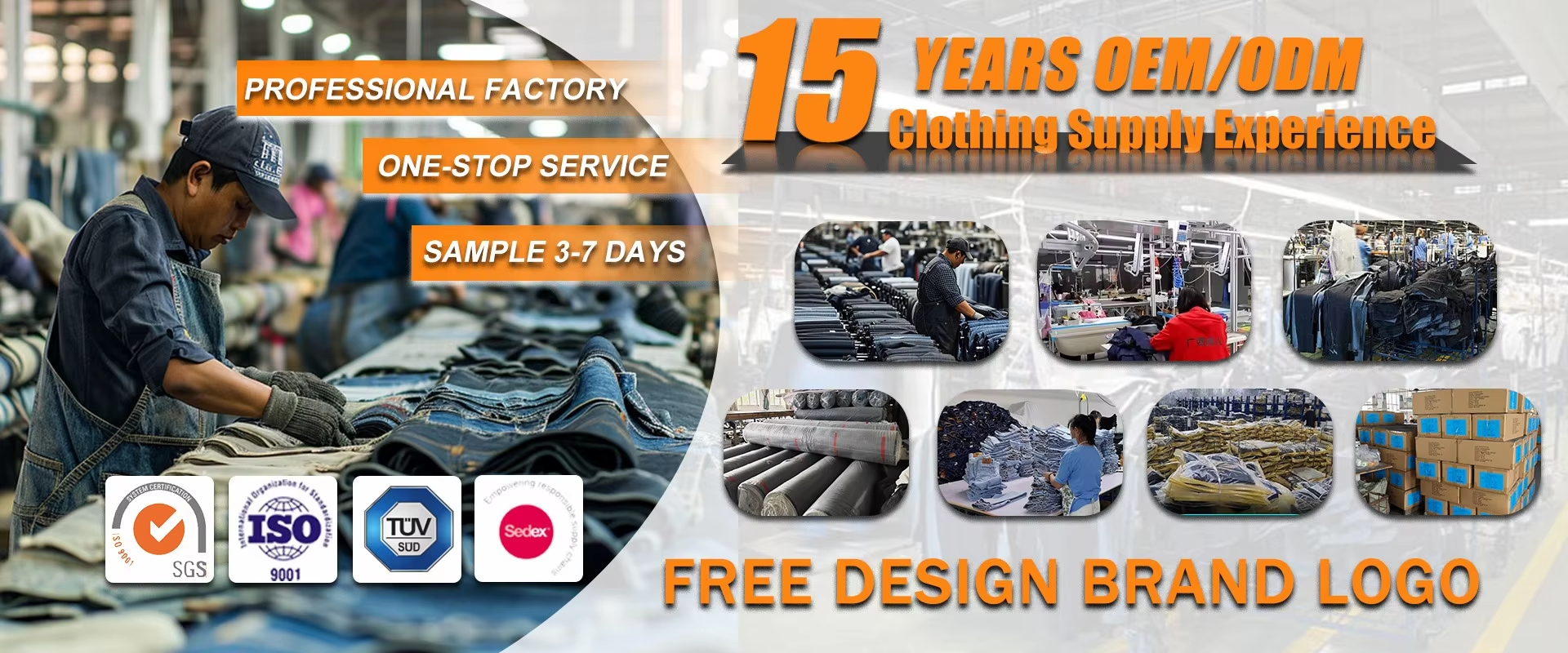
At Xinen Garment, we engineer custom outerwear for e-commerce and wholesale brands every day. Here is the factual, transparent guide to understanding and navigating denim jacket MOQs.
What Does MOQ Mean for Custom Denim Jackets?
MOQ (Minimum Order Quantity) is the absolute baseline number of garments a factory must produce to absorb the fixed setup costs of fabric sourcing, CAD pattern grading, hardware tooling, and industrial wash testing.
When you request a custom denim jacket, you are not buying a jacket off a shelf; you are renting an entire production line. For a startup, the goal is not to find a factory that promises a “10-piece MOQ” (which is usually a red flag for low-quality drop-shipping), but to find a factory that offers a scalable, realistic starting point for true custom manufacturing.
Why Is the MOQ for Denim Jackets Higher Than Basic Apparel?
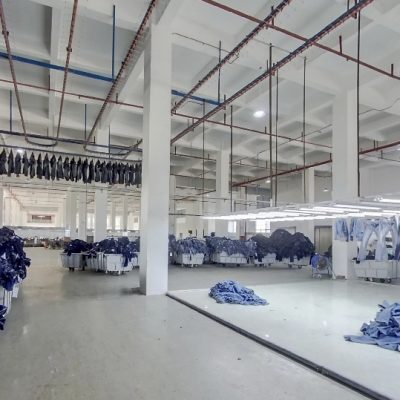
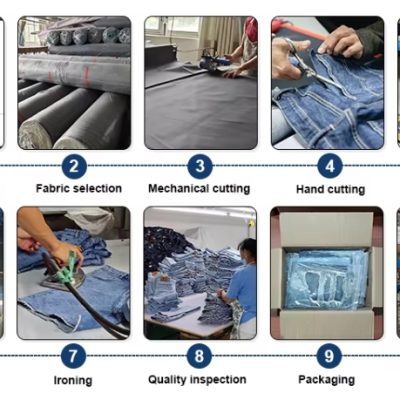
Denim jackets require heavy industrial machinery for cut-and-sew operations, high-temperature chemical wet processing, and custom hardware installation, whereas basic t-shirts only require simple knit sewing.
- The Wash Batch Reality: You cannot put just five jackets into an industrial pumice stone or enzyme washing machine. The massive washing tumblers require a minimum volume of garments to agitate correctly and create authentic vintage fades. This is why wash treatments heavily dictate the MOQ.
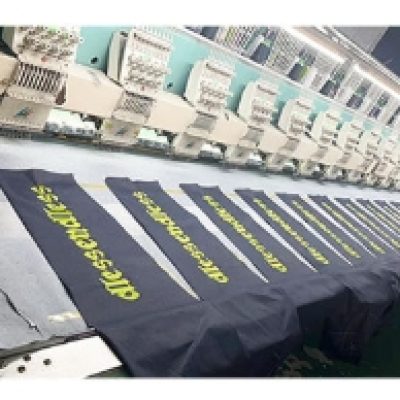
- Hardware Minimums: Custom brass shank buttons, rivets, and leather back patches usually require a mold fee and a 1,000-piece minimum from the raw material supplier.
- Fabric Roll Sourcing: Premium raw denim is sold in bulk rolls by fabric mills. A factory cannot buy just three yards of custom 13oz selvedge denim; we must buy the entire roll.
What Is a Realistic Starting MOQ for a Startup Brand?
A realistic and factory-direct MOQ for a fully custom denim jacket is typically 100 to 300 pieces per style and wash.
- The Sweet Spot: The 100-to-300 piece range is the industry sweet spot for e-commerce testing. It provides the factory with enough volume to run stable, repeatable wash recipes, while keeping the brand’s inventory risk low.
- The Cost Trade-off: Be aware that a 100-piece order will have a higher Cost Per Unit (CPU) than a 500-piece order. The fixed costs of developing the Pre-Production (PP) sample and grading the CAD patterns are spread across fewer units. However, paying slightly more per unit is vastly cheaper than paying warehouse storage fees for 1,000 unsold jackets.
How Can Startups Structure Their Orders to Lower the MOQ?
Startups can effectively manage their MOQ and lower their unit costs by consolidating their Bill of Materials (BOM) and reducing variations in their initial tech pack.
If you are a new brand trying to keep your first production run lean, use these factory-approved strategies:
- Consolidate the Fabric: Use one core fabric (e.g., a standard 12oz rigid cotton) for your entire collection. We can use that single bulk roll of fabric to cut 300 jackets, fulfilling the mill’s MOQ, even if you split those 300 jackets into different washes later.
- Limit the Wash Variations: Every unique wash recipe requires a separate setup. Sticking to one main wash (like a standard medium vintage wash) keeps production efficient and costs down.
- Standardize Trims: Use the exact same custom button and label on your denim jackets, jorts, and jeans.
Why Choose Xinen Garment for Your Outerwear Production?
Xinen Garment specializes in bridging the gap between premium denim manufacturing and the operational needs of modern e-commerce brands, importers, and wholesalers.
- Startup-Friendly MOQs: We offer a highly competitive starting MOQ of 100 pieces per style/wash, giving Shopify and Amazon brands the flexibility to test the market with real, custom-engineered garments.
- No Trading Company Fluff: You are communicating directly with the factory floor. This means transparent cost breakdowns, realistic timelines, and immediate technical feedback on your designs.
- FBA & 3PL Ready: We understand the strict packaging and barcoding requirements for Amazon FBA and third-party fulfillment centers. We handle the final-mile prep so your inventory is ready to sell upon arrival.
- Consistent Wet Processing: Our advanced wash lab ensures that the sample you approve is exactly what you receive in bulk, eliminating the “batch inconsistency” nightmare.
Frequently Asked Questions (FAQ)
Q: What is the usual MOQ for custom denim jackets?
A: For a legitimate, custom-cut-and-sew factory, the standard starting range is 100 to 300 pieces per style and wash. Extremely low MOQs (under 50) usually indicate white-labeling (sewing your tag on pre-made stock).
Q: Can I mix sizes within the 100-piece MOQ?
A: Yes. A 100-piece order typically includes a standard size run (e.g., S, M, L, XL) distributed according to a ratio you provide, rather than 100 pieces of just one size.
Q: Why is denim jacket MOQ higher than basic apparel?
A: Because denim manufacturing involves complex, multi-stage production steps, including specialized pattern grading, hardware molding, and industrial washing/distressing, all of which require minimum batch volumes to operate efficiently.
Q: Can sample fees be deducted from bulk orders?
A: At Xinen Garment, yes. We charge a standard development fee for creating the patterns and physical PP samples. A portion or all of this fee is typically deducted from your final invoice once a qualifying bulk order is placed.
Q: What is the best first style for a startup?
A: A simple, stable Type II or Type III trucker jacket with one standard wash (like a clean rinse or light enzyme wash) and standard trims is the safest, most cost-effective starting point to test your market.