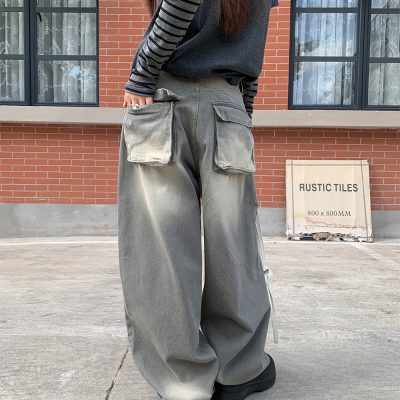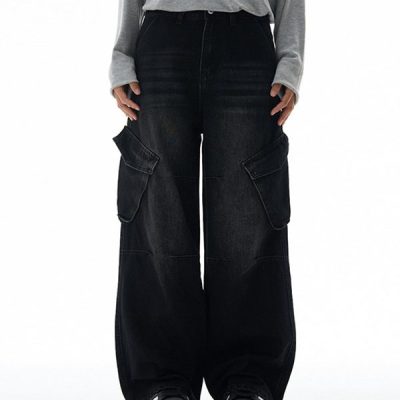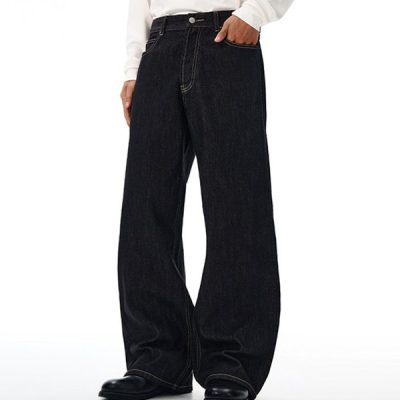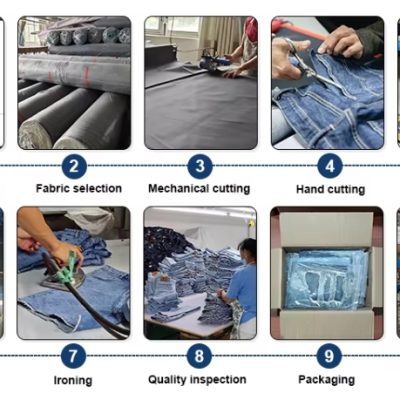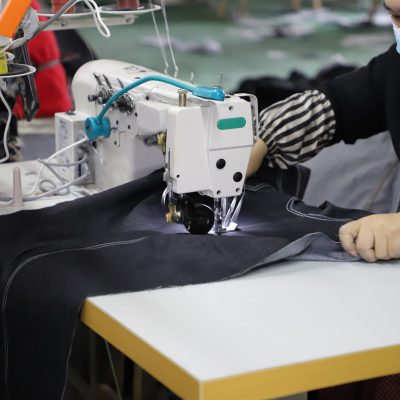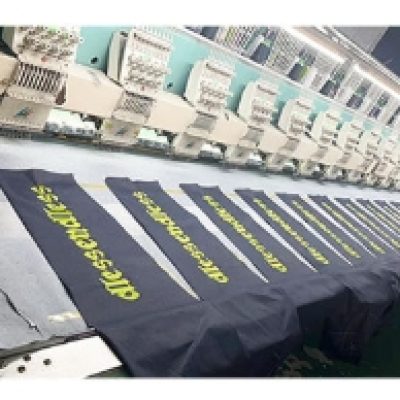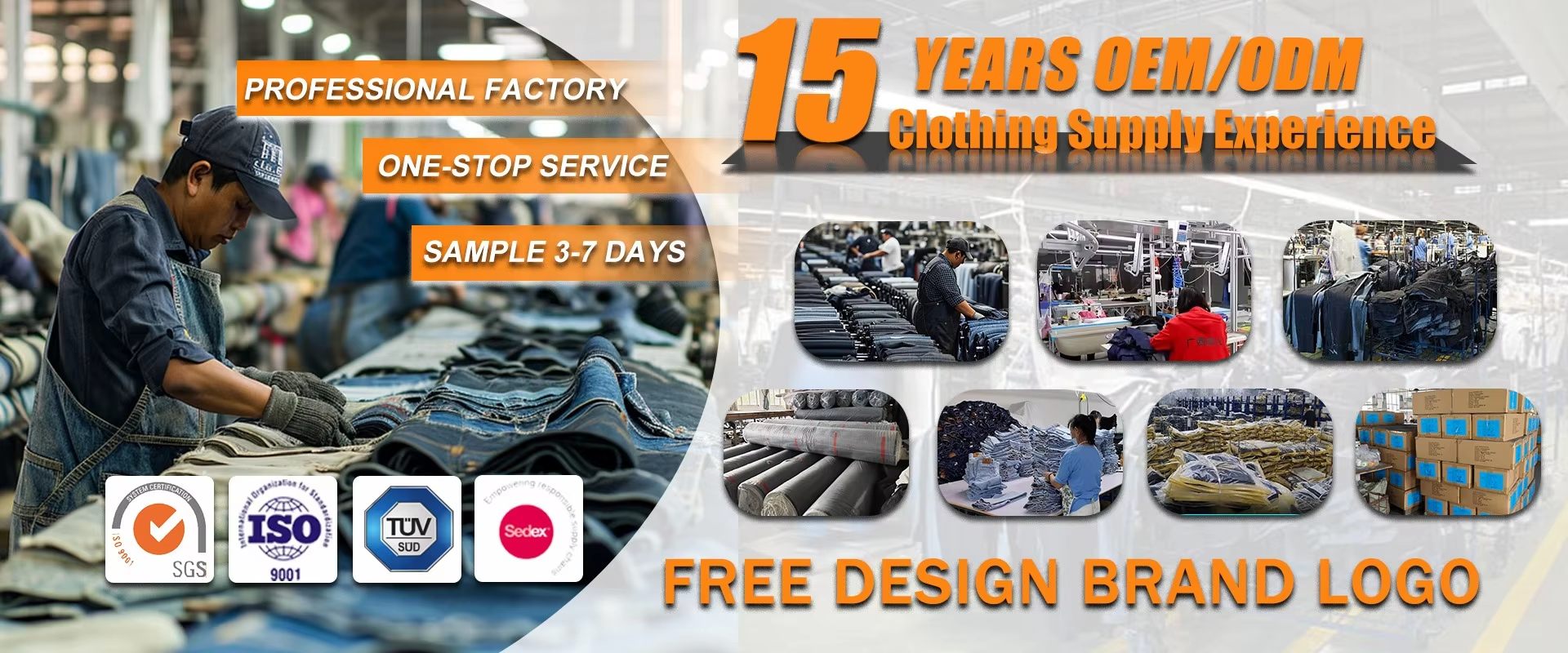
Vintage wash denim jackets have firmly re-established themselves across all retail tiers, from fast-fashion platforms to premium independent labels. This is not a sudden trend spike; it is a stabilized market shift driven by consumer demand for lived-in textures, muted tones, and day-one comfort.
For clothing brands, particularly those scaling through Amazon FBA, Shopify, or B2B wholesale channels, vintage wash styles represent a highly practical SKU. They allow brands to meet modern aesthetic demands without overcomplicating the product development cycle.
Here is the factory-floor guide to understanding, developing, and manufacturing vintage wash denim jackets for your modern brand.
What Defines a True Vintage Wash Denim Jacket?
A vintage wash denim jacket is defined by industrial wet processing treatments designed to create a softened hand feel, faded coloration, and a worn-in appearance without compromising the fabric’s structural integrity.
“Vintage” does not mean old or second-hand. On the manufacturing side, we achieve this look through precise techniques:
- Enzyme Washing: Uses ecological enzymes to eat away at the indigo dye, softening the fabric and creating a slight, even fade.
- Stone Washing: Introduces pumice stones into the industrial tumblers to physically abrade the fabric, resulting in a highly textured, heavily worn surface.
- Over-dyeing: Applying a secondary garment dye (often earthy or muted tones) over the washed denim to create uneven, vintage-inspired colorways.
- Localized Distressing: Manual hand-sanding or laser treatments to create whiskers and fade lines at high-friction areas, delivering a used look without physical damage.
Why Are Vintage Wash Jackets Dominating E-commerce?
Vintage wash jackets dominate e-commerce because they offer immediate wearability, visually appealing textures for product photography, and significantly lower return rates compared to stiff, raw denim.
For Amazon and Shopify sellers, this is a lower-risk product category:
- Zero Break-In Period: Consumers prefer “ready-to-wear” comfort. Stiff denim requires months to break in; a well-executed vintage wash feels comfortable from the moment the customer puts it on.
- Visual Depth: The texture and color variation of a vintage wash photograph exceptionally well, adding depth to online listings and increasing click-through rates.
- Reduced Sizing Issues: Because the heavy washing process pre-shrinks the garment at the factory level, customers face fewer sizing surprises and shrinkage issues after their first home wash, directly reducing your return rates.
How Do Brands Adapt Vintage Washes for Modern Fits?
Modern brands adapt vintage washes by applying heritage fading techniques to updated, contemporary silhouettes rather than strictly replicating historical garments.
For e-commerce sellers, consistency matters more than creating a highly unique, unrepeatable piece. Typical modern approaches include:
- Updating the Block: Applying vintage washes to current trend silhouettes, such as boxy, cropped, or oversized drop-shoulder fits.
- Strategic Fabric Blends: While 100% rigid cotton is traditional, many brands use 98% cotton / 2% spandex blends to maintain the worn appearance while significantly boosting mobility.
- Standardized Collections: Offering consistent wash recipes (e.g., Light Vintage, Medium Vintage) across different jacket styles to build a recognizable and repeatable product line.
What Are the Key Production Challenges for Vintage Wash Denim?
The primary production challenge for vintage wash denim is maintaining strict color consistency and managing fabric shrinkage across large-scale bulk manufacturing batches.
Vintage wash denim jackets are not just about appearance—they require highly stable and repeatable factory processes. Brands must carefully manage:
- Wash Consistency: Poor control in wet processing leads to batch inconsistency. Factories must use strict “Shade Bands” to ensure the bulk order matches the approved Pre-Production (PP) sample.
- Fabric Shrinkage: Heavy washing alters the garment’s dimensions. Patterns must be mathematically adjusted prior to cutting to account for specific wash-recipe shrinkage.
- Hardware Compatibility: Shank buttons, zippers, and rivets must be tested to ensure they do not oxidize improperly or get damaged during the aggressive stone-washing phase.
Why Choose Xinen Garment for Your Outerwear Production?
At Xinen Garment, we focus on practical, scalable denim production for brands that require consistency, flexibility, and premium quality. We do not overcomplicate designs; we help brands engineer denim jackets that sell consistently and match market expectations.
What we offer fashion importers and e-commerce brands:
- Stable Wash Development: Our wash lab strictly controls chemical and temperature variables to guarantee uniform color outcomes across your entire bulk order.
- Startup-Friendly MOQs: We offer a low Minimum Order Quantity starting from 100 pieces per style/wash, allowing you to test new vintage styles without massive inventory risk.
- Comprehensive Sampling: We provide detailed PP sampling to refine wash effects and fit before any bulk fabric is cut.
- E-commerce Expertise: We have extensive experience manufacturing and prepping goods for Amazon FBA sellers, Shopify brands, and global wholesalers.
- Reliable Timelines: We offer transparent production schedules, typically turning around bulk orders in 4–6 weeks depending on wash complexity.
Frequently Asked Questions (FAQ)
Q: Are vintage wash denim jackets still in style in 2026?
A: Yes. They are not a short-term trend but part of a permanent market shift toward relaxed, worn-in aesthetics. Search data for “vintage washed denim outerwear” shows stable, long-term growth.
Q: What is the difference between vintage wash and distressed denim?
A: Vintage wash focuses primarily on overall fading, color alteration, and fabric softening. Distressed denim specifically involves physical alterations like rips, fraying, or heavy grinding. We often combine both techniques based on the brand’s Tech Pack.
Q: Do vintage wash jackets shrink after the customer buys them?
A: No. If the factory executes the heavy washing processes correctly during manufacturing, the cotton has already reached its maximum shrinkage limit. The jacket will remain true to size for the consumer.
Q: Which fabric composition is better for vintage wash jackets?
A: 100% rigid cotton yields the most authentic, high-contrast vintage fades. However, a cotton-spandex blend is highly recommended if you are designing a slim or tailored fit to ensure customer comfort.
Q: Are vintage wash denim jackets suitable for premium brands?
A: Absolutely. By pairing a high-quality 12oz-13oz ring-spun denim with a complex, multi-stage vintage wash and clean internal seam finishing, the resulting garment easily sits in the premium retail segment.