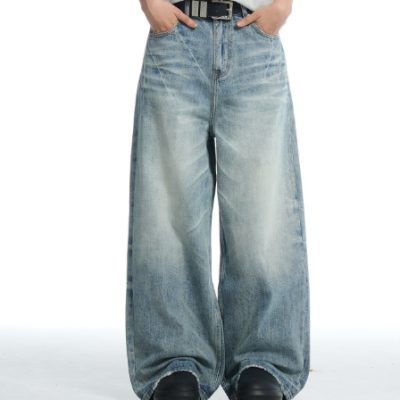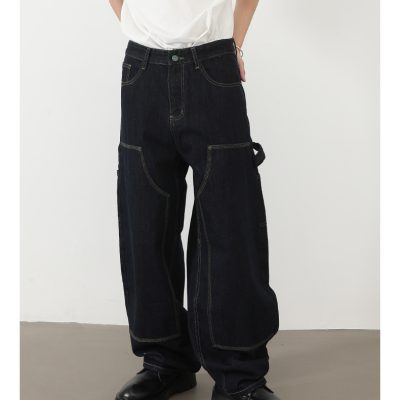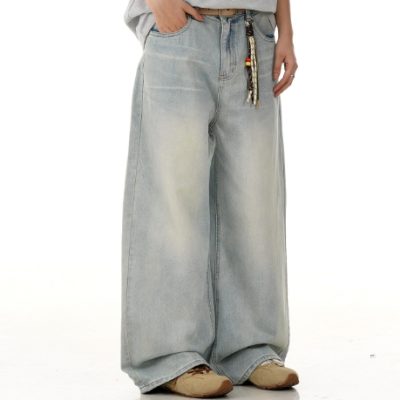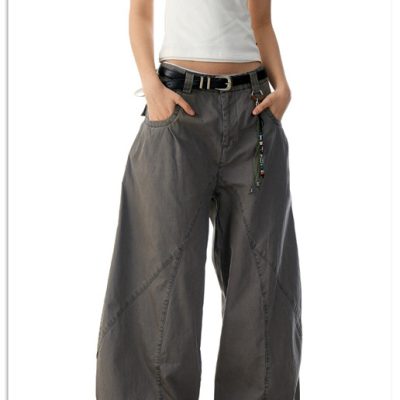
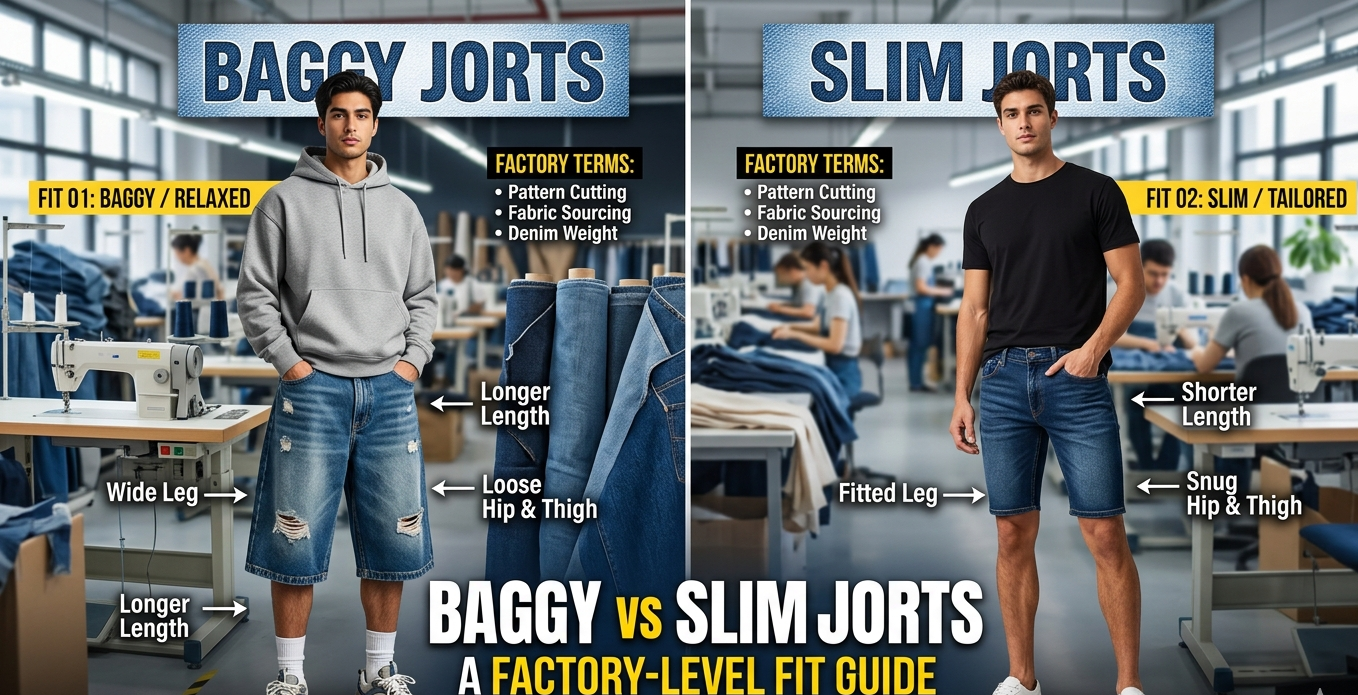
When a clothing brand adds denim shorts (jorts) to their summer Tech Pack, specifying the correct fit is the most critical decision. The market is currently split between the resurgence of voluminous, Y2K-inspired baggy silhouettes and the classic, tailored slim fit.
A common and costly mistake is assuming these two styles only differ in their measurements. On the factory floor, Baggy and Slim jorts are two entirely different technical garments. They require different CAD patterns, completely different fabric compositions, and specific wash limitations.
At Xinen Garment, our pattern engineering team builds both silhouettes for B2B clients daily. If you are developing a summer denim line, here is the factual, manufacturing-focused guide to choosing between baggy and slim jorts.
What Defines the Pattern Engineering of Baggy Jorts?
Baggy jorts require a completely custom CAD pattern characterized by an expanded thigh block, a lowered front rise, and a wide, straight leg opening that typically falls below the knee.
- The Silhouette: The goal is a heavy, relaxed drape that mimics 90s skater culture. You cannot achieve this by simply sizing up a standard pattern. If you only scale up the waist, the garment will fall off the wearer.
- The Factory Note: Our pattern makers engineer baggy jorts to fit true-to-size at the actual waistline while drastically widening the hips and thighs. We usually design the inseam to range from 11 to 14 inches, ensuring the hem sits distinctly below the kneecap.
Why Do Slim Fit Jorts Require Different Fabric Compositions?
Slim fit jorts must be manufactured using stretch denim blends—typically 98% cotton and 2% elastane—because a tailored fit cut from rigid denim will severely restrict functional movement.
- Fabric for Slim Fit: Slim jorts are tailored to sit closer to the thigh and usually feature a shorter inseam (7 to 9 inches, sitting above the knee). If you use 100% rigid cotton for a slim fit, the wearer will not be able to bend their legs comfortably or sit down without immense tension on the crotch seams. Adding 2% elastane provides necessary mobility and “day-one comfort.”
- Fabric for Baggy Fit: Conversely, baggy jorts demand structure. We strictly recommend 100% rigid cotton for baggy fits. If you use stretch denim for wide-leg shorts, the fabric will collapse, clinging awkwardly to the leg rather than maintaining the desired boxy, voluminous shape.
How Does Wash Shrinkage Differ Between Baggy and Slim Silhouettes?
Shrinkage rates vary drastically because baggy jorts rely on rigid cotton that reacts strongly to heavy washing, while slim jorts use elastane blends that are highly sensitive to industrial heat and chemicals.
- The Wash Reality: Baggy jorts (100% cotton) are often subjected to aggressive vintage washes or heavy pumice stone abrasion. This process can cause the fabric to shrink up to a full size in both width and length. We must digitally scale up your baggy patterns before cutting to counter this.
- Stretch Denim Limitations: Slim jorts containing elastane cannot withstand the most aggressive acid washes or extreme bleaching processes. High chemical concentrations and extreme industrial heat will literally melt the synthetic stretch fibers, causing the slim jorts to pucker and lose their elasticity permanently. Wash recipes for slim fits must be tightly controlled.
Can You Mix Hardware Sizes Between Baggy and Slim Fits?
While standard hardware sizes apply to both, baggy jorts often benefit visually from oversized or heavier hardware compared to the sleek finishes required for slim fits.
- Proportions: On a standard slim-fit short, a standard 17mm waist button and standard rivets work perfectly. However, for a heavy 12oz baggy jort, scaling up to an 18mm or 20mm shank button can balance the exaggerated proportions of the wide waistband and enlarged front pockets.
- Zipper Specs: A lowered front rise on a baggy pattern means the zipper fly must be lengthened accordingly. We use heavy-duty YKK brass zippers to handle the extra tension and fabric weight.
Key Takeaways
- Pattern Logic: Baggy fits need dropped crotches and 11-14 inch inseams; Slim fits need tailored thighs and 7-9 inch inseams.
- Fabric is Non-Negotiable: Use 100% rigid cotton (10oz-12oz) for Baggy jorts to maintain structure. Use stretch blends (98% Cotton/2% Elastane) for Slim jorts for mobility.
- Wash Limitations: 100% cotton can handle aggressive vintage washes; elastane blends require milder wash recipes to prevent fiber damage.
- Do Not Share Fabric Rolls: You cannot use the same raw denim roll to produce both a true Baggy and a true Slim fit collection.
Frequently Asked Questions (FAQ)
Q: What is the best fabric weight for both styles?
A: Regardless of whether you choose a rigid or stretch composition, we recommend a foundational weight of 10oz to 12oz for summer denim shorts. This provides durability without causing the wearer to overheat.
Q: Do I need a different Tech Pack for each fit?
A: Absolutely. Because the grading rules, fabric composition (BOM), and inseam measurements are entirely different, you must submit a separate Tech Pack for your Baggy style and your Slim style.
Q: Can Xinen Garment develop patterns for both styles?
A: Yes. If you provide reference photos or physical sample garments, our technical design team will reverse-engineer the fit and draft precise CAD patterns for both your baggy and slim designs.
Q: What is the MOQ to launch these styles?
A: We offer a low MOQ of 100 pieces per style/wash. This allows you to test both a baggy and a slim silhouette in your summer drop without taking on excessive inventory risk.