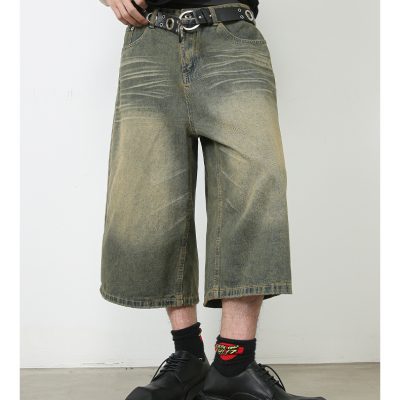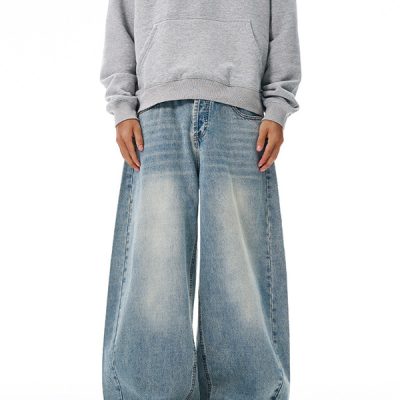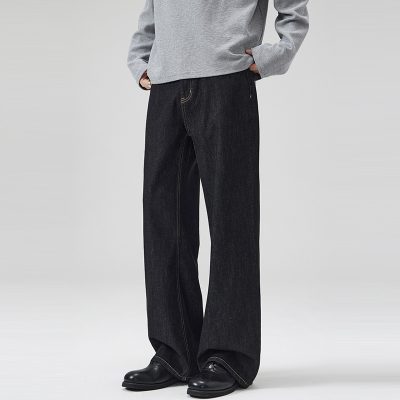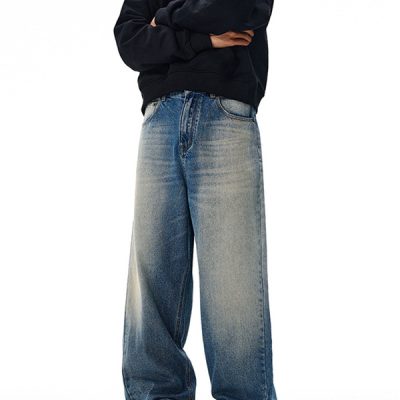
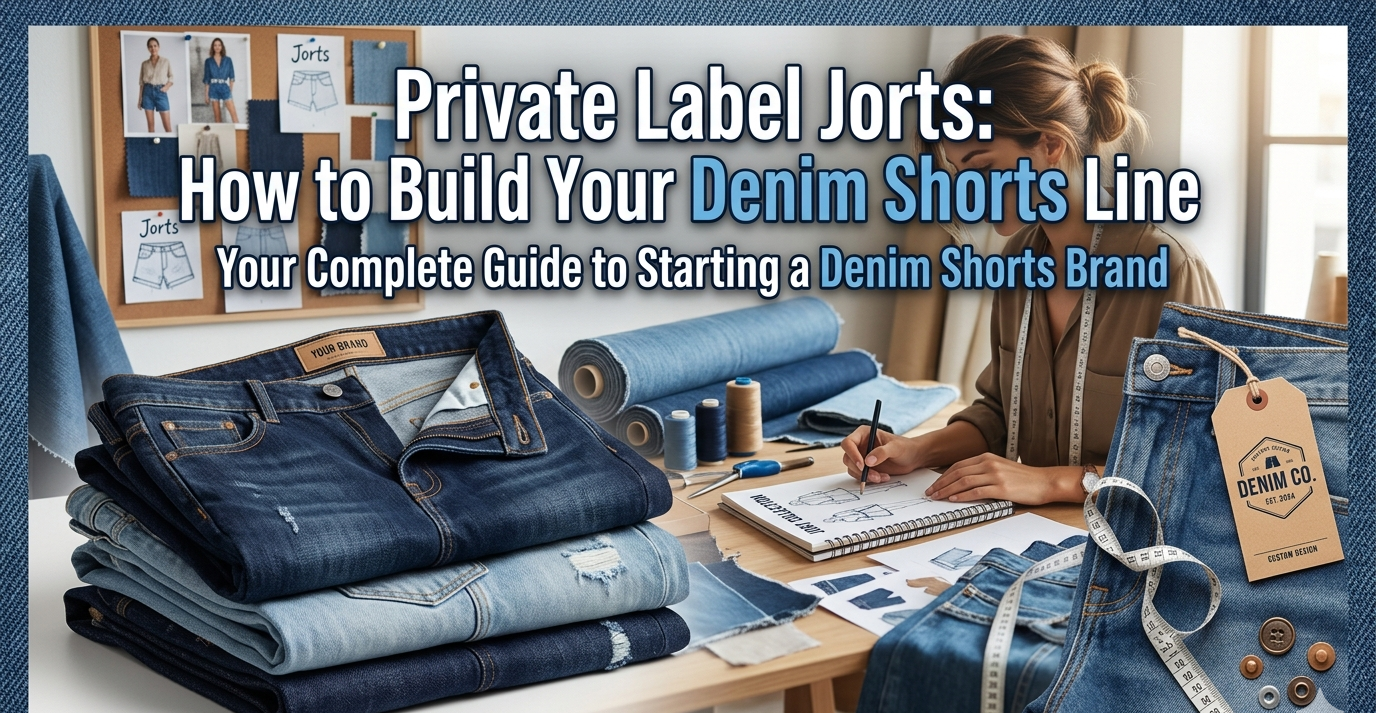
The resurgence of 90s and Y2K streetwear has brought “jorts” (denim shorts) back to the forefront of summer fashion. From oversized, baggy skater silhouettes to tailored, slim-fit styles, denim shorts are a mandatory category for any seasonal apparel collection.
A common misconception among startup founders is that manufacturing jorts is simply a matter of cutting the legs off standard jeans. On the factory floor, this approach guarantees a poorly fitting garment. At Xinen Garment, we engineer denim shorts from scratch, treating them as a completely distinct product line.
If you are looking to launch a summer collection, here is a factual, factory-level guide on how to build and manufacture a private label jorts line.
Why Is Pattern Grading for Jorts Different from Regular Jeans?
You cannot simply chop the bottom off a regular pants pattern to make good jorts. The human leg tapers, and if you cut a standard tapered jean at the knee, the resulting shorts will awkwardly hug the thigh and restrict movement.
- The Baggy/Oversized Fit: The current trend demands a wide, relaxed leg opening. To achieve this drape, our pattern makers design a custom CAD blueprint with a widened thigh block and a straight or slightly flared drop to the knee (or below the knee).
- The Inseam Ratio: The front and back rise measurements often need to be adjusted compared to full-length jeans to ensure the shorts sit correctly on the waist without sagging disproportionately at the crotch.
What Fabric Weight Is Best for Manufacturing Denim Shorts?
Because jorts are primarily a spring and summer garment, breathability is critical, but the fabric still needs enough structure to maintain its shape.
- The Optimal Range (10oz – 12oz): We strongly recommend a 10oz to 12oz denim for shorts. It is light enough to prevent overheating during summer but heavy enough to hold a wide-leg silhouette without collapsing like a thin shirt fabric.
- Fabric Composition: For authentic, vintage-style baggy jorts, 100% rigid cotton is the best choice. It absorbs wash processes beautifully. If you are designing a slim-fit or shorter women’s style, a blend of 98% Cotton and 2% Elastane is necessary to provide mobility.
How Do Factories Engineer the Perfect “Raw Hem” (Cut-Off) Look?
The heavily frayed, distressed “raw hem” is one of the most requested features for modern jorts, but it requires specific wet processing techniques so it doesn’t fall apart.
- The Wash Sequence: To get that authentic, blooming fray, we cut the denim panels to the exact length before the garment goes into the heavy enzyme and pumice stone wash. The industrial washing process naturally beats the raw edges, causing the cotton yarns to unravel and fray organically.
- The Factory Secret (The Stay-Stitch): To prevent the shorts from continuously unraveling every time your customer washes them at home, we sew a hidden “stay-stitch” (a straight line of matching thread) about 1cm to 1.5cm above the raw edge. The fabric will fray up to this stitch line and stop, ensuring longevity.
Do Denim Shorts Cost Significantly Less to Produce Than Jeans?
Yes and no. It is essential to understand the factory’s cost structure to accurately price your retail products.
- Lower Material Yield: Jorts require significantly less raw denim yardage per unit than full-length jeans. This reduces your material costs.
- Similar Labor Costs: The most labor-intensive parts of denim manufacturing are constructing the waistband, setting the zipper fly, attaching the pockets, and applying the hardware. These steps are identical whether you are making jeans or jorts. Therefore, the Cut & Sew labor cost is nearly the same.
- The Result: While your overall Cost Per Unit (CPU) will be lower than a pair of jeans, it will not be exactly half the price. Brands should leverage the high perceived value of custom washes to maintain strong profit margins.
Key Takeaways
- Custom Patterns are Mandatory: Never just “cut off” a jeans pattern. Jorts require specific wide-leg CAD patterns to drape correctly.
- Stick to 10oz-12oz: This weight balances summer breathability with structural integrity.
- Secure the Raw Hem: If designing cut-off jorts, ensure your factory uses a hidden stay-stitch to prevent excessive unraveling.
- Understand the CPU: Material costs are lower, but sewing labor remains high. Price your jorts accordingly to protect your margins.
Frequently Asked Questions (FAQ)
Q: Can I use the exact same fabric roll to make both jeans and jorts?
A: Yes. This is a highly efficient strategy. Buying one bulk roll of 12oz denim and splitting the production between long jeans and summer jorts helps you manage fabric MOQs and ensures color consistency across your collection.
Q: What is the MOQ for custom private label jorts at Xinen Garment?
A: We support growing brands with a low MOQ of 100 pieces per style/wash. This allows you to test the summer market without committing to massive inventory.
Q: Can you apply vintage washes and localized distressing to jorts?
A: Absolutely. The wet processing for jorts is identical to jackets and jeans. We can apply enzyme washes, hand-sand the thigh areas, and use lasers to create precise rips and distressed details.
Q: How long does it take to develop a Pre-Production (PP) sample?
A: Once we finalize your Tech Pack and confirm the fabric details, a standard PP sample typically takes 10 to 14 days to develop, cut, sew, and wash.