“How much does it cost to make a pair of denim shorts?” It is the first question every fashion importer, Amazon FBA seller, and private label founder asks. However, any factory that gives you a flat price without seeing your Tech Pack is simply guessing.
In denim manufacturing, cost is not a random number; it is a strict mathematical calculation based on your Bill of Materials (BOM), wet processing requirements, and production volume.
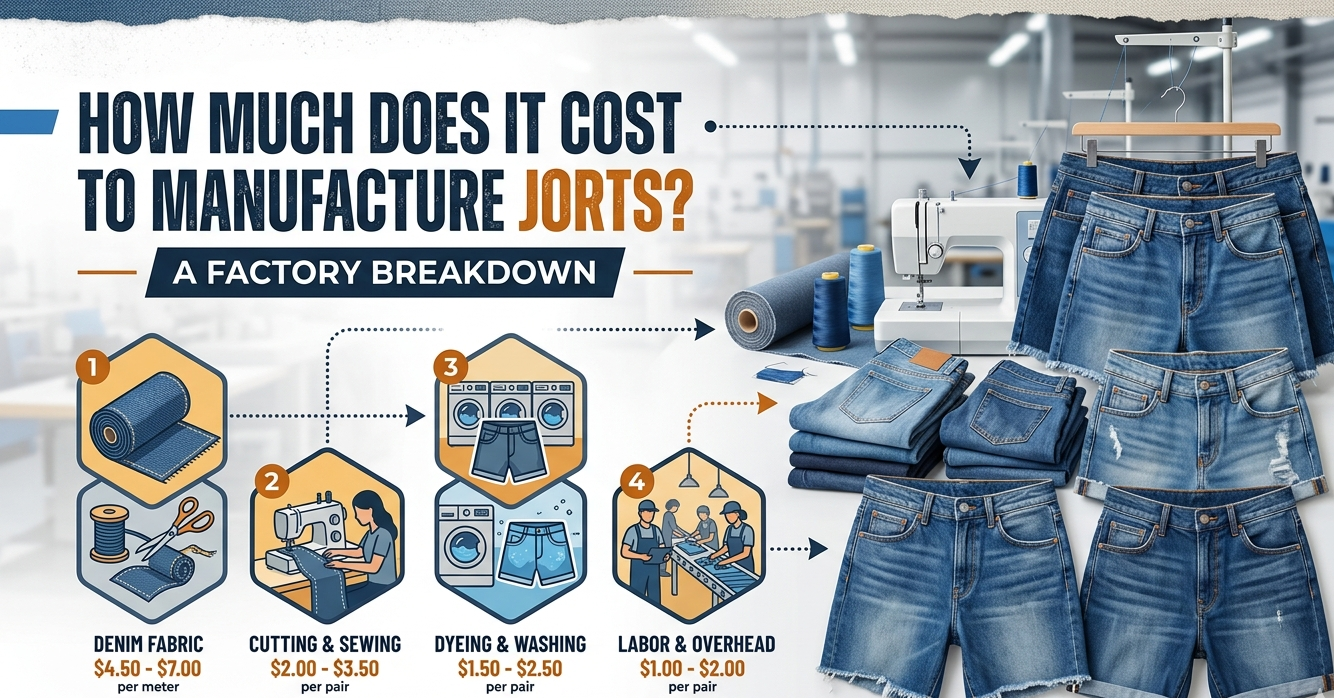
At Xinen Garment, we believe in radical transparency with our B2B clients. If you are budgeting for a summer streetwear or casual wear line, here is the factual, factory-floor breakdown of exactly what drives the manufacturing cost of jorts.
What Are the Main Factors That Determine Jorts Manufacturing Costs?
The Cost Per Unit (CPU) of custom jorts is dictated by fabric consumption, the complexity of the industrial wash process, custom hardware tooling, and cut-and-sew labor.
To budget accurately, you must understand these four pillars:
- Fabric (The Foundation): The weight (e.g., 10oz vs. 14oz), composition (100% rigid cotton vs. stretch blends), and quality (standard open-end vs. premium ring-spun) of the denim dictate the base material cost.
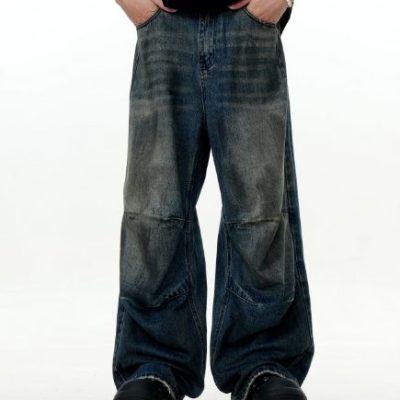
- Wet Processing (The Wash): A basic “clean rinse” is inexpensive. However, complex vintage washes, heavy pumice stone abrasion, and localized distressing (like hand-sanding or laser whiskering) require significant chemical usage, water, and highly skilled manual labor. The more distressed the jorts, the higher the cost.
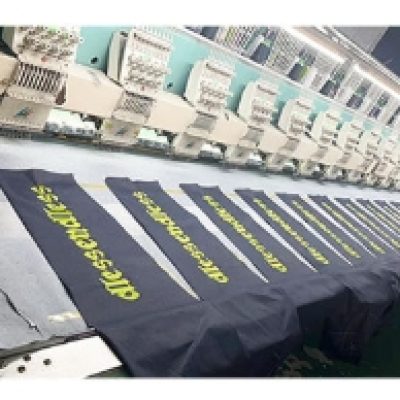
- Trims & Hardware: Standard blank buttons keep costs low. Custom logo-engraved brass shank buttons, copper rivets, vegan leather back patches, and custom woven labels require mold fees and add to the per-unit price.
- Labor Complexity: Sewing a basic hem is fast. Engineering a reinforced “frayed raw hem” with a hidden stay-stitch, or adding cargo pockets, increases the sewing minutes required per garment, thereby raising labor costs.
Are Denim Shorts Significantly Cheaper to Produce Than Jeans?
Yes, jorts are generally cheaper to manufacture than full-length jeans because they require lower fabric yields, but the savings do not equate to exactly half the price of a jean.
Many startups assume that because jorts cover half the leg, they should cost 50% less. This is mathematically incorrect on the factory floor:
- Material Yield: You do save money on raw fabric yardage.
- Labor Parity: The most labor-intensive operations in denim manufacturing are constructing the waistband, setting the zipper fly, attaching the belt loops, and sewing the front/back pockets. These exact same steps must be performed whether you are making a 32-inch inseam jean or a 10-inch inseam jort. Therefore, the cut-and-sew labor cost remains relatively high.
Why Do Low MOQ Orders Have a Higher Cost Per Unit?
Low Minimum Order Quantities (MOQ) carry a higher per-piece cost because the fixed factory setup fees—such as pattern CAD drafting, wash testing, and machine calibration—are distributed across fewer garments.
- The Setup Reality: Whether you order 100 pieces or 5,000 pieces, our technical team still has to digitize your patterns, run shrinkage tests, and formulate the chemical wash recipe.
- The Buyer’s Perspective: For Shopify and Amazon sellers, paying a slightly higher unit price for a 150-piece low MOQ order is often a much smarter business decision than locking up cash flow in 3,000 pieces of unproven inventory. You are paying a premium for risk mitigation. As your order volumes scale up, your unit cost will systematically drop due to mass-production efficiencies.
How Can Brands Reduce Production Costs Without Sacrificing Quality?
Brands can actively lower their manufacturing costs by consolidating their fabric choices, standardizing their hardware, and streamlining their wash recipes.
If you need to hit a specific target price, use these factory-approved strategies:
- Consolidate Your Fabric: Do not choose three different raw denims for three different styles. Buy one bulk roll of high-quality 12oz denim and use different wash recipes to create visual variety. This maximizes your purchasing power.
- Simplify the Wash: Swap out labor-intensive hand-sanding for a uniform, heavily automated enzyme stone wash.
- Standardize Hardware: Use one custom button design across your entire jacket, jeans, and jorts collection to easily hit supplier minimums and avoid split-mold fees.
- Approve Samples Swiftly: Excessive revisions to the Pre-Production (PP) sample drastically increase development costs and delay your time-to-market.
Why Choose Xinen Garment for Your Custom Denim Production?
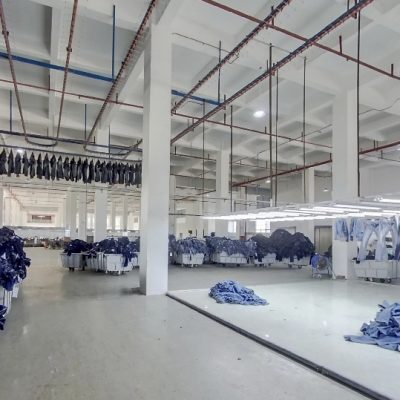
Xinen Garment is the direct manufacturing partner for fashion importers, private labels, and e-commerce brands that require controlled quality, transparent costing, and scalable production.
- Direct Factory Costing: No trading company markups. You get straight talk, realistic BOM breakdowns, and transparent pricing tiers based on your volume.
- E-Commerce Ready: We understand the strict margins and logistical requirements of Amazon FBA and Shopify sellers. We offer comprehensive final-mile prep, including SKU barcoding and poly-bagging.
- Flexible Scaling: We support startup testing with reasonable Low MOQs (starting at 100-300 pieces), but possess the heavy industrial infrastructure to seamlessly handle your 10,000+ piece wholesale reorders.
- In-House Wash Expertise: Our advanced wet-processing lab ensures that the vintage wash you approve on your sample matches exactly with your bulk delivery.
Frequently Asked Questions (FAQ)
Q: How much does it cost to manufacture jorts?
A: There is no universal flat rate. The final unit cost depends entirely on your fabric choice, wash complexity, custom hardware, and total order volume. Simple styles produced in bulk are highly cost-effective, while heavy vintage washes at low MOQs will carry a premium.
Q: Do I have to pay for sampling separately from bulk production?
A: Yes. Pattern making, fit sampling, and wash development require dedicated R&D time. Sample fees are charged upfront, though many factories (including Xinen) will deduct or refund a portion of this fee once a large bulk order is placed.
Q: What is the biggest hidden cost in denim manufacturing?
A: Freight, duties, and packaging. When calculating your final Landed Cost (the true cost of the garment sitting in your warehouse), you must budget for international shipping and import taxes, not just the factory’s base CPU.
Q: Can I get a better price by ordering in bulk?
A: Absolutely. Larger orders significantly reduce the unit cost because fabric mills offer bulk discounts, and the factory’s setup and development costs are amortized over thousands of units.