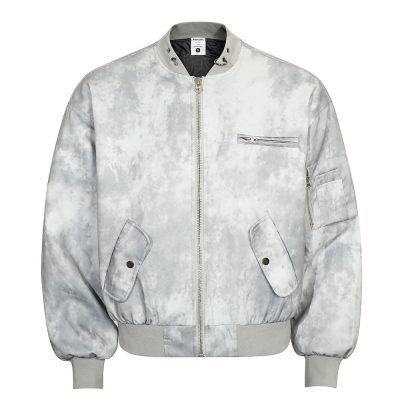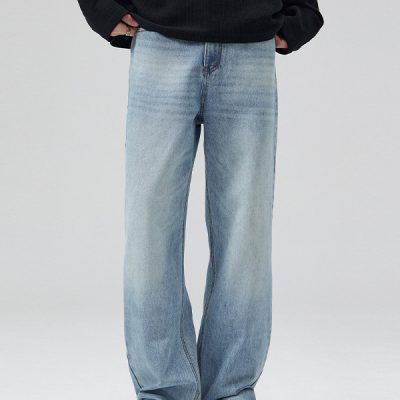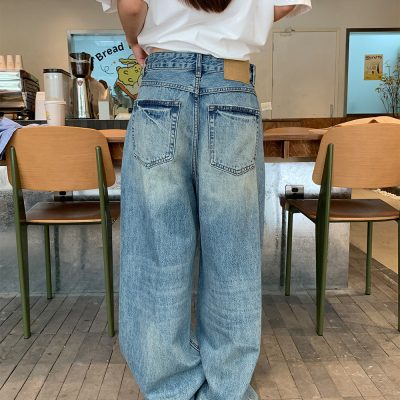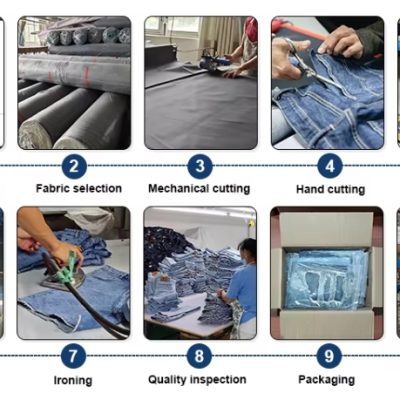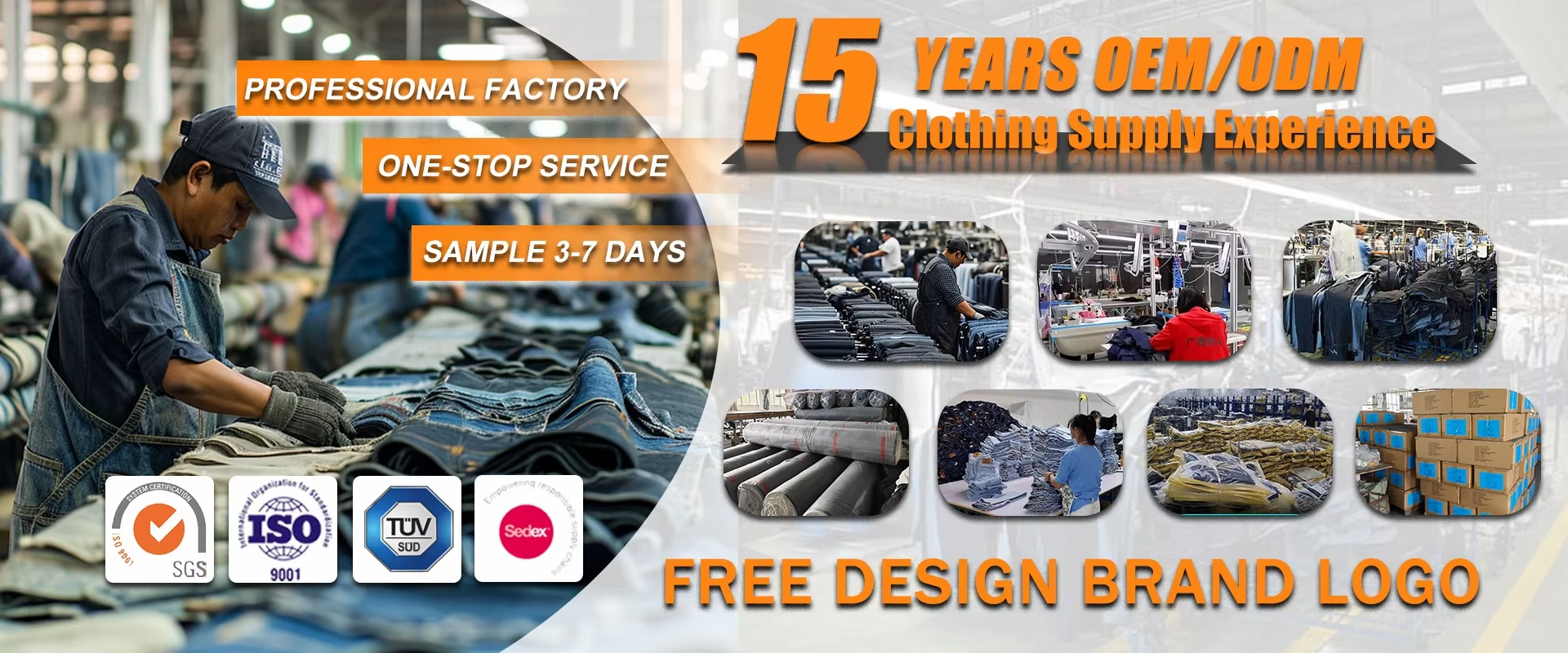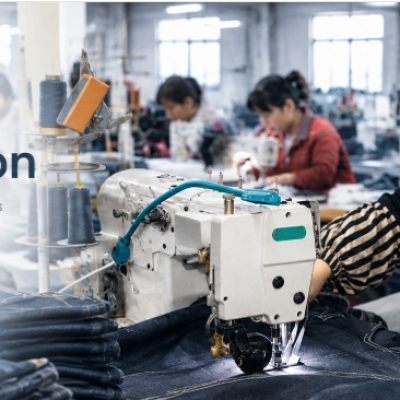
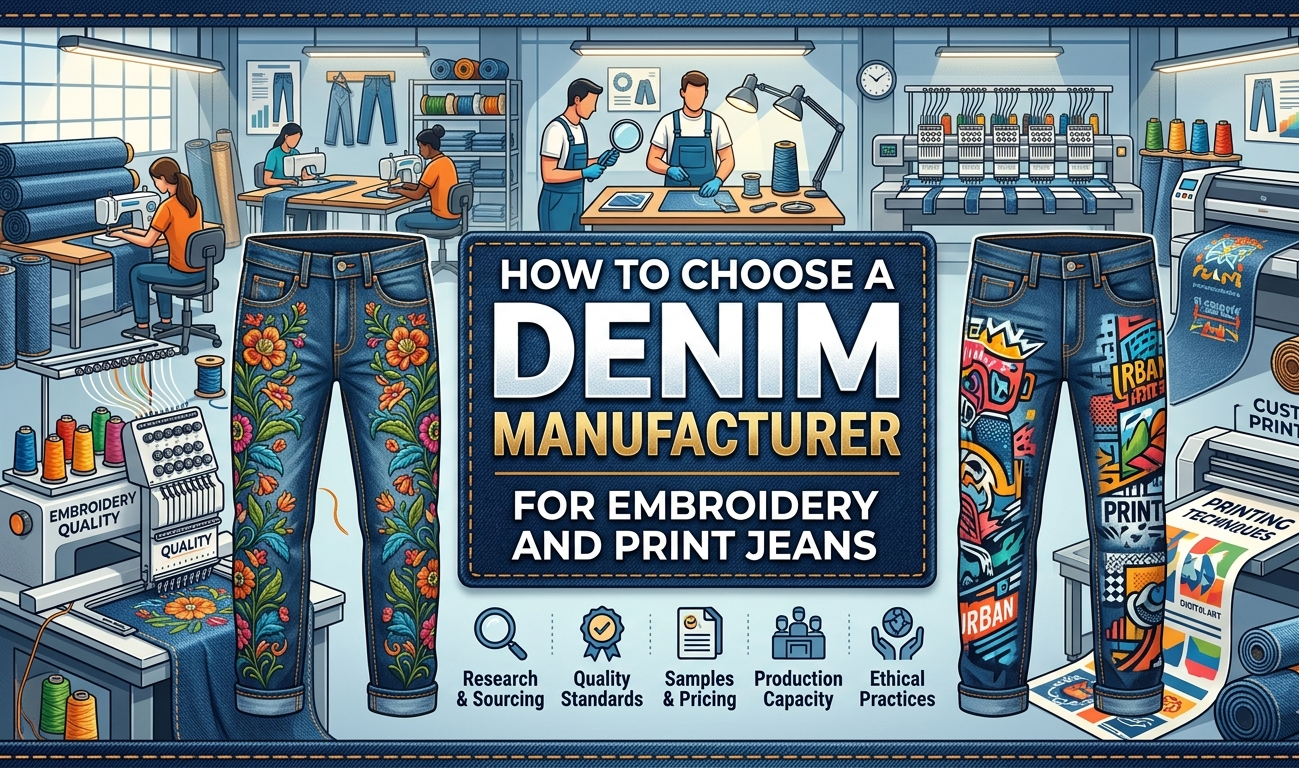
Adding custom embroidery, screen prints, or laser graphics to denim collections is an effective way for private labels and streetwear brands to differentiate their inventory. However, executing graphic embellishments on denim is significantly more complex than printing on a standard cotton t-shirt.
Denim is a heavy, textured twill textile that undergoes aggressive chemical and mechanical wet processing (such as stone washing, acid washing, or enzyme bleaching) after the garment is sewn. If your manufacturer does not perfectly synchronize the embellishment phase with the industrial wash cycle, your bulk shipment will suffer from warped embroidery, cracked prints, or severe indigo bleeding.
For clothing importers and high-volume fashion wholesalers, choosing the right production partner requires evaluating explicit technical capabilities. This guide establishes the baseline standards required to manufacture premium embroidered and printed denim.
Should Embroidery Be Applied to Flat Panels or Fully Assembled Jeans?
The sequencing of your manufacturer’s sewing floor determines whether your custom embroidery remains flat or suffers from structural puckering.
- Flat-Panel Embroidery Setup: Premium denim manufacturers apply embroidery to cut fabric panels before they are stitched into a three-dimensional garment. This allows the fabric to be locked perfectly flat into multi-head industrial embroidery hoops. Attempting to embroider a completed pair of jeans limits machine access, resulting in crooked placement and restricted design dimensions near seams or pockets.
- Thread Tolerance Under Industrial Washes: If your design requires a vintage stone wash or enzyme fade, the embroidery thread must be stitched prior to the wash. This means the factory must use high-tensile 100% polyester or poly-neon threads that resist bleaching and friction. Low-tier factories often use standard cotton threads, which fray, fade, or snap entirely when subjected to industrial laundry stones.
How Do Factories Prevent Ink Cracking and Dye Migration on Printed Denim?
Indigo dye is chemically unstable by design; it is meant to rub off and fade over time. However, this natural characteristic creates severe complications for screen printing and direct-to-garment (DTG) graphics.
- Eliminating Dye Migration: When white or light-colored inks are cured onto indigo-dyed fabric, the heat can cause the underlying indigo molecules to gas up and seep into the print. This turning a crisp white graphic into a muddy, washed-out blue—a defect known as dye migration. A qualified manufacturer prevents this by applying a specialized, low-cure anti-migration blocker or silicone underbase layer before printing your design colors.
- Mechanical Stretch Accommodations: Heavy denim (12oz to 14oz) expands and contracts during daily wear. To prevent thick plastisol prints from cracking across the twill lines, the factory must calibrate their ink formulation with elastic additives or shift to soft-hand water-based discharge inks, which pull the dye out of the fabric fibers rather than sitting on top of them.
Why Is Fabric Shrinkage Calibration Critical for Graphic Placement?
Because denim shrinks unevenly along the warp (lengthwise) and weft (widthwise) threads during its final wash cycle, static art placements will shift position if your manufacturer fails to employ precise CAD scaling.
- Proportional Scaling on Wide-Leg and Relaxed Fits: Modern silhouettes like men’s loose-fit jeans or utility jackets use expansive fabric panels. If a brand requests a print centered exactly across the thigh, the factory’s pattern engineers must calculate the exact shrinkage percentage using a 1×1 meter fabric swatch test prior to cutting.
- Preventing Structural Puckering: Fabric shrinks, but embroidery thread does not. If the factory over-tightens the stitch tension or fails to use a heavy-duty, water-soluble stabilizer backing behind the embroidery canvas, the denim surrounding the artwork will bunch up and wrinkle permanently after laundering.
Why Choose Xinen Garment for Your Embroidered and Printed Denim?
Xinen Garment operates a technically disciplined denim manufacturing facility in Foshan, China. We specialize in engineering premium, embellished denim apparel for global private labels, clothing importers, and fast-fashion wholesalers.
- Synchronized Production Flow: We do not outsource your prints or embroidery to unverified third-party workshops. Our pattern room, embroidery lines, and assembly floors operate under a unified production timeline, ensuring decorations are applied at the exact technical moment required by your wash recipe.
- Strict Tolerance Controls: We manage shrinkage systematically. By integrating pre-wash fabric data into our automated CAD marker systems, we guarantee that your embroidery or print graphics remain perfectly aligned, maintaining a strict commercial tolerance of +/- 0.5 inches on all critical dimensions.
- Industrial-Grade Durability: We utilize advanced multi-head embroidery systems and chemical-resistant, colorfast polymers. Whether your brand scale requires clean high-density street-art embroidery or distressed vintage printing, our bulk outputs retain their structural shape and graphic clarity through commercial distribution and consumer laundering.
Frequently Asked Questions (FAQ)
Can you execute custom embroidery across an open side-seam or pocket?
To preserve structural integrity, embroidery should be completed on the flat panel before the pocket or side-seam is joined via heavy double-chain stitching. If a design must cross a completed seam, we adjust stitch density and utilize heavy-duty needles to eliminate thread breaks and needle deflection over thick fabric layers.
What digital artwork files do we need to provide for production?
For custom printing, we require high-resolution vector files (AI, PDF, or EPS format) with specified Pantone color codes. For custom embroidery, providing native embroidery files (such as DST or EMB format) accelerates the sampling process, though our in-house digitization team can convert standard vector artwork manually.
How do your printed graphics hold up against aggressive acid or stone washes?
If your tech pack specifies a highly abrasive wash finish, we recommend utilizing laser engraving or chemical discharge printing, which structurally alters the fabric tone rather than applying surface ink. For traditional screen prints, we deploy specialized elasticized inks cured at precise temperatures to withstand stone friction.
What is the minimum order quantity (MOQ) for custom embellished denim jackets and jeans?
Our production minimums are systematically structured based on fabric availability and machine setup efficiency. By standardizing core denim weights across multiple styles, we help private labels optimize their purchasing footprint while maintaining access to advanced industrial embellishment lines.