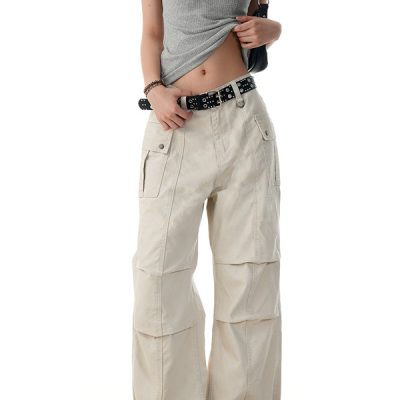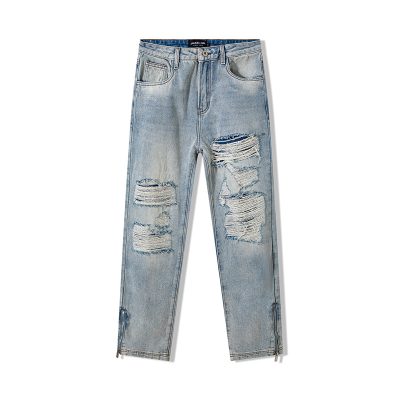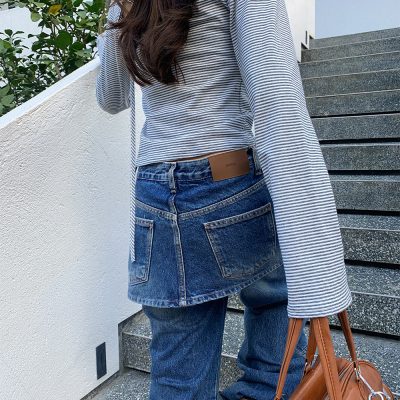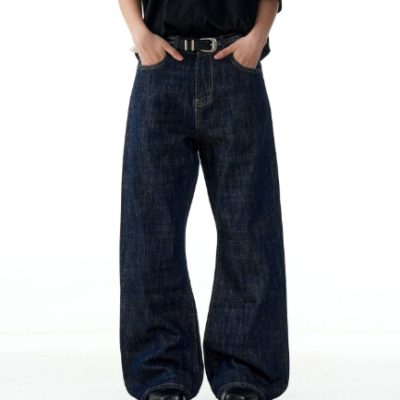
Launching a new denim collection requires navigating technical production parameters that do not exist in standard knit or soft-woven apparel. Because denim is a heavy, raw twill fabric that undergoes aggressive wet and dry mechanical processing after it is stitched, a brand’s design patterns must account for high volatility in fabric behavior.
For emerging private labels, fashion startups, and clothing importers entering the denim space, selecting a manufacturing partner is the single most critical supply chain decision. Miscalculating fabric shrinkage, wash behavior, or structural tolerances will result in distorted fits, inconsistent color gradients, and unsellable inventory. This guide breaks down the essential technical realities new brands must understand before signing a factory contract.
Why Does Denim Manufacturing Differ from Standard Garment Production?
Unlike a standard cotton t-shirt or dress that is cut and sewn from pre-shrunk, finished fabric, a pair of premium jeans is fundamentally shaped by post-assembly industrial laundering.
- The Post-Sewing Transformation: Jeans are typically sewn using raw indigo fabric. Once assembled, the completed garments are sent to specialized wash facilities to achieve their final texture, color depth, and distressing (such as enzyme washes, stone washes, or ozone fading).
- The Shrinkage Equation: During these high-temperature wash cycles, denim fabric contracts sharply along its warp (lengthwise) and weft (widthwise) threads. Standard denim can shrink anywhere from 3% to over 10%. Consequently, a factory cannot cut fabric according to your final retail size spec chart. Instead, pattern engineers must scale up the cutting patterns using calculated shrinkage calculations to ensure the jeans contract down to the exact target measurements after washing.
How Do Fabric Weight and Stretch Impact Your Tech Pack Specifications?
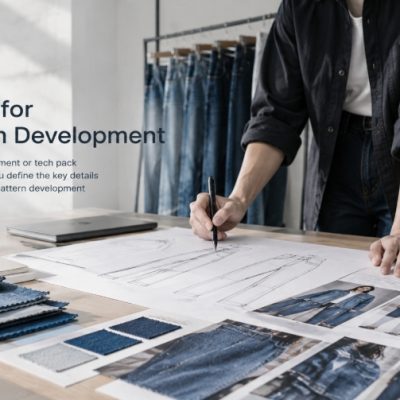
When building your initial tech packs, choosing the wrong fabric composition or fabric weight (measured in ounces per square yard, or oz) will completely alter how your design drapes, fits, and wears.
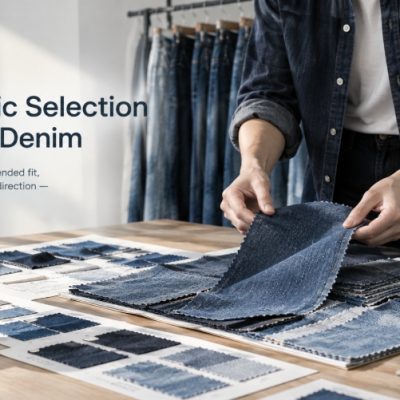
- Rigid vs. Stretch Denim: Rigid 100% cotton denim (typically 12oz to 14oz for premium street wear) provides authentic structure and vintage fade potential but has zero give. If you are designing slim or skinny fits, you must source denim blended with elastane or spandex (usually 1% to 3%). Elastane degrades under extreme heat, meaning the factory must carefully calibrate their curing ovens and drying cycles to avoid ruining the stretch recovery.
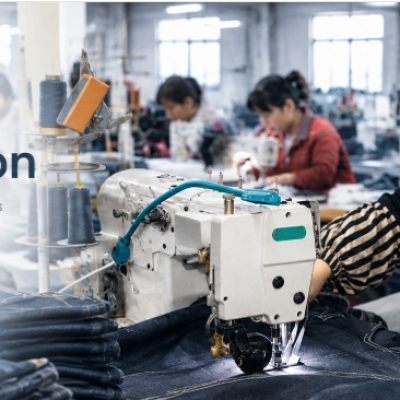
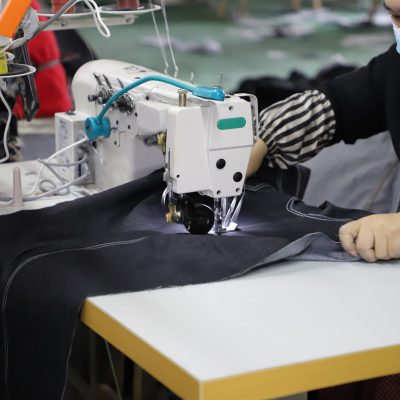
- Weight Categorization: Light weights (4oz to 9oz) are reserved for summer shirts and light dresses. Mid-weight denim (10oz to 11oz) works well for women’s relaxed jeans and lightweight jackets. Heavyweight denim (12oz to 15oz+) is preferred for men’s structured straight-leg, wide-leg, or utility cargo styles. Heavy fabrics require industrial machines with dual-differential feeds and high-torque needles to pierce through multiple overlapping seam layers without breaking threads.
What Common Pitfalls Occur During the Industrial Washing Phase?
The industrial wash is where your design’s character is established, but it is also where low-tier manufacturing processes fail. New brands frequently encounter two major production defects if their supplier lacks precise laboratory control:
- Dye Bleeding and Migration: Indigo dye naturally sheds. If the factory fails to execute a proper chemical fixing and neutralizing wash post-laundry, the remaining dye will rub off excessively on consumer skin, furniture, and white sneakers—a defect known as crocking. Furthermore, if your design features white embroidery or light-colored screen prints, un-neutralized indigo will bleed directly into the decoration threads during the wash.
- Hardware Oxidation and Fabric Tearing: The rivets, shanks, and zippers you select must withstand hours of mechanical friction inside heavy industrial washing drums filled with pumice stones or enzymes. Low-grade zinc or iron hardware will rust, chip, or oxidize, turning green or brown. Additionally, if the pocket corners are not properly reinforced with heavy bar-tack stitching or true metal rivets, the stress of the stones will tear the fabric panels away from the seams.
Why Choose Xinen Garment for Your Denim Brand’s Launch and Scaling?
Xinen Garment operates a high-end denim apparel manufacturing facility in Foshan, China. We specialize in engineering premium denim jeans, jackets, and utility apparel for global private labels, fast-fashion importers, and wholesale distributors who require strict execution from development to bulk delivery.
- Accurate CAD Grading and Pattern Engineering: We eliminate fit discrepancies before the fabric meets the cutting knife. Our full-time pattern engineers run test-wash swatches on every incoming fabric lot to establish unique shrinkage percentages. We build custom digital grading matrices tailored directly to your target market’s sizing standards (US, UK, EU, or AU), holding a strict bulk commercial tolerance of +/- 0.5 inches.
- Integrated Supply Chain Protection: We handle the complex relationship between fabric properties and wet wash chemistry under one managed workflow. Whether your collection calls for heavyweight 14oz loose-fit cargo jeans or complex embroidered denim jackets, we ensure that thread selections, print formulations, and hardware trims are fully engineered to survive aggressive wash treatments intact.
- Transparent B2B Production Standards: We work directly with brands to mitigate supply chain risks. Xinen Garment maintains open communication with your sourcing team, provides verifiable material sourcing logs, and completely welcomes third-party quality control inspections (such as SGS, Intertek, or QIMA) prior to container loading.
Frequently Asked Questions (FAQ)
What is the minimum order quantity (MOQ) for a new denim brand starting production?
Our minimum order quantities are structured systematically based on fabric availability and production line efficiency. Standardizing your fabric across multiple fits (e.g., using the same 12oz rigid indigo fabric for both a straight-leg jean and a denim jacket) allows you to optimize your production footprint while meeting industrial machinery setup requirements.
How do we ensure that custom-branded buttons and leather patches do not degrade in the wash?
We source high-grade, corrosion-resistant hardware—such as solid brass, stainless steel, or premium die-cast zinc alloys—tested to endure intensive industrial laundry cycles. For waist branding, we utilize colorfast, high-density genuine leather, sugarcane-based jacron, or heat-stabilized synthetic alternatives that do not shrink, warp, or crack under high-temperature drying.
Can Xinen Garment replicate wash finishes from an existing physical reference sample?
Yes. Our laundry technicians analyze physical vintage samples to reverse-engineer their specific wash formulas. By assessing the grain lines, hand-sanded whisker positions, and indigo shade levels under standardized D65 light enclosures, we convert your visual references into a repeatable digital wash program for bulk execution.
How long does the sampling and pattern-making phase typically take?
Developing a complete proto sample usually takes 7 to 14 working days, depending on the complexity of the wash finish and the availability of the base fabric. This timeframe includes CAD pattern generation, fabric shrinking tests, sewing construction, post-assembly wash styling, and final quality control review.