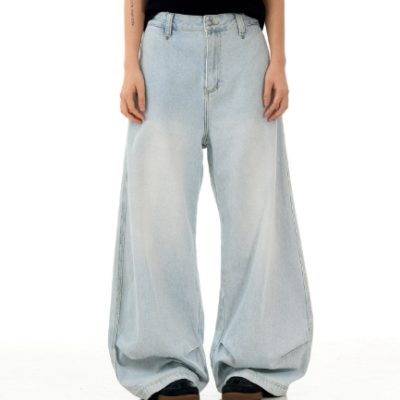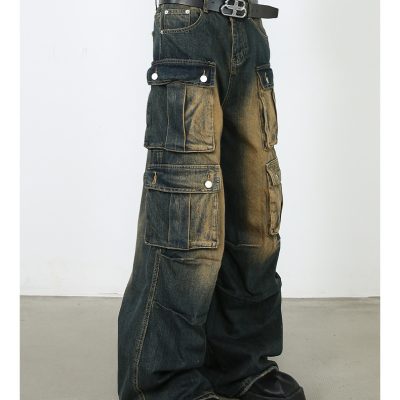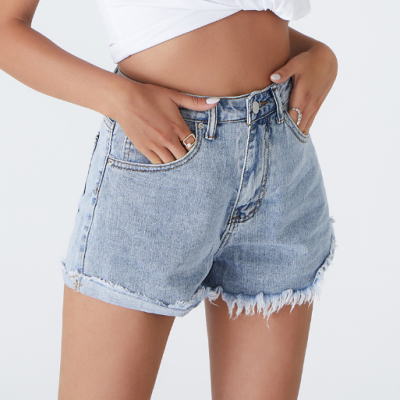
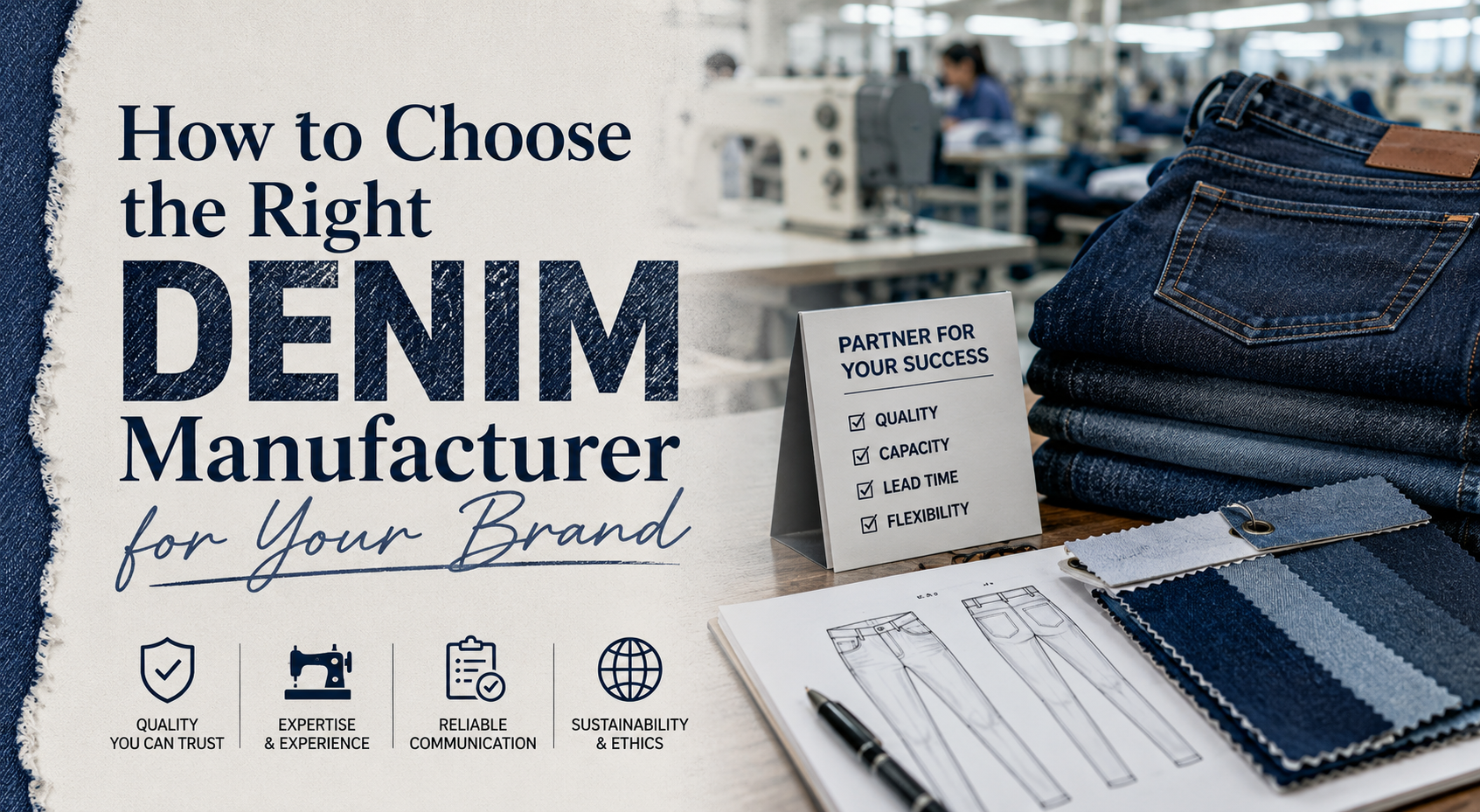
Sourcing a reliable denim manufacturer involves analyzing production capabilities that extend far beyond standard apparel manufacturing. Denim is an exceptional textile because it is heavily modified after assembly. The quality, fit, and appearance of a finished pair of jeans depend entirely on a factory’s ability to balance precise cutting, heavy-duty assembly, and complex wet-chemistry laundry processes.
For private labels, fashion wholesalers, and apparel importers, choosing an unverified supplier leads to systemic defects: skewed outseams, cracked hardware, and unpredictable shrinkage that compromises retail sizing. This guide details the objective technical benchmarks required to evaluate a commercial denim manufacturer.
How Do You Evaluate a Factory’s Physical Denim Production Infrastructure?
Many apparel factories claim they can manufacture denim, but standard garment machinery cannot handle heavy twill weaves over long production runs. A specialized denim facility must own and operate dedicated industrial equipment.
- Heavy-Duty Seaming Machinery: Look for factories equipped with specialized dual-differential feed machines for flat-felled inseams and outseams. Standard lockstitch machines fail to pierce through multiple layers of folded 12oz to 14oz fabric, resulting in uneven stitch spacing or broken needles that ruin fabric panels.
- Automated Pocket and Rivet Setting: High-volume consistency requires automated pocket-setters and programmable bar-tacking machines. Manual rivet placement often leads to loose hardware that detaches during consumer wear, whereas automated hydraulic riveting systems ensure permanent attachment through high mechanical pressure.
- Stitch-Per-Inch (SPI) Controls: Premium denim typically demands a precise stitch density of 7 to 9 stitches per inch. Lower-tier manufacturers increase stitch length to save thread and speed up production lines, which weakens the seams and causes fraying during industrial washing cycles.
Why Must You Audit a Manufacturer’s Industrial Wash and Laundry Integration?
The raw, rigid indigo fabric sewn on the production floor is completely transformed during the wet processing stage. If your supplier lacks strict oversight of their industrial laundry partnership, your bulk shipment will exhibit severe color and texture defects.
| Wash Capability | Technical Requirement | Structural Impact on Bulk Orders |
| Chemical Dosing Control | Automated digital dosing valves for enzymes, bleach, and softeners. | Manual dosing causes color shading variations between individual production batches. |
| Temperature Regulation | Calibrated extraction and drying cylinders with precise heat tracking. | Overheating breaks down elastane fibers, permanently destroying stretch recovery in stretch jeans. |
| Neutralization Protocols | Multi-stage anti-chlorine and pH-neutralizing rinses post-bleach. | Inadequate neutralization causes fabric to rot, turn yellow, and emit chemical odors. |
| Colorfastness Verification | Pre-bulk testing protocols to evaluate wet and dry crocking resistance. | Poorly fixed indigo rubs off excessively on retail packaging, footwear, and upholstery. |
How Does the Factory Control Dimensional Shrinkage Across Size Runs?
Because raw denim shrinks significantly during its first industrial wash—often by 3% to 10% depending on whether it is a rigid cotton or a polyester-elastane blend—the pattern room must employ rigorous data scaling.
- Lot-Specific Swatch Testing: A reliable manufacturer tests every incoming fabric roll lot by washing a 1-meter by 1-meter sample square under actual bulk wash parameters. The exact shrinkage across both the warp (vertical) and weft (horizontal) yarns is recorded.
- CAD Pattern Adjustments: The measured shrinkage percentages are uploaded directly into CAD pattern-grading software. The digital cutting markers are systematically expanded so that when the large, pre-washed pieces are stitched and laundered, they contract down precisely to the brand’s final size specifications. If a factory uses a generic, static shrinkage estimate across different fabric lots, your size 32 jeans may arrive measuring like a size 30 or a 34.
Why Choose Xinen Garment as Your B2B Denim Manufacturer?
Xinen Garment operates a high-end denim apparel production facility in Guangxi, China. We build direct, technically transparent supply chains for international private labels, fashion fast-movers, and commercial wholesalers.
- Integrated Technical Management: We maintain total control over both the sewing engineering and the industrial wash execution. This synchronized approach ensures that design details—such as placement embroidery, screen prints, and pocket layouts—are perfectly calculated to survive the mechanical stress of industrial laundry processes.
- Absolute Sizing Consistency: Our pattern room utilizes advanced CAD grading software integrated with real-time fabric shrinkage testing logs. We guarantee a strict manufacturing tolerance of less than or equal to 0.5 inches across all bulk size categories, ensuring your fits remain uniform from sample approval to final delivery.
- Direct Commercial Accountability: We do not route your orders through third-party trading agents. When you source with Xinen Garment, you partner directly with the factory floor managers. We provide clear documentation, verifiable material logs, and open access for independent third-party quality inspections (such as SGS or Intertek) prior to container shipment.
Frequently Asked Questions (FAQ)
How do you prevent pocket linings from twisting or bunching up after the wash?
We use high-density, preshrunk cotton-poly pocketing fabrics that match the shrinkage rate of the outer denim shell. Additionally, our sewing floor utilizes reinforcing bar-tacks at all critical tension points to anchor the pocket panels securely inside the garment structure.
Can your factory accommodate specialized modern fits like loose utility cargo jeans?
Yes. Our CAD pattern engineering team builds accurate technical specifications for complex silhouettes, including men’s wide-leg cargo styles, drop-shoulder denim jackets, and oversized streetwear fits, ensuring balanced weight distribution across all panels.
What metrics does Xinen Garment use to ensure color consistency across a 1,000-piece order?
We evaluate wash batches under standardized D65 light enclosures to check color tone continuity. We keep bulk shading variations within a strict international 4-to-5 gray scale rating, preventing noticeable color shifts between separate delivery boxes.
What is the process for securing custom branded button shanks and rivets?
We coordinate with certified hardware manufacturers to create custom-molded zinc-alloy or brass trims bearing your brand logo. We run these components through continuous 24-hour salt-spray tests to confirm they will not rust, tarnish, or chip during industrial washing or retail transport.