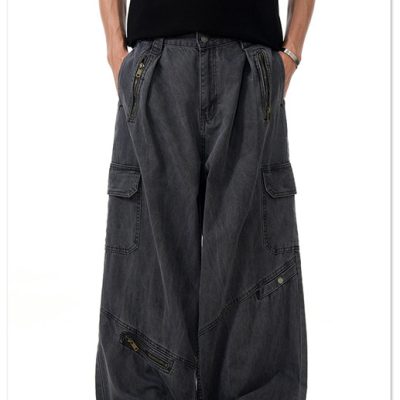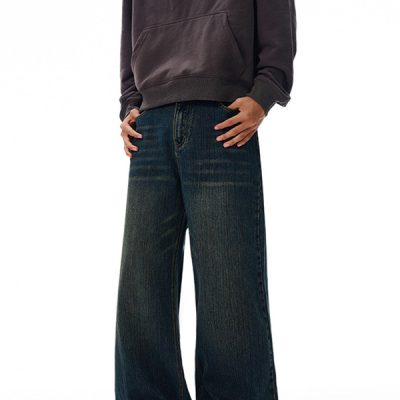
The wide-leg jean has evolved from a niche trend into a permanent fixture in modern fashion. However, for private labels, wholesalers, and e-commerce brands, there is a fine line between a relaxed, premium silhouette and a garment that simply looks baggy and poorly constructed.
When trying to elevate the perceived value of wide-leg denim, the common mistake is “overdesigning”—adding unnecessary cargo pockets, excessive distressing, or complex paneling. In reality, a premium look is achieved through restraint. It relies entirely on fabric quality, structural pattern engineering, and refined wash techniques. Here is a technical guide to developing high-end wide-leg jeans with a minimalist approach.
Why Does Fabric Weight Dictate the Premium Feel?
The foundation of any high-end garment is the textile. In wide-leg denim, the fabric must do the heavy lifting to maintain the shape of the silhouette.
- The Weight Requirement: Lightweight fabrics will cling to the leg and wrinkle easily, making the garment look cheap. To achieve a clean, structured drape that falls perfectly from the hip to the hem, specify a mid-to-heavyweight denim, ideally between 10oz and 14oz.
- Fabric Composition: While a small amount of stretch (1-2%) can be used for comfort, 100% cotton rigid denim is the standard for a premium aesthetic. Rigid denim holds its shape throughout the day and ages more gracefully, developing a natural character that high-end consumers expect.
How Can Pattern Engineering Prevent a Sloppy Silhouette?
A premium wide-leg jean is not just a scaled-up straight leg. If the pattern is not engineered correctly, the excess fabric will pool awkwardly, ruining the clean lines of the design.
- Securing the Top Block: The secret to a premium wide fit is contrast. The waist, hips, and upper seat must remain relatively tailored. By keeping the “top block” structured, the wideness of the leg appears intentional rather than oversized.
- The Transition Point: The widening of the pattern should begin smoothly from the lower hip or mid-thigh.
- Clean Inseam Proportions: The hem opening must be calculated alongside the inseam. A premium look usually involves a hem that breaks cleanly over the shoe without excessive stacking or dragging, which requires precise length grading across different sizes.
Which Wash Finishes Offer a High-End Aesthetic?
Distressing has its place in streetwear, but a truly premium, minimalist jean relies on subtle, controlled wash finishes. Heavy bleach or artificial-looking whiskering immediately lowers the perceived value of the product.
- Clean Rinses and Over-Dyes: A raw indigo rinse or an over-dyed black finish creates a sleek, uniform appearance. This allows the structural silhouette of the wide leg to stand out, making the jeans suitable for both casual and elevated styling.
- Controlled Enzyme and Stone Washes: If a vintage look is desired, it must look authentic. Utilizing precise enzyme or light stone washes can soften the 12oz-14oz fabric and create natural highs and lows along the seams without compromising the structural integrity of the denim panels.
What Role Do Hardware and Stitching Play in Minimalist Design?
When you strip away heavy distressing and extra pockets, the construction details become the focal point.
- Stitch Density and Thread Color: High-end denim utilizes a higher stitch-per-inch (SPI) count, ensuring seams look refined and secure. Tonal stitching (matching the thread color to the denim) is a proven way to achieve a sleek, modern, and expensive look.
- Custom Hardware: Standard, shiny hardware can distract from a minimalist design. Opt for matte, oxidized, or custom-branded shank buttons and rivets. These subtle details signal high manufacturing standards to the consumer.
Why Choose Xinen Garment for Premium Denim Production?
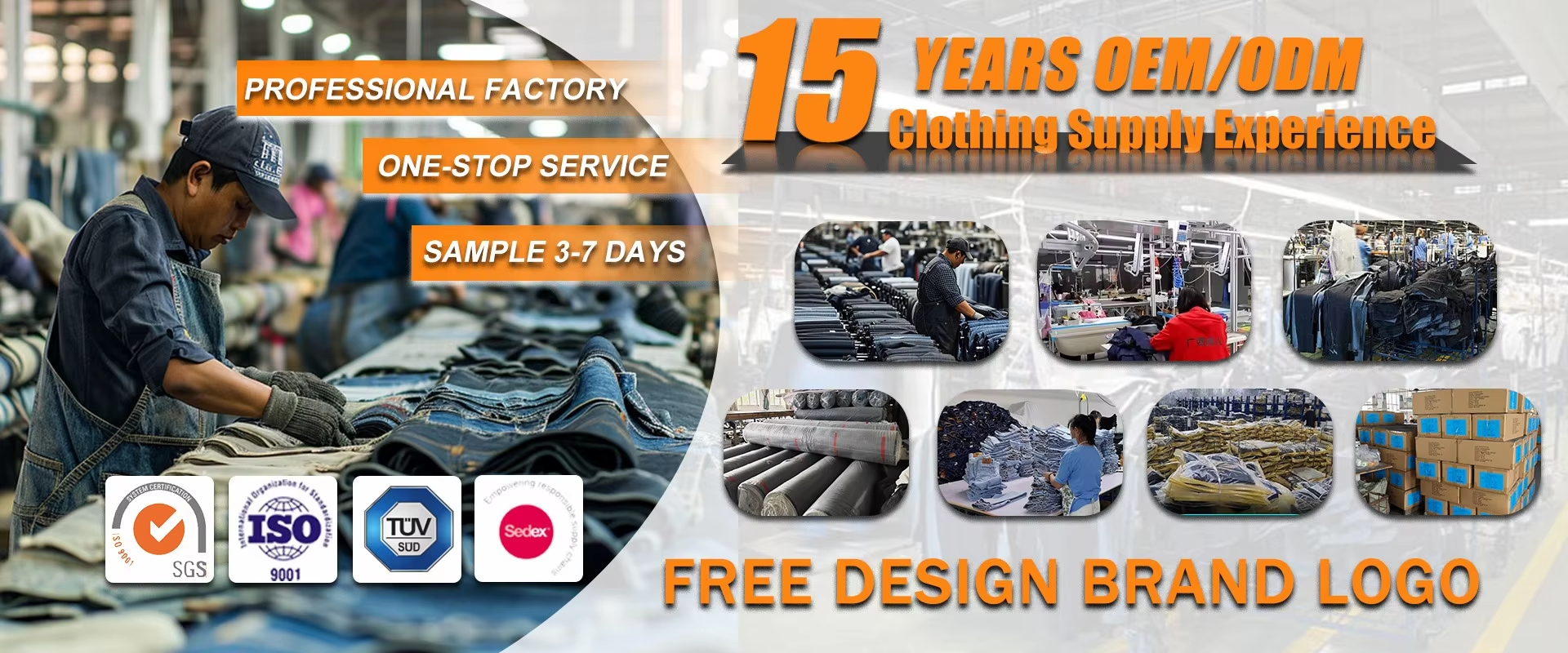
Producing high-end, minimalist denim requires a factory that focuses on precision rather than shortcuts. Xinen Garment is a dedicated, professional denim manufacturing facility in Foshan, specializing in translating premium B2B tech packs into flawless bulk production.
- Pattern Grading Expertise: We understand the geometry of the wide-leg silhouette. Our technical team ensures the transition from a tailored waist to a wide hem is perfectly graded across your entire size run, maintaining the premium drape.
- Wash Control: We do not rely on aggressive, fabric-damaging techniques. Our wash facility masters controlled enzyme and stone washes, ensuring exact color matching and minimal shrinkage variance so your bulk order matches your approved sample exactly.
- Direct B2B Manufacturing: We partner exclusively with apparel importers, private labels, and fashion brands. By managing everything from sourcing premium 10oz-14oz fabrics to final quality assurance, we deliver a product that elevates your brand’s reputation.
Frequently Asked Questions (FAQ)
Can we use our own branded hardware for minimalist designs?
Yes. Custom hardware is crucial for private labels. We can source or apply your custom-molded shank buttons, copper rivets, and leather back-patches to ensure your brand identity is clearly communicated.
How do you ensure the 100% cotton denim doesn’t shrink excessively after washing?
We conduct rigorous shrinkage testing on all fabric rolls before bulk cutting. We calculate the exact shrinkage rate of the chosen wash recipe and adjust the initial pattern dimensions accordingly, ensuring the final garment meets your size chart.
What is the minimum order quantity (MOQ) for custom wide-leg styles?
We structure our MOQs to support commercial brands and wholesalers. Please reach out to our team with your tech packs and projected volumes, and we will provide a competitive, scalable production plan.
How long does it take to develop a sample for a clean-rinse wide-leg jean?
Sample development typically takes 7 to 14 days once the fabric and tech pack are confirmed. Because clean rinses require less complex distressing, we can often execute these samples very efficiently.