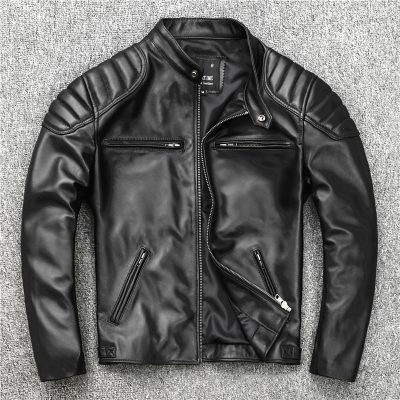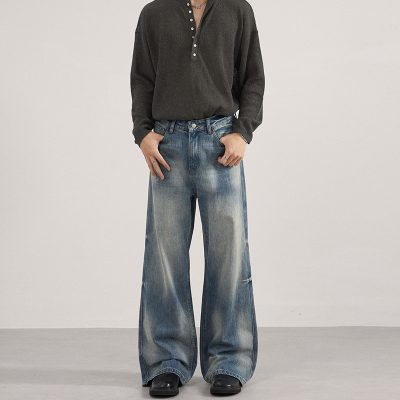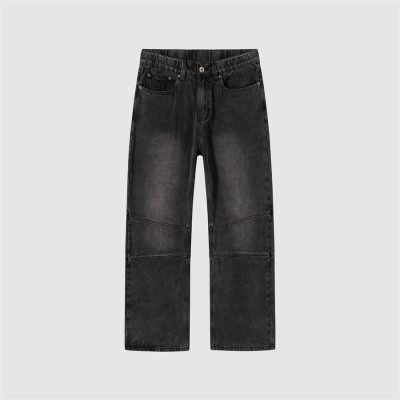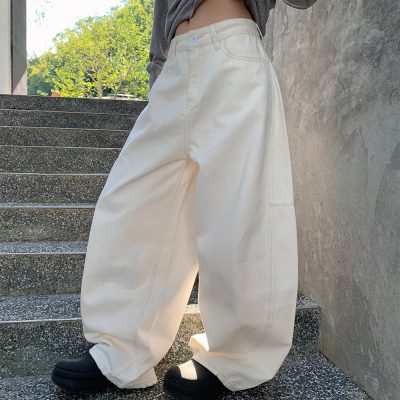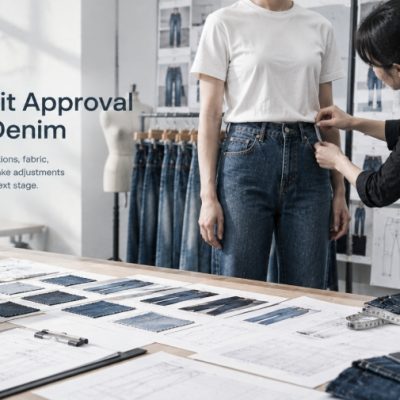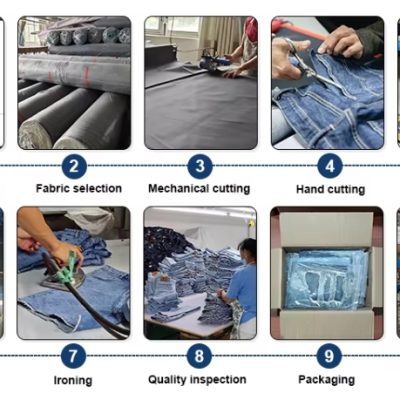
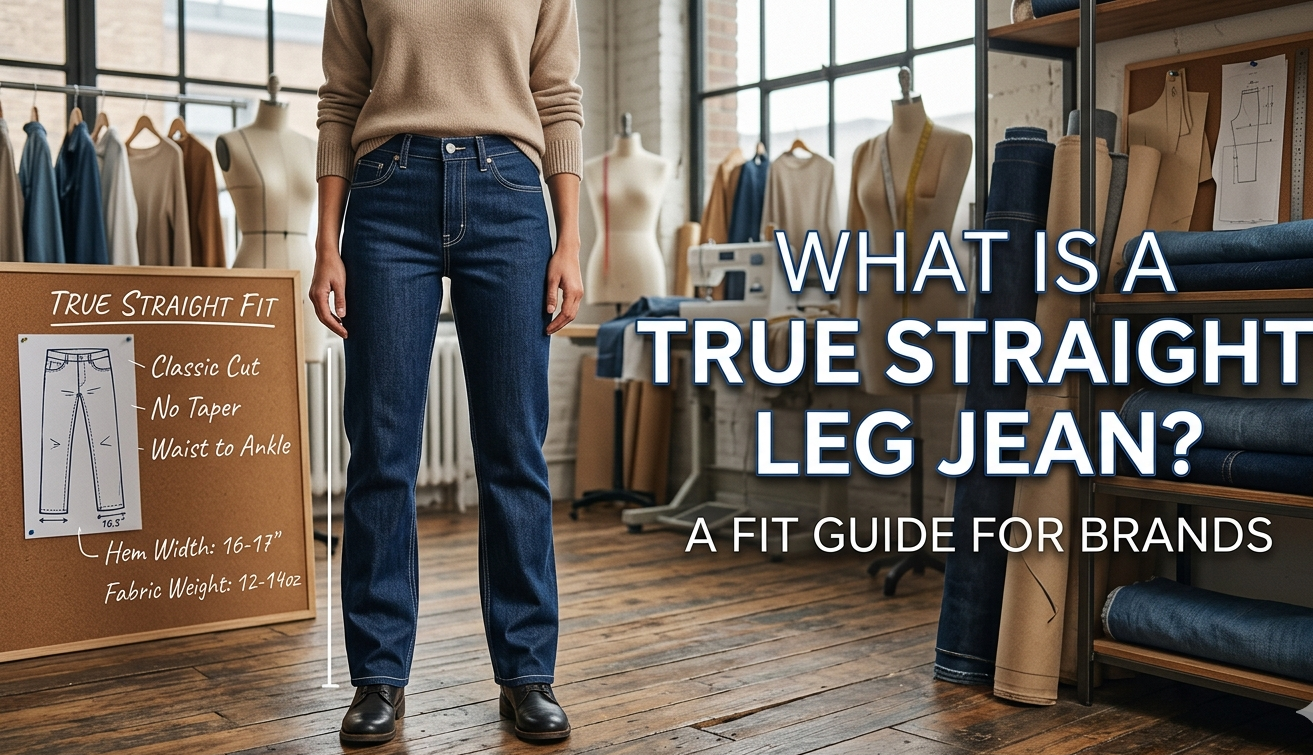
When launching a new denim brand, the product development phase often gets derailed by vague fashion terminology. Founders frequently submit Tech Packs asking for a “Straight Fit,” only to be disappointed when the factory delivers a prototype that looks like a baggy wide-leg or a slim-tapered jean.
In the manufacturing industry, a “True Straight” is not a subjective aesthetic; it is a strict mathematical CAD pattern. If you are an apparel importer, a Shopify brand, or an Amazon seller planning your core collection, understanding the engineering behind this silhouette is essential for minimizing e-commerce return rates and establishing sizing consistency.
Here is the factory-floor definition of a true straight leg jean and how to execute it perfectly for your brand.
The Technical Definition of a “True Straight”
The defining characteristic of a true straight jean happens below the knee. While the top block (waist, hips, and upper thighs) can vary from slim to relaxed, the lower half of the garment must follow a specific grading rule.
- The Knee-to-Hem Ratio: In a true straight CAD pattern, the Point of Measure (POM) at the knee is virtually identical to the POM at the leg opening (hem). If the knee measures 8.5 inches across, the hem must also measure 8.5 inches. The fabric falls in a perfect vertical column without tapering inward or flaring outward.
- The Top Block Balance: To prevent the jeans from looking unbalanced, a professional pattern maker engineers standard ease through the hips and upper thighs. This ensures the vertical line visually begins at the hip bone, allowing the garment to drape correctly over the body’s natural curves.
Why Your Brand Needs a True Straight Fit
For a new denim brand, your initial collection requires a reliable, high-volume anchor. The true straight fit is the safest commercial investment you can make for your inventory.
- Universal Body Compatibility: Because it does not cling to the calves or billow excessively around the ankles, this neutrality accommodates athletic builds, slender frames, and everything in between. This directly lowers your sizing-related returns.
- Lifecycle Longevity: “Skinny” and “Extreme Baggy” fits are highly cyclical trends. The straight leg is a permanent staple in both menswear and womenswear. Investing in this CAD block means your inventory will not become deadstock when seasonal trends shift.
Common Production Pitfalls to Avoid
If the factory lacks technical expertise, the straight leg pattern is incredibly easy to ruin during bulk production.
- The Leg Twist (Seam Torsion): Denim is a twill weave, meaning it naturally wants to twist in the direction of the yarn during industrial washing. If the factory does not mathematically balance the front and back panels or fails to use properly skewed fabric, the outer side seam of your straight jeans will aggressively twist toward the front of the shin after the first wash.
- Incorrect Fabric Weight: A true straight leg requires structural integrity to fall cleanly. Using a lightweight, high-stretch fast-fashion fabric (9oz–10oz) causes the leg to collapse and cling awkwardly to the wearer. We strictly recommend sourcing 12oz to 14oz rigid cotton or a maximum 1% to 2% elastane blend to maintain the architectural drape.
Why Choose Xinen Garment for Your Denim Production?
Translating a design concept into a scalable, bulk-manufactured garment requires a technical partner. Operating out of the Foshan manufacturing cluster, Xinen Garment engineers custom denim solutions for global B2B clients, independent labels, and international importers.
- Precision Pattern Engineering: Our in-house CAD team specializes in fit balancing and precise measurement methods. We mathematically calculate wash-shrinkage rates before cutting your bulk fabric, ensuring your straight leg remains entirely straight, even after heavy vintage wet processing.
- Direct Factory Economics: By partnering with a source manufacturer rather than a trading company, you control your Bill of Materials (BOM) transparently, securing the margins necessary to scale your brand.
- Strategic MOQs: We support emerging labels with practical Minimum Order Quantities (typically 100 to 300 pieces per style), empowering you to validate your true straight fit in the market without severe inventory risk.
- E-Commerce Fulfillment Ready: We prepare your bulk orders for immediate retail distribution, applying strict moisture-control packaging, attaching custom branded hardware, and printing Amazon-compliant FNSKU barcoding directly on the factory floor.
Frequently Asked Questions (FAQ)
Q: What is the difference between a Regular Fit and a True Straight Leg?
A: “Regular” refers to the ease in the top block (seat and thighs), meaning it has standard breathing room. “Straight” refers exclusively to the silhouette from the knee to the hem. A jean can be “Regular Straight” (standard thighs, straight drop) or “Slim Straight” (tight thighs, straight drop).
Q: Will a true straight leg fit over boots?
A: Yes, in most cases. Because the leg opening does not taper, a standard 8-inch to 9-inch hem opening easily accommodates work boots or Chelsea boots without bunching up at the ankle.
Q: Does heavy vintage washing ruin the straight silhouette?
A: It will if the factory does not calculate the shrinkage beforehand. Heavy stone washing tightens the cotton fibers. At Xinen Garment, we expand your initial digital pattern to compensate for the specific shrinkage rate of your chosen wash, guaranteeing the final garment measures exactly to your Tech Pack.
Q: Can I use 100% rigid cotton for a straight fit?
A: Absolutely. In fact, 100% rigid mid-weight or heavyweight cotton (12oz+) is the ideal fabric for a true straight jean, as it provides the necessary stiffness to hold the vertical shape.