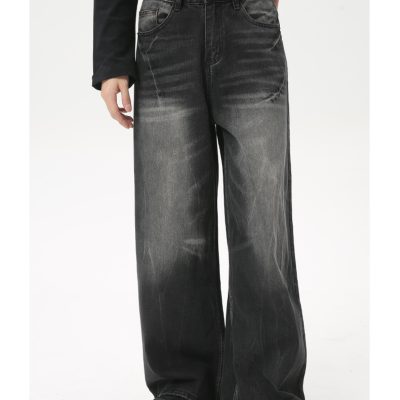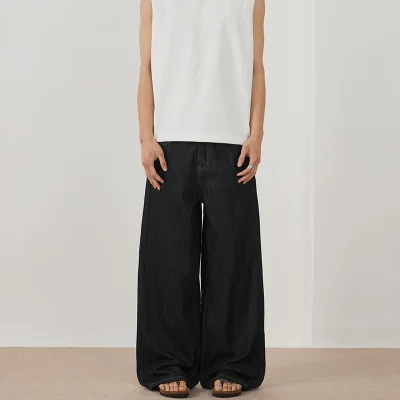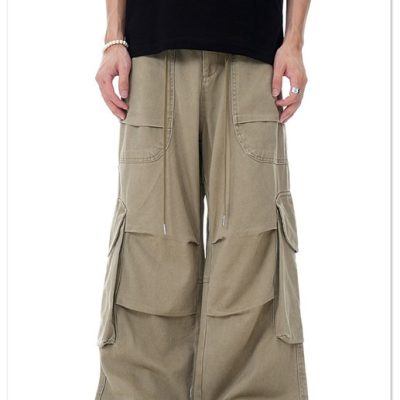

Adding a wide-leg or loose-fit silhouette to your men’s denim lineup is a smart move for market relevance, but it introduces distinct manufacturing complexities. Unlike slim or straight cuts, which have highly standardized dimensions, a wide-leg cut relies heavily on the exact interplay between fabric weight, drape, and pattern geometry.
If your brand gets these technical details wrong, the product will look sloppy on retail racks and result in high return rates.
This guide breaks down the concrete technical decisions your product development and sourcing teams must make when adding wide-leg denim to your collection.
1. Define Your Target Silhouette Profile
Before you select fabrics or build tech packs, you must establish the exact design category of your loose fit. Wide-leg menswear generally splits into two distinct structural profiles:
The Streetwear/Utilitarian Fit
- Characteristics: Rigid construction, deep drops at the crotch, wide leg openings from the thigh down, and minimal tapering. Often incorporates workwear elements like hammer loops or cargo pockets.
- Best For: Skate brands, high-end streetwear private labels, and youth-culture fashion lines.
The Contemporary/Smart-Casual Fit
- Characteristics: Clean lines through the hips, high-to-mid rise, and a subtle, relaxed taper toward the hem to keep the look polished.
- Best For: Premium lifestyle brands, fast-fashion retailers targeting young professionals, and minimalist capsule collections.
2. Fabric Selection: Weight and Yarn Composition
Because wide-leg pants use a larger surface area of fabric, the denim weight dictates how the pant hangs on the human body. Selecting the wrong fabric spec will ruin the intended silhouette.
The table below breaks down the industry-standard fabric setups for custom wide-leg denim manufacturing:
| Fabric Spec | Structural Behavior | Target Product Tier | Production Considerations |
| 13.5oz – 14.5oz 100% Cotton | Rigid, architectural drape. Holds shape well at the shoe break without collapsing. | Premium streetwear, vintage workwear replicas. | High shrinkage during heavy vintage wash cycles. Patterns must be oversized to compensate. |
| 12oz – 13oz Cotton Blends (Tencel/Hemp) | Soft, fluid drape. Flows with movement; less blocky. | Contemporary fashion, spring/summer drops. | Higher fabric cost per yard, but requires less intensive soft-washing at the factory. |
| Open-End vs. Ring-Spun Yarn | Ring-spun yields distinct vertical slub lines; open-end feels flat and uniform. | Premium private labels (Ring-Spun) vs. Mass wholesale (Open-End). | Ring-spun shows wash details (like whiskering and fading) much better on wide leg panels. |
3. Verify the Pattern Engineering (Avoiding Sizing Traps)
When sending your designs to a custom denim manufacturer, verify that the factory’s pattern makers are adjusting the upper block, not just widening the legs. Ensure your tech packs cover these three critical factors:
- The Waist-to-Seat Anchor: A premium wide-leg jean must fit securely around the actual waist and upper hips. If the factory scales the pattern uniformly across all dimensions, the waistband will gap and slip down.
- Inseam Break Management: Because the leg opening is wide, the hem naturally drops lower over the wearer’s shoes than a slim jean would. Inseam lengths generally need to be slightly shorter than standard straight cuts to prevent the back of the hem from dragging on the ground and fraying.
- Proportional Size Grading: Ensure your factory uses dynamic grading. As the waist sizes scale up (e.g., from size 30 to 38), the leg opening growth rate should taper off slightly so the largest sizes don’t look cartoonishly wide.
4. Selecting the Right Wash and Finish
Wide-leg jeans expose a broad canvas of fabric, making the quality of your wash choices immediately apparent to the consumer. For current market lines, prioritize these factory-level finishes:
- 90s Style Enzyme Stonewashing: Avoid harsh chemical bleaching. Modern enzyme stonewashing achieves uniform, high-density mid-blue shades without weakening the cotton fibers on large panels.
- Controlled Sulfur Tinting: To add a vintage or deadstock look, have the factory apply a light yellow or earth-toned sulfur overdye over an indigo base.
- Sanforized Raw Denim: For clean, minimalist utility aesthetics, produce the line in a raw, unwashed rigid indigo with high-contrast stitching.
Why Partner with Xinen Garment for Your Custom Denim Line?
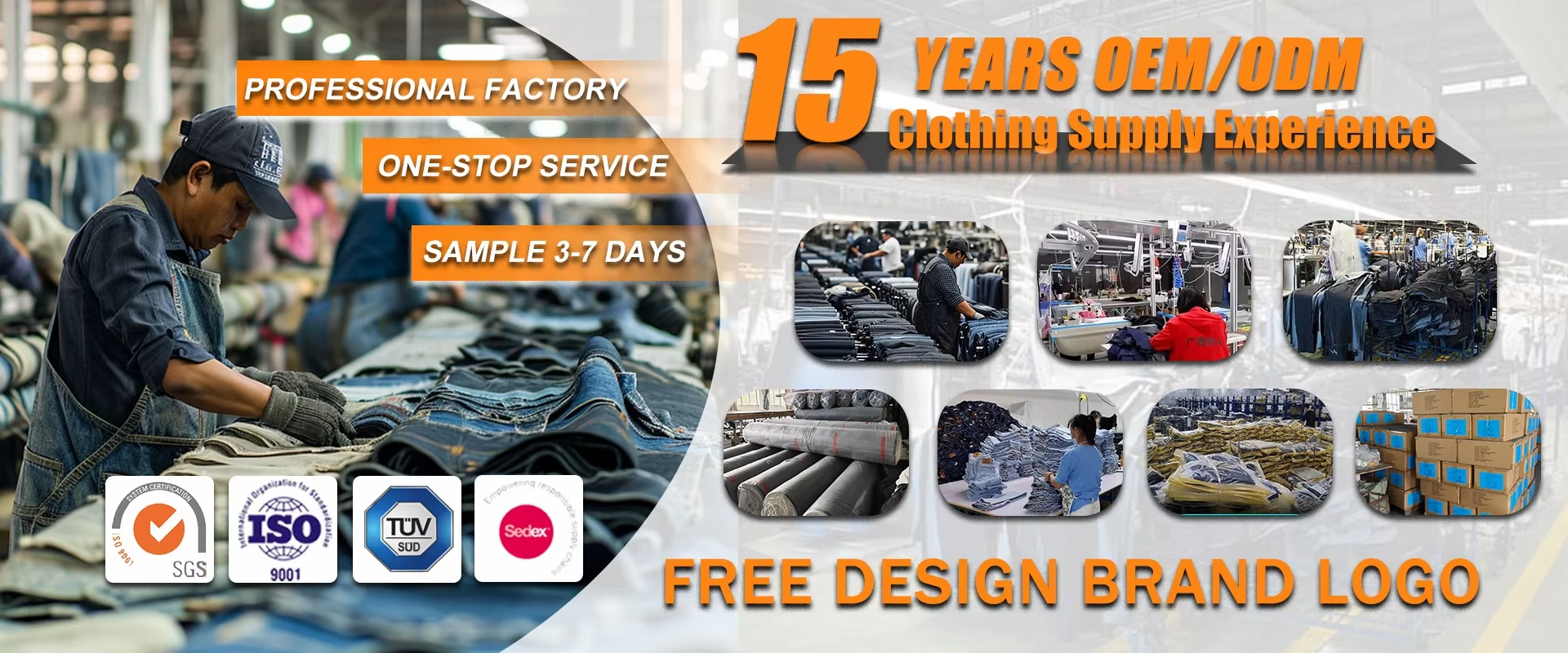
At Xinen Garment, we run a specialized, fully integrated denim manufacturing facility built to handle high-end custom denim apparel for international wholesalers, apparel importers, and private labels.
When you contract your wide-leg collections to our factory, we safeguard your production investment with concrete manufacturing advantages:
- Expert CAD Pattern Engineering: Our technical pattern makers understand global sizing differences. We translate your reference images, sketches, or tech packs into accurate patterns that secure a proper waist-to-hip anchor while maintaining a spacious leg line.
- Advanced Wash Control: Our partner wash facilities handle complex finishing techniques—including precise enzyme stonewashing, laser-guided whiskering, and custom sulfur tinting—ensuring your bulk production matches your approved prototype samples with minimal variance.
- Full Private-Label Hardware Customization: We offer complete custom branding execution. We source and manufacture custom-branded metal shank buttons, rivets, YKK zippers, embossed genuine leather or jacron patches, and woven labels.
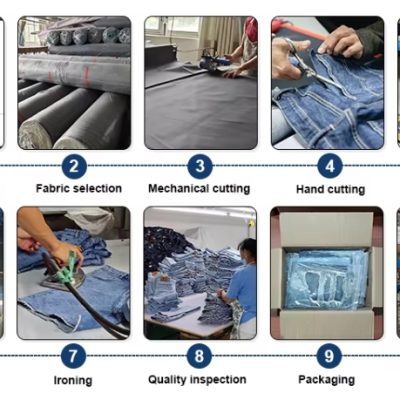
- Rigorous B2B Quality Assurance: We don’t skip steps. From checking raw fabric roll tolerances and conducting mandatory pre-wash shrinkage tests to final loose-thread trimming, pressing, and automated metal needle-detection scanning, every piece is inspected before export packing.
Frequently Asked Questions (FAQs)
What is your minimum order quantity (MOQ) for custom men’s wide-leg jeans?
Our production MOQs are structured flexibly depending on whether your design utilizes our in-stock premium fabric catalog or requires a completely custom-loomed fabric composition. Please contact our sales team with your technical specifications for an accurate quote.
How do you prevent wide-leg jeans from shrinking out of spec during production?
Before laying out the fabric on our automated cutting tables, our laboratory conducts standardized wash tests on fabric panels from your specific production lot to measure exact vertical and horizontal shrinkage. Our CAD pattern makers then adjust the cutting markers to compensate for these variables, ensuring the final washed garment matches your spec sheet perfectly.
Can you replicate a wide-leg silhouette from a physical sample?
Yes. Our sample development team can reverse-engineer any physical reference garment. We analyze the fabric composition, thread count, stitch-per-inch (SPI) settings, and dimensions to recreate the exact fit and wash characteristics for your line.
What are the standard lead times for samples and bulk manufacturing?
Once your tech pack and custom hardware designs are approved, prototype sample development takes 7 to 15 business days. Upon your formal approval of the sample and deposit confirmation, our bulk production cycle averages 30 to 45 days, depending on current factory floor scheduling and wash complexity.
Contact Our Sourcing Team
If you are ready to engineer a high-performing men’s wide-leg denim collection with an experienced, factory-direct partner, visit our official website at www.xinengarment.com or reach out to our production managers to schedule a consultation.