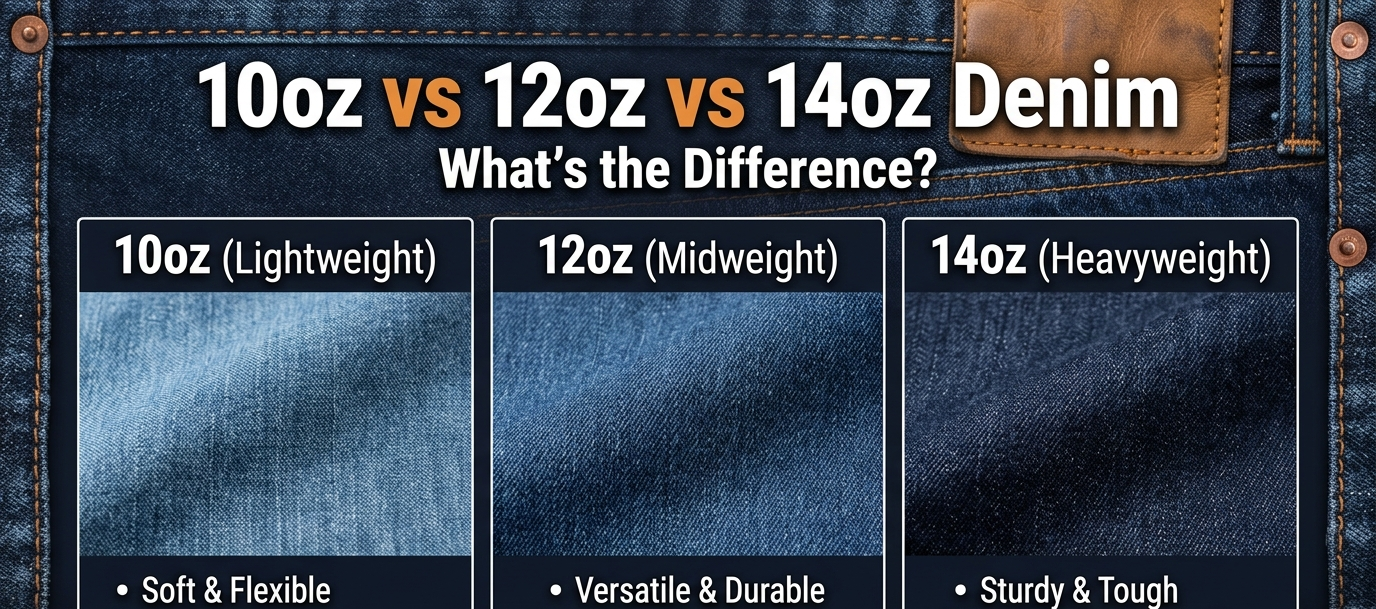
For apparel importers, private labels, and fashion wholesalers, selecting the right denim fabric is the most critical decision in the product development cycle. The weight of the denim—measured in ounces (oz)—dictates much more than just how thick the jeans feel. It determines the garment’s structural drape, the type of industrial washing required, the sewing machinery needed, and ultimately, the retail demographic you will attract.
Understanding the technical distinctions between 10oz, 12oz, and 14oz denim allows procurement teams to align raw material costs with brand positioning. This guide breaks down these three standard denim weights from a direct-to-factory manufacturing perspective.
How is Denim Fabric Weight Measured?
Denim weight is globally calculated in ounces per square yard (oz/sq yd). This measurement represents the density and thickness of the woven cotton yarn.
When a factory refers to a specific weight, it typically applies to the “raw” or unwashed state of the fabric. Because industrial laundry processes (such as enzyme or stone washing) strip away starch and cotton fibers, a raw 14oz denim may weigh closer to 13oz after a heavy vintage wash cycle. Choosing the correct starting weight ensures the final product retains the structural integrity required by your design tech pack.
When Should You Choose 10oz Lightweight Denim?
10oz denim falls into the lightweight category. It is highly breathable, pliable, and requires zero “break-in” time for the consumer.
- Best Applications: It is the standard choice for summer collections, women’s flowy wide-leg jeans, denim shirts, and lightweight dresses.
- Manufacturing Realities: Because 10oz fabric is thinner, it drapes softly and fluidly against the body. It is highly receptive to elastane blends (e.g., 98% cotton / 2% spandex), making it ideal for super-stretch skinny jeans or jeggings.
- The Trade-off: Lightweight denim lacks the structural rigidity to hold a crisp, wide-leg men’s silhouette. It also wears out faster under heavy friction and cannot sustain aggressive mechanical distressing (like heavy pumice stone washing) without risking fabric tears.
Why is 12oz Denim Considered the Industry Standard?
12oz denim is the definitive mid-weight fabric. It represents the “sweet spot” for commercial wholesale manufacturing, offering a perfect balance between durability and immediate comfort.
- Best Applications: Standard straight-leg jeans, everyday jackets, and year-round core collections for both men and women.
- Manufacturing Realities: 12oz denim holds its shape well but is still flexible enough to run smoothly through high-volume automated sewing lines. It supports authentic vintage wash finishes beautifully, allowing laser distressing and ozone fading to create natural-looking whiskers and honeycombs without destroying the twill weave.
- Market Positioning: If you are a fast-fashion importer or a private label launching a foundational, risk-free denim line, a 12oz 100% cotton or a 12oz stretch-blend is the safest, most commercially viable choice.
What Are the Advantages of 14oz Heavyweight Denim?
14oz denim crosses into the heavyweight category. It is stiff, highly durable, and presents a premium, structured aesthetic.
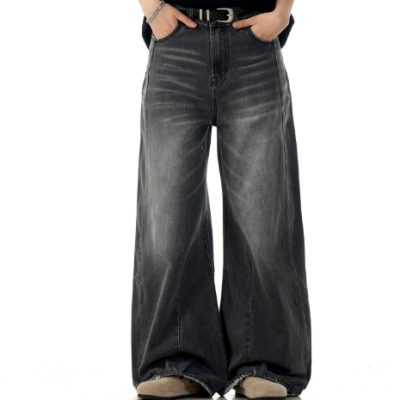
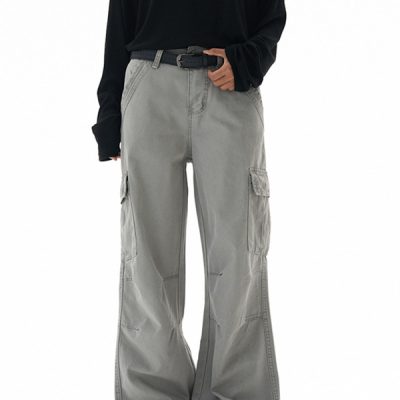
- Best Applications: Men’s structured wide-leg jeans, heavy utility cargo pants, raw (unwashed) selvedge collections, and premium streetwear.
- Manufacturing Realities: 14oz fabric does not drape; it holds a defined architectural shape. This is critical for modern streetwear silhouettes that need to fall cleanly over a sneaker without collapsing. Over time, heavy denim produces the highest-contrast, most authentic fade patterns.
- The Trade-off: 14oz denim is thick and rigid. From a production standpoint, standard garment factories cannot sew it. It requires specialized heavy-duty machinery with dual-differential feeds and high-torque needles. Attempting to sew 14oz denim on standard lockstitch machines results in broken needles, skipped stitches, and seam failures.
Why Choose Xinen Garment for Your Custom Denim Production?
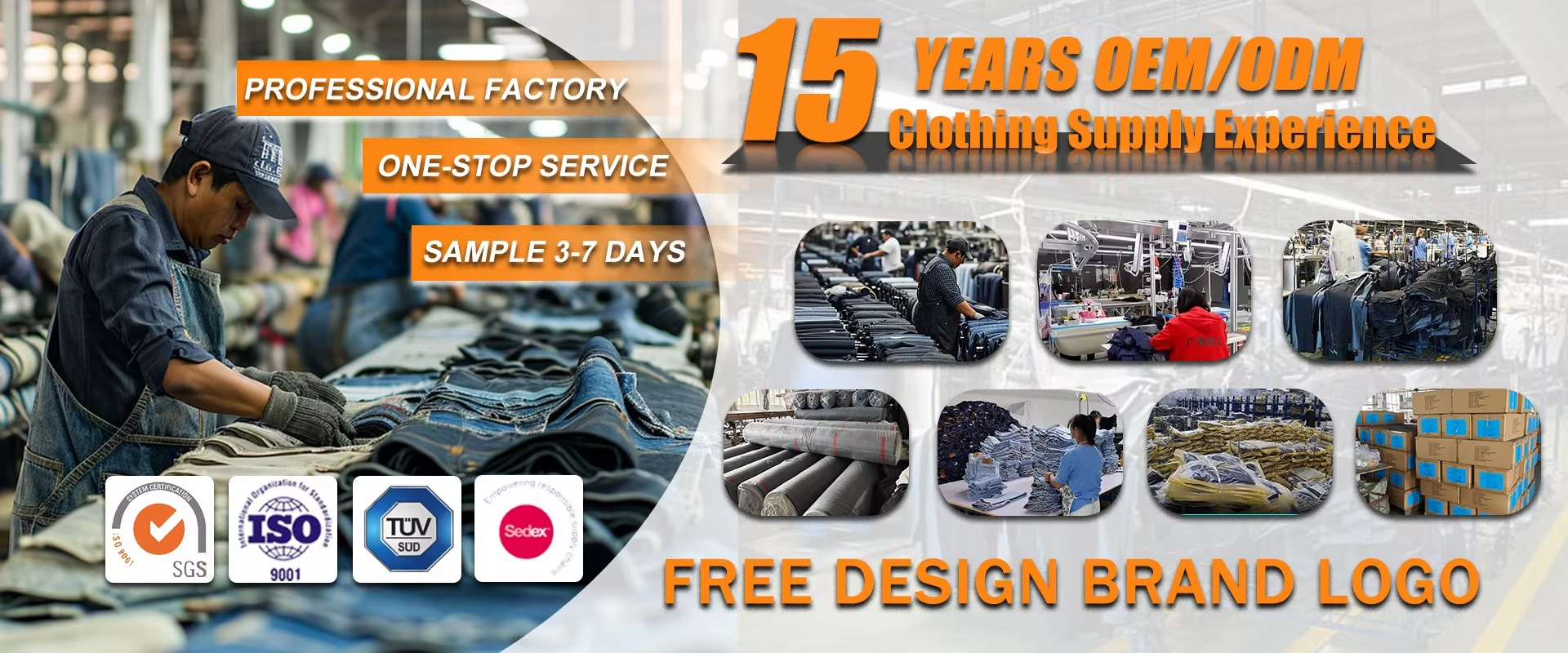
Executing different denim weights at scale requires an experienced, technically disciplined manufacturing partner. Located in the industrial hub of China, Xinen Garment operates a professional production facility dedicated exclusively to B2B custom denim apparel.
- Fabric-Specific Engineering: We do not apply generic rules to varying fabric weights. Our in-house CAD engineers calibrate shrinkage algorithms and pattern grading specifically for the ounce-weight of your chosen fabric, ensuring a 10oz stretch jean and a 14oz rigid cargo jean hit the exact same dimensional tolerances.
- Heavy-Duty Infrastructure: Our sewing floor is equipped with industrial chain-stitch machinery engineered specifically for heavy textiles. We confidently process premium 14oz and 15oz denim, maintaining a strict density of 8 to 10 Stitches Per Inch (SPI) to guarantee seam durability.
- Precise Wash Control: We partner directly with certified industrial laundries to soften heavyweight denim without compromising its structure, utilizing automated wash recipes to ensure consistent shade banding across large wholesale orders.
Frequently Asked Questions (FAQ)
What weight is best for men’s wide-leg jeans?
For a structured, premium men’s wide-leg silhouette that holds its shape, we strongly recommend 12oz to 14oz rigid 100% cotton denim. Lighter weights (10oz or below) will collapse and wrinkle easily, making the wide cut look sloppy.
Can 14oz denim be made with stretch?
While possible, it is rare and technically difficult. Adding elastane to heavyweight denim often causes the fabric to become overly dense and uncomfortable. If stretch is required for your brand, 11oz to 12oz fabrics are the optimal threshold for blending cotton and spandex.
Does fabric weight affect the manufacturing cost (CMT)?
Yes. Heavyweight fabrics (14oz+) require more raw cotton per yard, increasing the base textile cost. Additionally, heavy denim requires slower sewing speeds, stronger needles, and longer industrial wash times to soften, which slightly increases the cut-make-trim (CMT) labor cost compared to lightweight 10oz styles.
What is the minimum order quantity (MOQ) for custom denim?
Our MOQs are structured based on the dye-lot minimums of our textile mill partners. Utilizing standard 12oz or 14oz fabrics available in our factory stock programs allows emerging private labels and wholesalers to achieve flexible MOQs while maintaining premium quality.