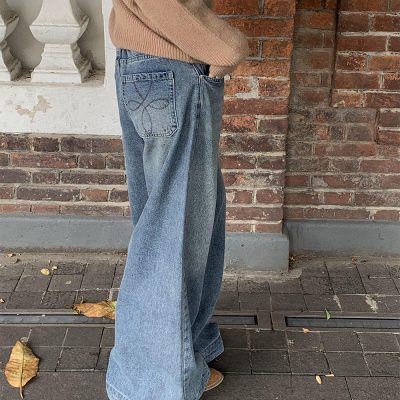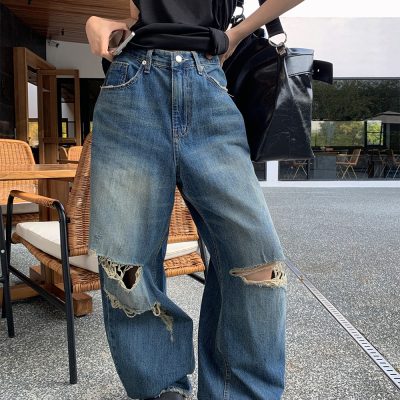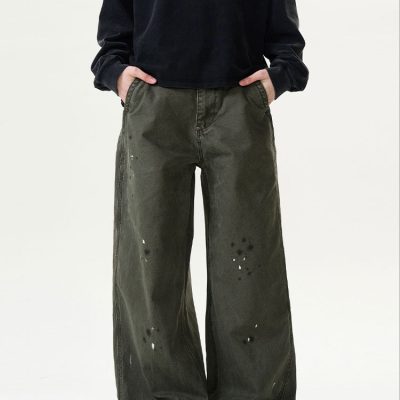
Launching a denim product is very different from launching a basic T-shirt or hoodie. Jeans involve more technical steps, more materials, and a lot more attention to fit and washing.
For many new brands, the development process is where most delays and misunderstandings happen. Designs that look simple on paper often require several adjustments before they are ready for bulk production.
This guide walks through the typical step-by-step process of developing custom denim jeans with a manufacturer, from the initial idea to final production.
Step 1: Define the Concept of Your Denim Product
Before contacting a manufacturer, it helps to have a clear concept of what you want to produce.
This does not need to be a professional tech pack at the beginning, but you should at least determine:
- Target market (streetwear, premium, everyday basics)
- Fit type (straight, slim, relaxed, baggy)
- Men’s or women’s product
- Target price range
- Approximate fabric weight and stretch preference
Many brands start with reference photos from existing products. These references help manufacturers understand the direction you want to go.
Without a clear concept, the development process can easily become slow and expensive.
Step 2: Prepare Basic Product Information
Once the concept is clear, the next step is preparing some basic product details.
Most manufacturers will ask for information such as:
- Design sketches or reference photos
- Fit style (straight, loose, slim, etc.)
- Fabric preference (rigid denim, stretch denim)
- Washing effect (dark wash, vintage wash, distressed)
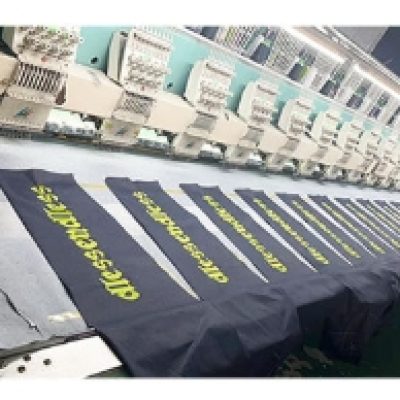
- Branding elements (labels, rivets, embroidery)
If you already have a tech pack, development becomes much easier. However, many startup brands work together with the manufacturer to refine these details during sampling.
The clearer the information you provide, the faster the sampling process usually goes.
Step 3: Fabric Selection
Fabric is one of the most important decisions in denim development.
Different fabrics will change:
- the overall look
- comfort level
- durability
- production cost
Typical denim fabrics include:
- Rigid denim – traditional cotton denim with no stretch
- Stretch denim – includes elastane for comfort
- Selvedge denim – higher-end woven denim
- Lightweight denim – often used for summer collections
For premium markets, brands often pay close attention to fabric weight (usually measured in ounces) and the quality of yarn used.
Many manufacturers provide fabric swatches so brands can evaluate texture, weight, and color before finalizing their choice.
Step 4: Pattern Development
Once the fabric and design direction are confirmed, the manufacturer begins pattern development.
The pattern determines the shape and fit of the jeans. Even small changes in the pattern can significantly affect how the jeans look and feel when worn.
During this stage, the factory typically creates:
- a base pattern
- size measurements
- grading rules for different sizes
For new brands, this step often requires adjustments. A good fit usually takes at least one or two rounds of sample revisions.
Step 5: Sample Production
The first physical sample is usually called the prototype sample.
This sample helps verify:
- fit and silhouette
- fabric compatibility
- wash results
- stitching quality
It is common for the first sample not to be perfect. Brands typically provide feedback on:
- waist fit
- leg width
- rise height
- overall comfort
Manufacturers then make adjustments and produce a revised sample.
Sampling timelines usually range from 2–4 weeks, depending on the complexity of the design.
Step 6: Wash Development
Denim washing is often the most complex part of jeans production.
Different wash techniques can dramatically change the appearance of the final product.
Common denim washes include:
- enzyme wash
- stone wash
- vintage wash
- distressed finishes
- garment dye
Each wash requires testing because the process can affect shrinkage, color consistency, and fabric texture.
Brands often review wash samples before approving the final look.
Step 7: Final Sample Approval
Once the fit, fabric, wash, and trims are confirmed, the factory produces a pre-production sample (PP sample).
This sample represents the exact product that will go into bulk production.
At this stage, brands usually check:
- measurements
- fabric quality
- washing consistency
- label placement
- overall appearance
Only after the PP sample is approved does bulk production normally begin.
Step 8: Bulk Production
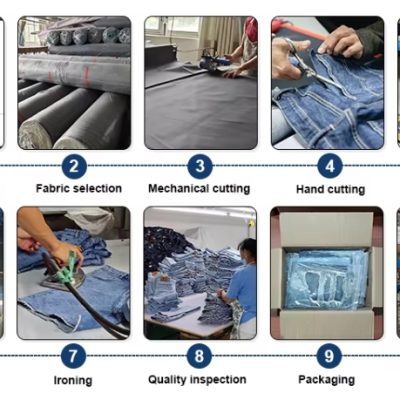
Bulk production involves multiple stages:
- fabric cutting
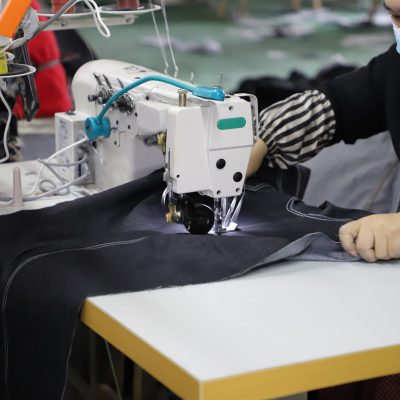
- sewing and assembly
- washing
- finishing
- quality inspection
- packaging
Production timelines depend on order size and factory capacity, but for denim products the typical timeframe is 3-4weeks.
Quality control is important during this stage to ensure consistency across the entire order.
Step 9: Final Inspection and Shipment
Before shipping, most manufacturers conduct a final quality inspection.
This inspection typically checks:
- measurements within tolerance
- fabric defects
- washing consistency
- labeling and packaging
Once approved, the goods are packed and prepared for shipment to the buyer’s warehouse or fulfillment center.
Common Challenges in Denim Development
Brands new to denim manufacturing often face a few common challenges:
Fit adjustments
Denim fits are more complex than many other garments.
Wash inconsistency
Certain wash effects require multiple tests.
Fabric lead times
Custom fabrics may take several weeks to produce.
Understanding these factors helps brands set realistic timelines.
Final Thoughts
Developing custom denim jeans is a detailed process that requires coordination between design, pattern development, fabric sourcing, and washing.
While the process can seem complicated at first, working with an experienced manufacturer can make development much smoother.
Clear communication, realistic timelines, and careful sampling are usually the key factors behind a successful denim product launch.