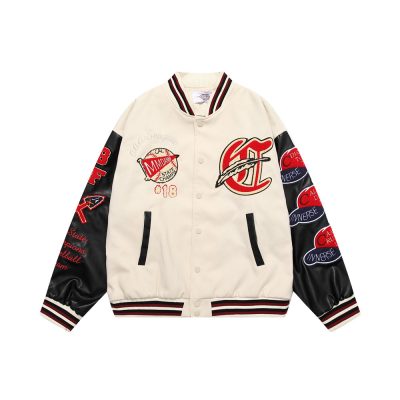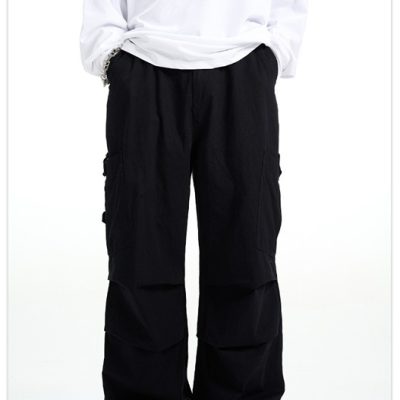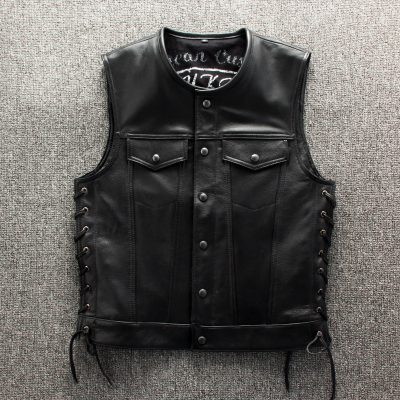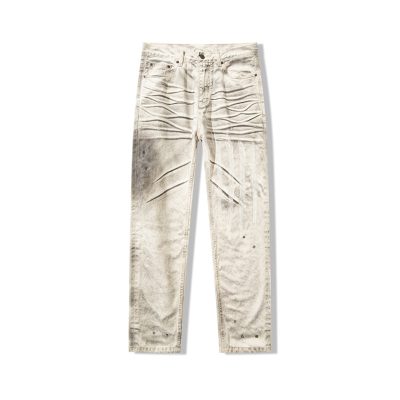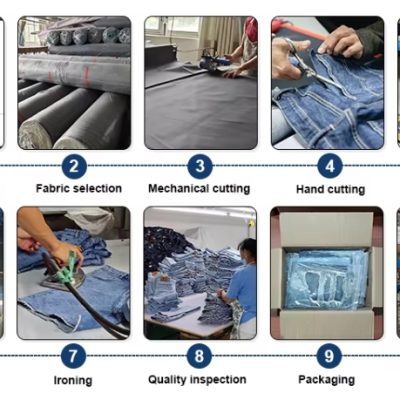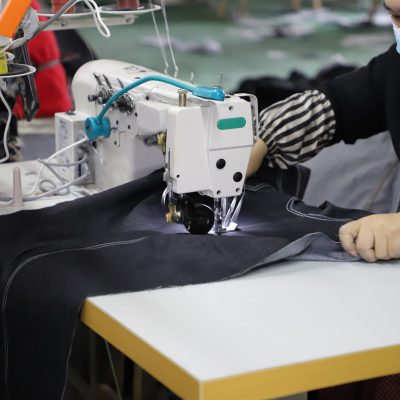
If you’ve spent any time on social media lately, you know that “Jorts” (oversized denim shorts) are dominating the streetwear scene. For a start-up brand, this looks like an easy entry point. After all, it’s just a pair of baggy shorts, right?
Actually, no. In streetwear denim shorts manufacturing, the “effortless” baggy look is the result of very specific technical choices. If you get the proportions wrong, they look like poorly fitted dad shorts. If you pick the wrong fabric, they won’t hold the boxy shape that streetwear customers demand.
Here is the realistic, factory-floor guide to building a streetwear denim short that actually fits the aesthetic.
Why is the “Boxy” silhouette harder to get right than a regular fit?
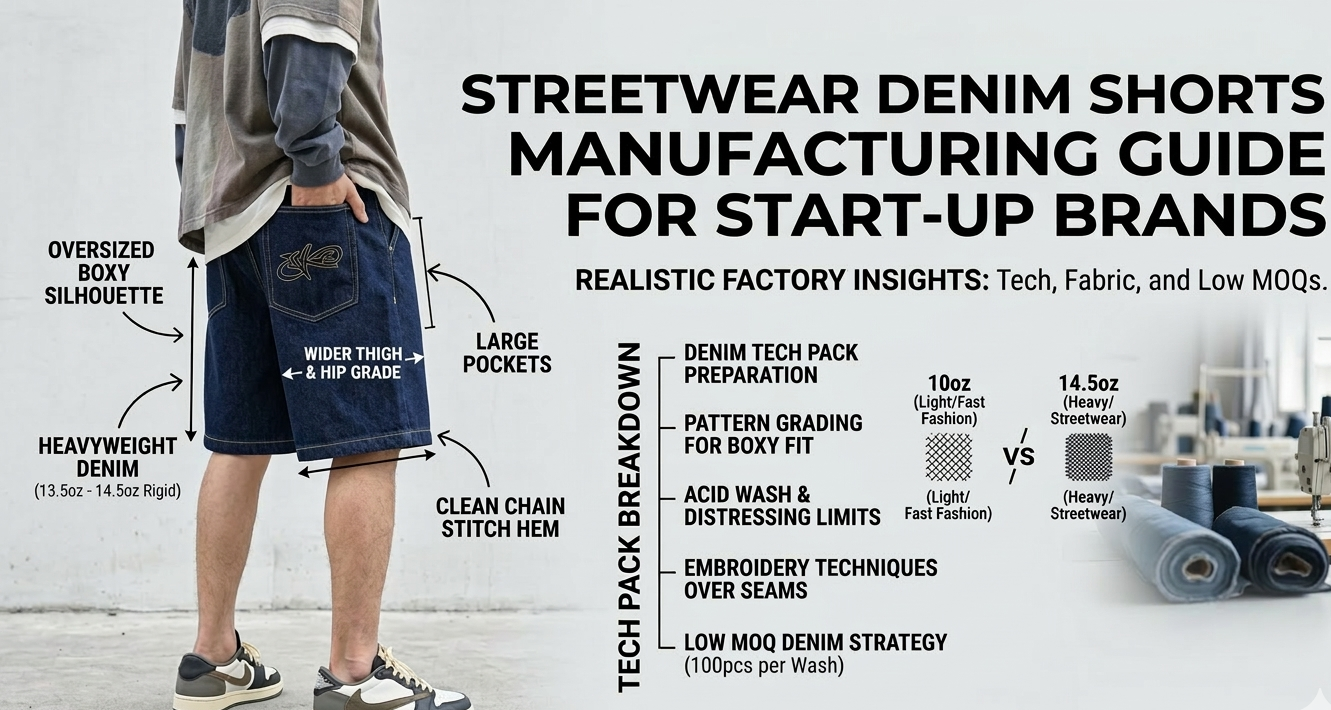
In streetwear, the goal is often an oversized boxy fit. This doesn’t mean you just take a standard pattern and make it two sizes larger. If you do that, the waist will be huge, and the crotch will hang too low, making them impossible to wear without a belt.
To get a proper streetwear jorts pattern, we keep the waist measurement true to size but “grade up” the hip and thigh width aggressively. The leg opening needs to be wide—often 11 to 13 inches flat—to ensure they don’t taper. We also look at the heavyweight denim drape. You need a pattern that allows the fabric to stand away from the leg rather than collapsing against it.
Which fabric weights actually hold up for heavy streetwear washes?
Streetwear brands love aggressive washes: heavy acid wash, tinted “dirty” washes, and intense stone washing.
If you use a lightweight 10oz fabric, these chemical and stone treatments will shred the fibers, leaving you with a product that feels thin and “soupy.” For premium streetwear denim production, we recommend a 13.5oz to 14.5oz rigid denim (100% cotton).
- Structure: Heavyweight denim holds the “ring” and “open-end” textures that look best under heavy washes.
- Durability: It can survive the 4-6 hour wash cycles required to get those vintage high-contrast fades without losing its structural integrity.
How do you manage complexity like embroidery and heavy distressing?
This is where start-up budgets usually break. Every time you add a “hit”—an embroidery on the pocket, a screen print on the leg, or hand-sanded distressing—the price goes up.
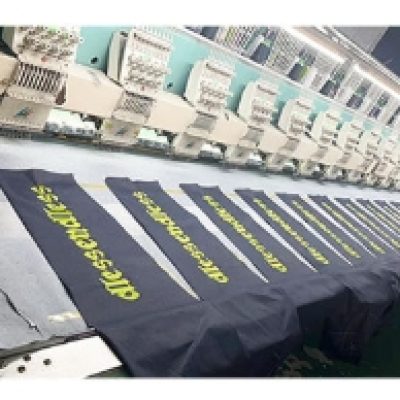
- Embroidery over seams: Avoid putting large embroidery directly over the side seams or thick flat-felled seams. The needle breakage rate is high, and factories will charge you a “difficulty surcharge.”
- Distressing: If you want “destroyed” hems or blown-out knees, remember that hand-distressed denim is labor-intensive. For a startup, we suggest picking 2-3 key areas for distressing rather than “all-over” damage to keep your COGS (Cost of Goods Sold) manageable.
What are the realistic MOQs for a streetwear denim launch?
Most startups want to launch 10 different washes in 50 pieces each. Realistically, most denim factories won’t do this.
In low MOQ streetwear manufacturing, the “bottleneck” is the wash house. Industrial washing machines are huge; they usually need at least 60-100 pieces of the same wash to run efficiently.
- The Strategy: Order 300 pieces in one “raw” state, then split them into 3 different washes (100 pieces each). This keeps your volume high enough for the factory but gives your brand variety.
FAQ: Streetwear Denim Manufacturing
Do I need to provide a Tech Pack?
Yes. If you just send a photo from Pinterest, the factory will guess. A denim tech pack should include your “flat sketches,” exact measurements (especially the leg opening and inseam), hardware specs, and a clear description of the wash.
Why does the color of my samples vary slightly?
Denim is a natural fiber and the washing process is “organic.” In heavy stone wash production, there will always be a 5-10% variance in shade between batches. This is a standard part of denim manufacturing, not a defect.
Should I use “Open-End” or “Ring-Spun” denim?
For that “authentic 90s” streetwear look, Open-End denim is actually better. It has a grainier, rougher texture that looks great with acid washes. Ring-Spun denim is smoother and more “premium” feeling, better for clean, high-end streetwear.
How long does production actually take?
Expect 30-45 days for sampling (including shipping back and forth) and 45-60 days for bulk production. If you are doing complex washes and embroidery, add another 15 days. Don’t believe anyone who says they can do high-quality custom denim in 2 weeks.