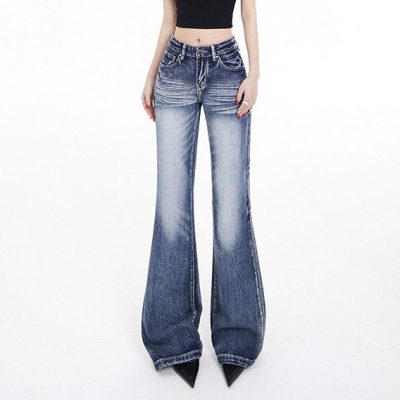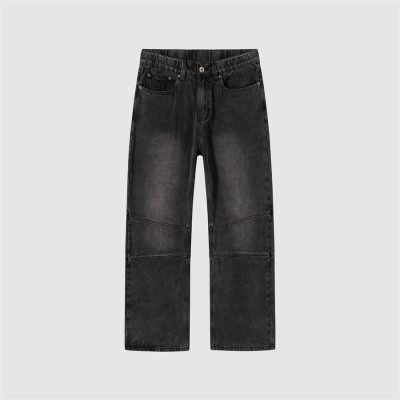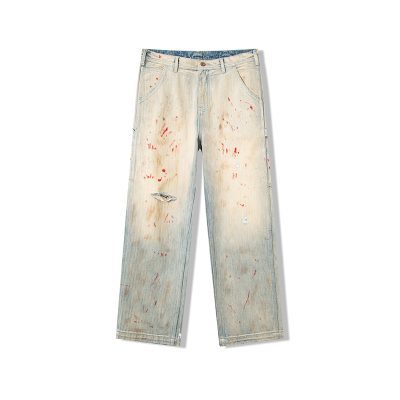
For e-commerce apparel brands, the debate between stretch denim and 100% cotton isn’t just about fashion—it is a strict calculation of return rates, manufacturing costs, and customer satisfaction. When your buyers cannot try on garments before checking out on Shopify or Amazon, your fabric choice directly dictates your profitability.
Many founders submit Tech Packs without realizing how their fabric selection impacts the final industrial wash or the product’s sizing tolerance.
At Xinen Garment, we engineer and manufacture custom jeans for global fashion importers, wholesalers, and private labels. Here is the direct, factory-floor breakdown of how stretch denim and rigid 100% cotton perform in the e-commerce landscape, and which one you should choose for your next production run.
What is the Technical Difference Between Stretch and Rigid Denim?
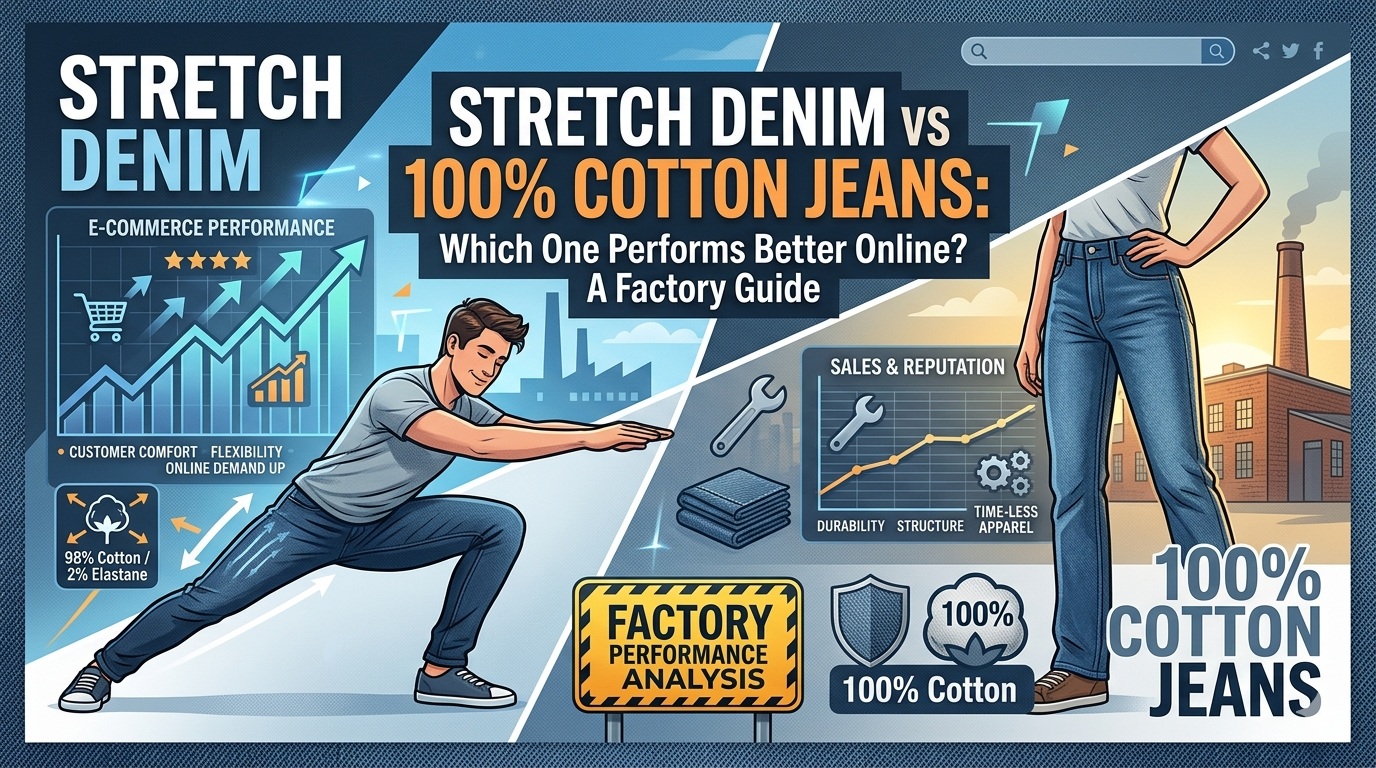
The technical difference lies in the yarn composition: rigid denim is woven purely from 100% cotton, providing high structural durability, while stretch denim incorporates a small percentage of synthetic elastomers (typically 1% to 3% Spandex or Elastane) to allow the fabric to expand and recover.
- 100% Cotton (Rigid Denim): This is the traditional, heritage fabric. It feels stiff initially but molds to the wearer’s body over time. It has zero “give” and relies entirely on precise pattern making for a good fit.
- Stretch Denim: By wrapping cotton fibers around an elastane core, mills create a fabric that looks like denim but performs like activewear. It stretches horizontally across the body, offering immediate day-one comfort.
Why Do Stretch Denim Jeans Perform Better for Mass E-Commerce?
Stretch denim generally performs better in mass e-commerce because the fabric’s flexibility acts as a buffer for sizing inaccuracies, significantly lowering customer return rates for online sellers.
For Amazon FBA sellers and fast-fashion brands targeting broad demographics, stretch denim is the safer financial bet:
- Lower Return Rates: A customer who is slightly between sizes will still fit into a pair of jeans with 2% elastane. If they order 100% rigid cotton and miss their size by half an inch, they will return the product.
- Immediate Comfort: Online shoppers expect instant gratification. Stretch denim requires zero “break-in” period, leading to better immediate reviews and fewer complaints about the garment feeling “too stiff” or “uncomfortable.”
- Ideal for Slim/Skinny Fits: If your Tech Pack outlines a slim, tapered, or skinny silhouette, stretch denim is mandatory. Manufacturing these fits with rigid cotton will completely restrict the wearer’s mobility.
Why Does 100% Cotton Denim Dominate Premium and Streetwear Brands?
100% cotton denim dominates the premium sector because it holds architectural shapes perfectly and reacts far better to aggressive industrial vintage washes, allowing brands to command much higher retail prices.
If your brand targets the streetwear market, vintage enthusiasts, or premium boutiques, rigid denim is superior:
- Superior Wash Effects: In our wet processing lab, 100% cotton yields the most authentic, high-contrast fades (whiskers, honeycombs). Elastane does not hold indigo dye the same way cotton does, so heavy enzyme washing on stretch denim often results in a flat, unnatural color.
- Structural Drape for Wide Fits: As we noted in our previous guides, the current market trend is heavily favoring “structured loose” and baggy fits. 100% cotton (12oz to 14oz) provides the necessary rigidity for wide-leg jeans to drop in a clean, straight line without collapsing or clinging to the legs.
- Longevity and Durability: Elastane degrades over time with constant machine washing and drying, causing stretch jeans to eventually lose their shape (bagging out at the knees). 100% cotton jeans can last decades, building a loyal customer base for your brand.
How Should Brands Choose the Right Fabric for Their Tech Pack?
Brands should choose their denim fabric based strictly on the intended silhouette of the garment, rather than personal preference. The fit dictates the fabric.
- Choose Stretch Denim (1-3% Elastane) If: You are manufacturing skinny jeans, slim-straight cuts, women’s contouring jeans, or targeting a mass-market e-commerce audience where minimizing sizing returns is your top priority.
- Choose 100% Cotton (Rigid) If: You are manufacturing vintage-inspired straight legs, baggy streetwear jorts, wide-leg fits, heavy denim jackets, or positioning your brand in the premium/luxury tier.
Why Choose Xinen Garment for Your Custom Denim Production?
Xinen Garment provides technical manufacturing solutions for B2B apparel importers, independent brands, and e-commerce platforms. We do not just cut and sew; we help you engineer products that reduce your operational risks.
- Fabric Sourcing Expertise: We maintain strong relationships with top-tier fabric mills. Whether you need a highly elastic, recovery-tested stretch blend for Amazon or a 14oz premium ring-spun rigid cotton for a boutique collection, we source it directly.
- Precision Pattern Grading: Rigid denim leaves no room for error. Our CAD pattern makers excel at drafting highly accurate blocks to ensure your 100% cotton jeans fit flawlessly without relying on stretch compensation.
- Advanced Wash Lab: We strictly control chemical and temperature variables to ensure your vintage washes look authentic on rigid cotton and remain consistent across stretch batches without degrading the elastane.
- Startup-Friendly Scaling: We offer practical MOQs (starting at 100-300 pieces) so new Shopify brands can test fabric performance before committing to massive wholesale inventory.
Frequently Asked Questions (FAQ)
Q: Does stretch denim shrink more than 100% cotton?
A: If not processed correctly, yes. The heat from industrial washing and home dryers can damage elastane, causing unpredictable shrinkage. At Xinen Garment, we perform strict wash-shrinkage tests before cutting bulk fabric to adjust your CAD patterns accordingly.
Q: Can I use stretch denim for a baggy jean or wide-leg fit?
A: We strongly advise against it. Stretch fabric is generally lighter and softer; it will drape poorly and look sloppy on a wide-leg pattern. Baggy fits require the heavy structure of rigid cotton.
Q: What is the highest percentage of stretch I should use?
A: For traditional jeans, 1% to 2% elastane is standard, providing comfort while maintaining a denim look. Pushing to 3% or 4% creates a “jeggings” feel, which is appropriate for some women’s fast-fashion styles but generally avoided in premium menswear.
Q: Which fabric is cheaper to manufacture?
A: The cost depends on the fabric weight (oz) and yarn quality (e.g., open-end vs. ring-spun), not necessarily the stretch content. However, basic stretch blends used in fast fashion are often cheaper than premium, heavy-weight rigid selvedge denim.