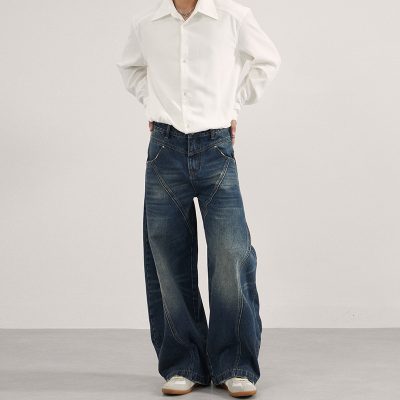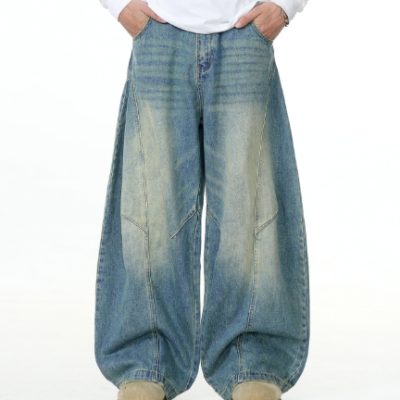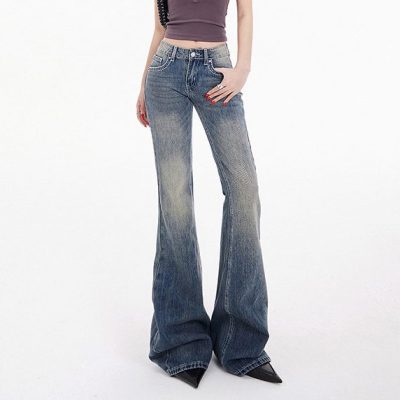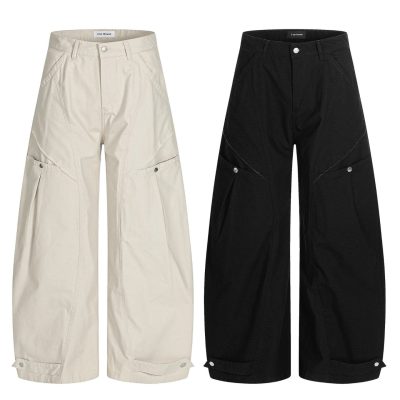
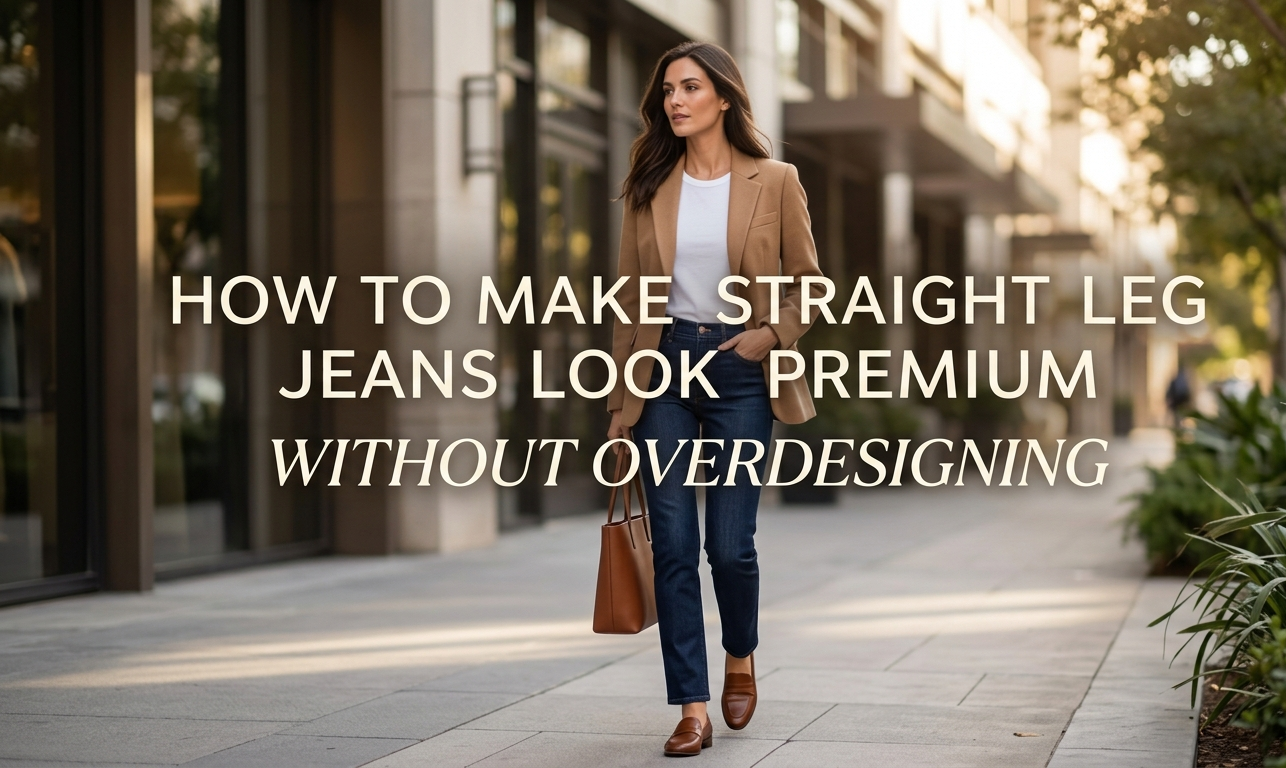
When planning a new denim collection, brand founders often feel pressured to add complex design elements—such as heavy distressing, intricate embroidery, or excessive cargo pockets—to justify a higher retail price point. However, for a foundational style like the straight leg jean, overdesigning usually limits the target demographic, increases production costs, and introduces higher defect rates during bulk manufacturing.
As the 2026 denim market continues to shift toward clean silhouettes and quiet luxury, premium value is no longer communicated through loud graphics. Instead, it is established through manufacturing precision, fabric integrity, and understated hardware. For private labels and wholesale buyers, here is how to engineer a premium straight leg jean through subtle production details rather than gimmicks.
1. Specify the Correct Fabric Weight and Texture
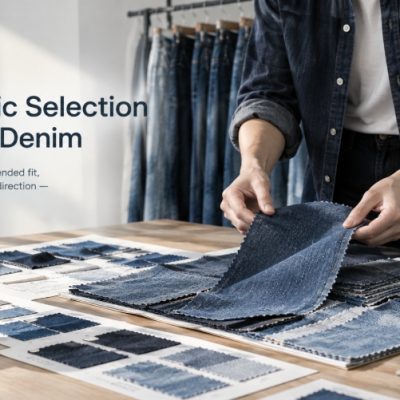
The perceived value of a straight leg jean begins the moment a customer touches the fabric. A premium straight cut requires a fabric that holds its shape and drapes cleanly from the knee to the shoe.
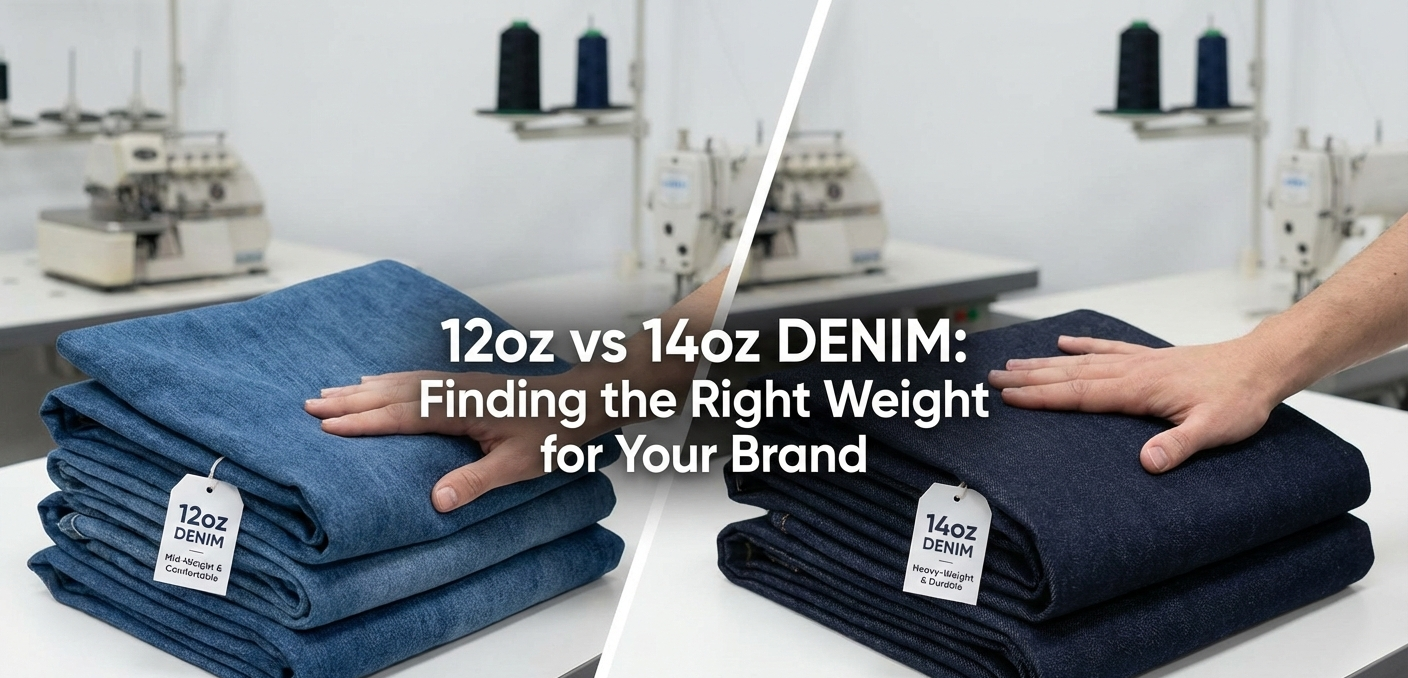
- Opt for Mid-to-Heavyweight Denim: Avoid lightweight fabrics (under 11oz) for classic straight fits, as they tend to wrinkle and cling to the leg. Specifying a 12.5oz to 14oz denim provides the structural integrity expected of a high-end garment.
- Utilize Slub Yarns: Instead of relying on artificial wash textures, choose denim woven with slub yarns (yarns with slight, intentional variations in thickness). After washing, these fabrics develop a natural, vertical crosshatch texture that looks inherently premium and authentic.
2. Implement Clean, Controlled Wash Profiles
Over-bleaching or aggressive acid washing can make a garment look dated and cheap. Premium denim brands exercise restraint in their laundry processing.
- Uniform Enzyme Washes: Instead of high-contrast whiskering and heavy scraping on the thighs, opt for a uniform enzyme wash. This softens the heavy fabric and creates a clean, even medium-blue or dark-blue shade that is highly versatile for end-consumers.
- Raw and Rinse Finishes: Leaving the denim raw or applying a simple cold-water rinse preserves the deep indigo dye. This minimalist approach requires flawless stitching, as there is no distressing to hide manufacturing errors, instantly signaling high manufacturing standards to the buyer.
3. Tighten Stitching Specifications (SPI)
The internal and external sewing construction is a primary indicator of a garment’s manufacturing tier. Fast-fashion jeans often use loose stitching to speed up the sewing lines, which leads to weak seams.
- Increase Stitches Per Inch (SPI): A standard mass-market jean might use 6 to 7 SPI. Upgrading your tech pack to specify 8 to 10 SPI creates a denser, cleaner seam that looks refined and prevents the panels from shifting or puckering after industrial washing.
- Tone-on-Tone Thread: While classic golden-tobacco thread is standard, using tone-on-tone stitching (e.g., navy thread on navy denim) creates a sleek, monochromatic appearance that easily transitions into premium menswear or womenswear collections.
4. Upgrade to Minimalist, Heavyweight Hardware
Hardware is the most direct tactile touchpoint on a pair of jeans. Custom brands should avoid shiny, lightweight aluminum hardware with overly complicated logos.
- Solid Alloys and Brass: Specify heavy die-cast zinc alloys, solid brass, or copper for your buttons and rivets. Choose matte, brushed, or antique finishes over high-gloss plating.
- Subtle Branding: Instead of large, multi-colored leather patches, use a thick, genuine cowhide patch with a simple, deep-pressed debossed logo. Clean, minimalist branding always looks more expensive than cluttered graphics.
Why Choose Xinen Garment for Premium Manufacturing
At Xinen Garment, we focus on the technical execution that defines high-end denim. We manufacture custom straight leg jeans for apparel importers, fast-fashion wholesalers, and private labels who prioritize structural quality over manufacturing shortcuts.
- Fabric Sourcing Expertise: We maintain strong supply chain relationships with premium denim mills, allowing your brand to access high-quality slub, selvedge, and heavy-weight raw materials.
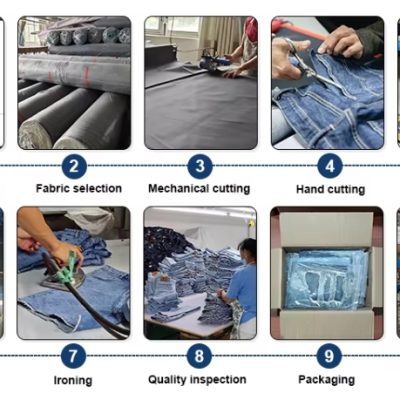
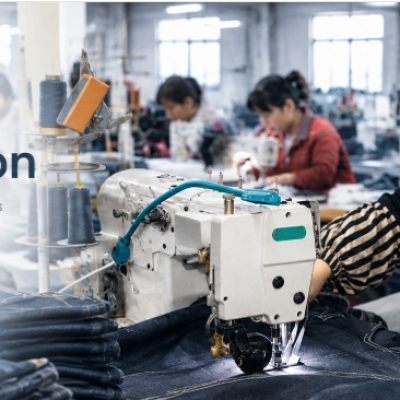
- Strict Sewing Standards: Our automated sewing lines and experienced operators are calibrated to maintain tight SPI counts, clean chain-stitching on hems, and precise bartack reinforcements, ensuring your garments meet premium retail standards.
- Controlled Laundry Facilities: We execute clean, consistent wash profiles. Whether you require a dark, uniform rinse or a stable enzyme wash, we manage batch-to-batch shading with strict quality control.
- Custom OEM Hardware: We handle the tooling and molding for your minimalist, heavy-duty branded buttons, rivets, and leather patches, integrating them seamlessly into your bulk production orders.
Frequently Asked Questions (FAQ)
Does increasing the fabric weight (oz) significantly increase the bulk production cost?
While heavier fabrics (13oz-14oz) carry a slightly higher raw material cost than lightweight alternatives, the price difference per garment is minimal compared to the significant boost in retail value and durability it provides to your collection.
Can we produce a premium straight leg jean using stretch denim?
Yes. For brands prioritizing comfort, we recommend a composition of 98% cotton and 2% spandex. This blend retains the premium look and structure of rigid denim while offering the necessary mobility for daily wear.
What is the lead time for producing a custom pre-production sample (PPS) with premium hardware? If you require custom-molded hardware (buttons/rivets), the tooling process takes approximately 7 to 10 days. The complete pre-production garment sample is typically finished and shipped within 10 to 14 days after the tech pack and fabric are finalized.
How do you guarantee the straight leg measurement does not twist after washing?
Leg twist (skewing) is a common defect in poorly made denim. We utilize skew-controlled (sanforized) denim fabrics and ensure our pattern makers align the cutting blocks perfectly with the fabric’s grainline to prevent the side seams from twisting forward after commercial laundering.