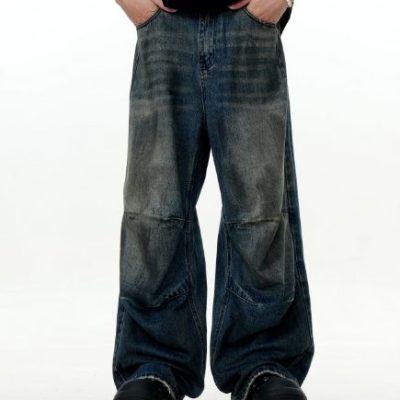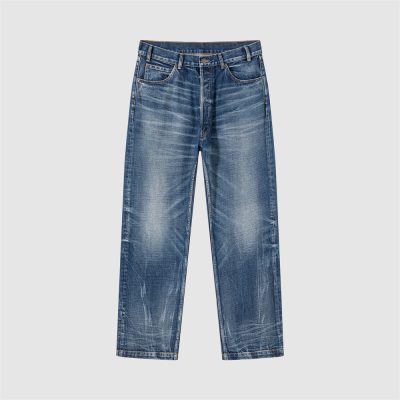

The wide-leg silhouette has cemented its place in modern menswear, transitioning from a niche streetwear trend to a staple in both high-end boutiques and fast-fashion retail. For brands and private labels, the challenge lies in the “commercial appeal”—creating a wide-leg jean that is trend-conscious yet wearable for the average consumer.
Developing a best-selling pair of wide-leg jeans requires balancing volume with fit engineering. Here is a guide for importers, wholesalers, and private brands on how to develop a product that sells through.
What Fabric Weights Drive Best-Selling Wide-Leg Styles?
The fabric is the “frame” of the garment. In wide-leg designs, if the fabric is too thin, the jeans lose their structural integrity and look cheap; if it is too thick, they feel stiff and uncomfortable.
- The Sweet Spot (12oz to 13.5oz): This weight is ideal for maintaining the silhouette’s “drape.” It provides enough heft to ensure the legs fall cleanly rather than clinging to the wearer’s calves.
- The Role of Rigid vs. Comfort Stretch: For an authentic, vintage-inspired look, 100% cotton rigid denim is the industry standard. However, to maximize mass-market sales, a slight 1%–2% elastane blend is often preferred to provide the necessary ease of movement without compromising the garment’s shape.
How Do You Design a “Wearable” Wide-Leg Pattern?
A common mistake is simply increasing the circumference of a standard straight-leg pattern. True wide-leg jeans require a custom block.
- The Top-Block Fit: The waist and hip must remain tailored to the body. If the top block is too baggy, the customer will feel overwhelmed by the excess fabric. The wideness should be concentrated from the mid-thigh downwards.
- The Rise Measurement: A mid-to-high rise is essential. It prevents the heavy leg fabric from pulling the pants down during movement, providing a secure, comfortable fit that customers are willing to wear all day.
- Hem Proportion: Ensure the leg opening aligns with the inseam length. A massive leg opening on a short inseam can make the jeans appear disproportionate.
Which Wash Treatments Increase Consumer Appeal?
Wash finishes often determine whether a jean sits on a shelf or moves off it. For current trends, consider these two directions:
- Authentic Vintage Looks: Mid-blue washes with subtle whiskering and natural-looking fading at the knees are high-demand. These signal “quality” and “heritage” to the consumer.
- Clean, Minimalist Finishes: Raw, indigo-rinsed, or over-dyed black wide-leg jeans appeal to the “quiet luxury” and “street minimalist” demographics. These are versatile and easier for consumers to style, which drives higher sales volume.
Why Choose Xinen Garment for Your Denim Production?
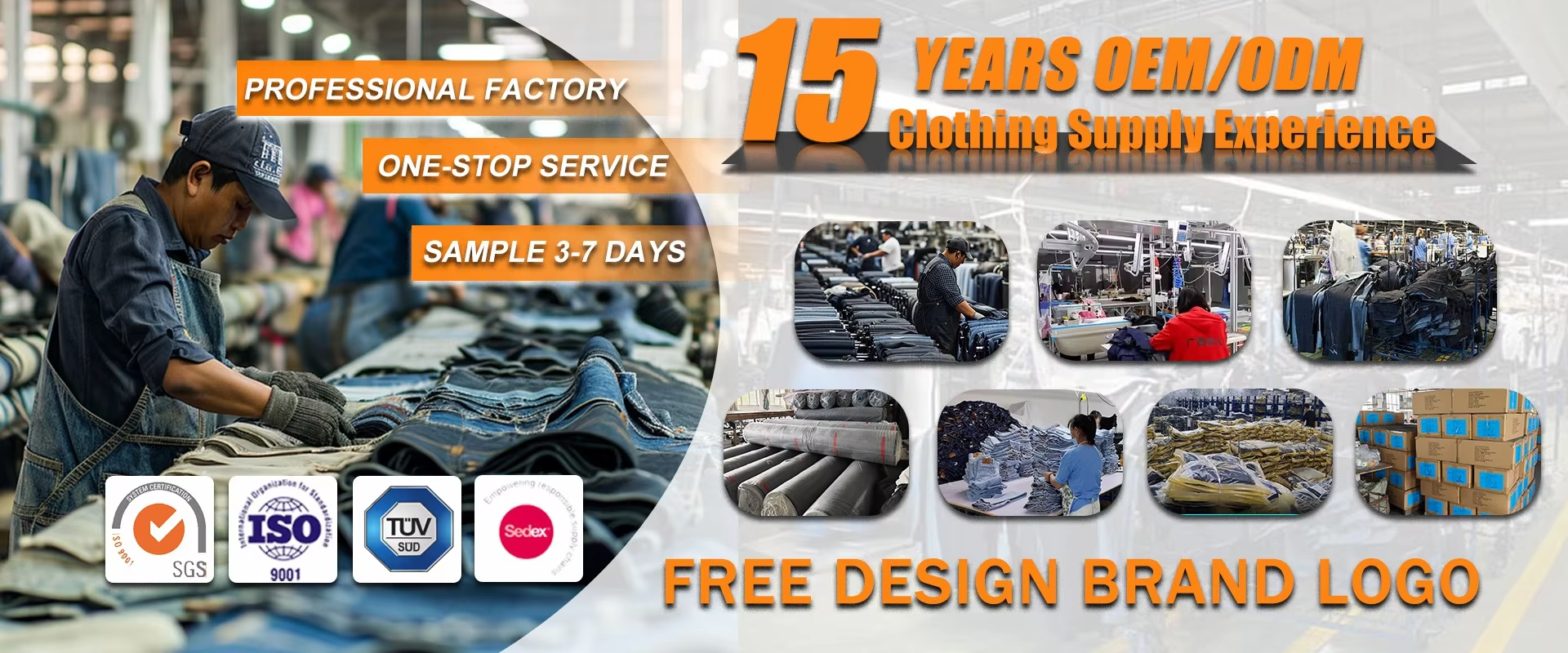
At Xinen Garment, we understand that our success is tied to the retail performance of your brand. We serve as an extension of your product development team, focusing on the technical precision required for professional denim manufacturing.
- Expert Pattern Engineering: We don’t just cut fabric; we engineer silhouettes. Our team excels at grading wide-leg patterns that maintain their proportions across all sizes, ensuring consistent fit from small to extra-large.
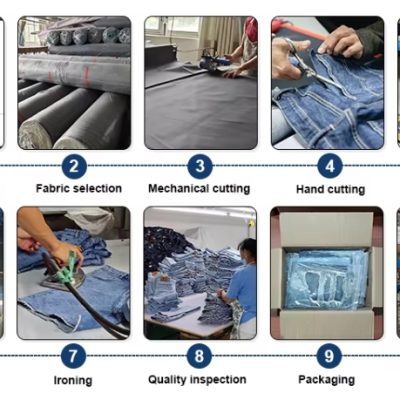
- Tech-Driven Quality Control: From shrinkage testing to seam strength analysis, we ensure that your bulk production matches your approved samples. We understand the B2B need for reliability and low defect rates.
- Strategic Sourcing: Whether you need premium Japanese-style selvedge or high-efficiency sustainable denim, we leverage our supply chain to source fabrics that meet your price point and quality requirements.
Frequently Asked Questions (FAQ)
What is the recommended leg opening width for a balanced wide-leg look?
For most commercial markets, a leg opening between 18 and 22 inches (depending on the overall fit) provides the “wide” aesthetic without being impractical for daily wear.
How do you ensure the jeans don’t lose their shape after a few wears?
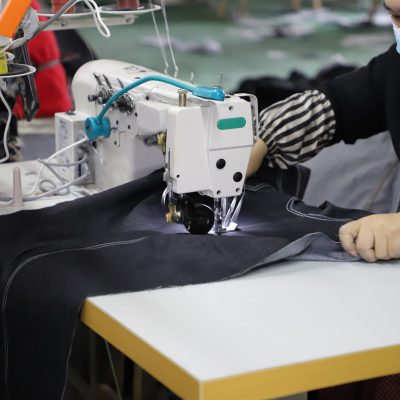
We emphasize correct fabric weight and weave construction. By using proper tension settings during sewing and, where necessary, high-quality low-stretch components, we ensure the denim retains its structure even after repeated washing.
Can Xinen Garment assist with private label branding?
Yes. We offer comprehensive private label services, including custom leather patches, branded hardware (buttons and rivets), and custom neck labels to ensure your brand identity is fully integrated into the product.
What is the lead time for developing a new wide-leg denim line?
Typically, the process involves a 7–14 day sample development period, followed by a production lead time of 30–45 days. We prioritize clear communication to keep your inventory cycles on schedule.