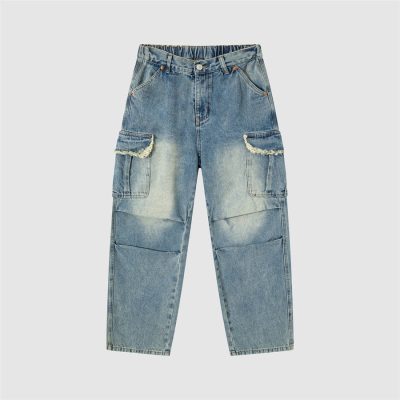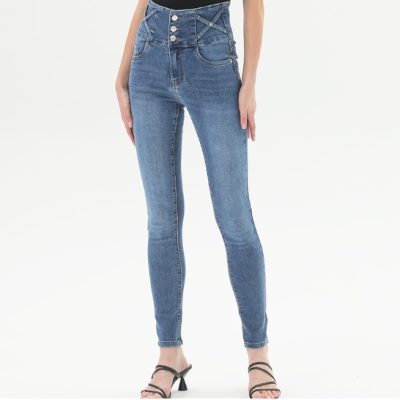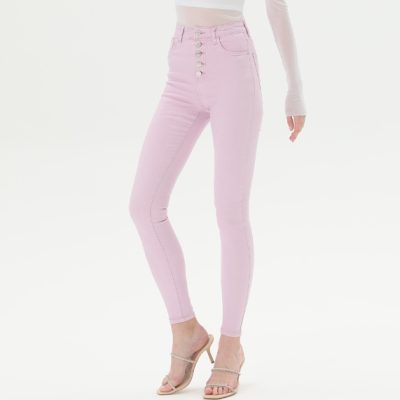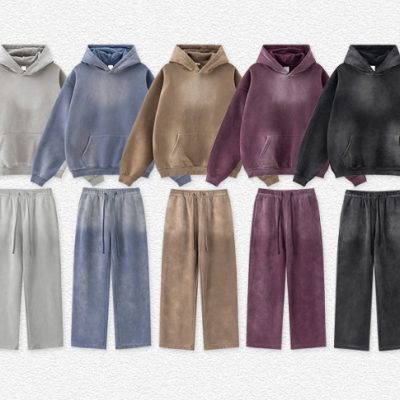
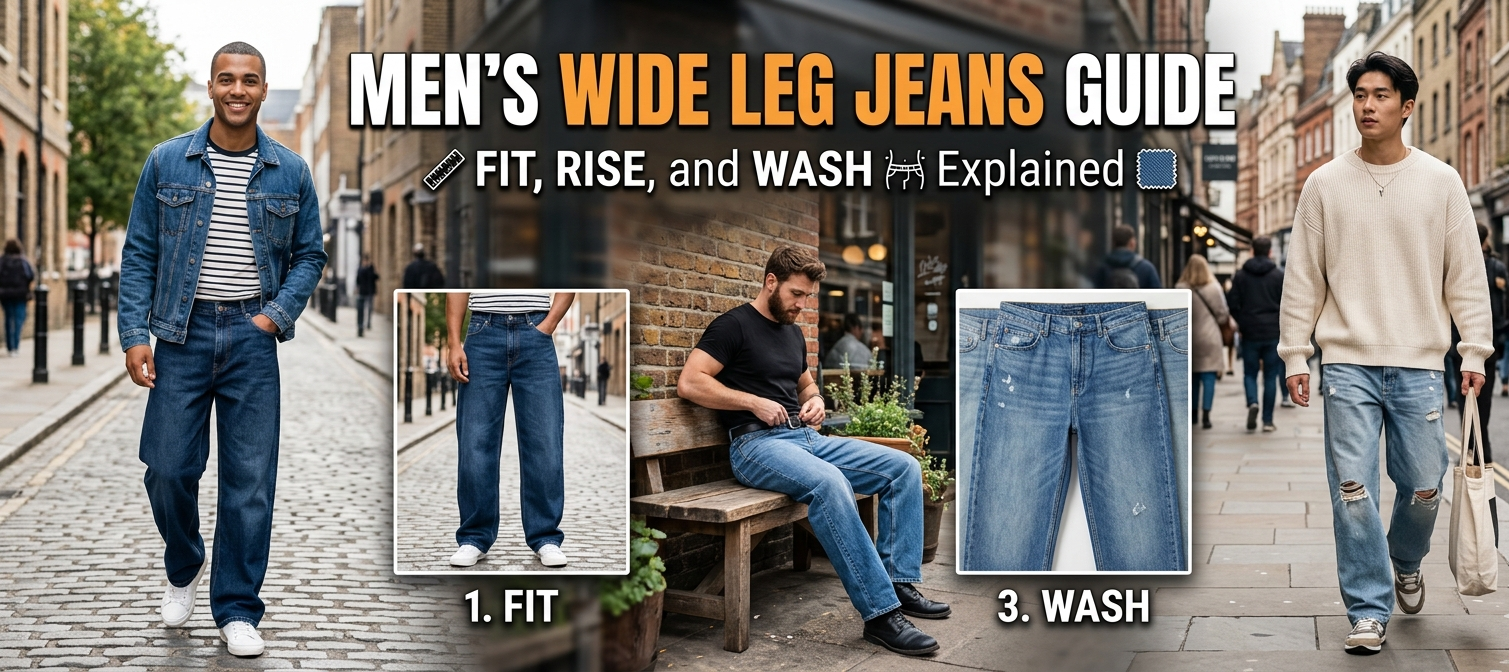
For apparel importers, private labels, and fashion wholesalers, adding men’s wide-leg jeans to a collection requires more than simply scaling up a standard straight-leg pattern. The relaxed, roomy silhouette relies heavily on precise pattern engineering, balanced proportions, and appropriate wash chemistry to look premium on the retail shelf.
When manufacturing wide-leg denim at scale, three core technical pillars dictate the market success of the garment: the construction of the fit, the calibration of the rise, and the execution of the industrial wash finish. This guide breaks down these technical elements from a direct-to-factory production perspective.
What Defines a Balanced Wide-Leg Fit in Commercial Production?
A common mistake in low-tier manufacturing is expanding the pattern uniformly across the entire leg panel, which results in a sloppy, unwearable fit. A premium wide-leg silhouette relies on structural contrast.
- The Top Block Structure: To keep the garment looking intentional, the “top block” (the waist, hips, and upper seat) must remain relatively fitted and secure. This anchors the jeans properly on the body.
- The Leg Profile: The widening of the fabric panels should initiate smoothly from the lower hip or mid-thigh, maintaining a straight or slightly tapered drop down to the hem.
- The Hem Opening: For contemporary commercial collections, the standard leg opening diameter generally ranges between 19 and 23 inches. This provides the desired fluid movement without allowing the fabric to drag under the wearer’s shoes.
How Does Rise Calibration Affect the Drape of the Silhouette?
The rise—the distance from the crotch seam to the top of the waistband—determines where the jeans sit on the body and how the excess fabric of the wide leg drapes.
- Why Low Rise Fails: Low-rise patterns are poorly suited for wide-leg styles. Because wide-leg panels are heavy, a low rise causes the waistband to sag, leading to an awkward fit in the seat and causing the hems to drag on the ground.
- The Mid-to-High Rise Standard: Premium wide-leg jeans utilize a calculated mid-to-high rise. This design anchors the garment at or just below the natural waistline. It balances the visual weight of the voluminous lower panels, elongates the leg profile, and ensures the fabric falls in a clean, vertical line.
Which Wash Finishes Maximize the Market Appeal of Wide Jeans?
Because wide-leg jeans use significantly more fabric surface area than slim cuts, the wash finish is highly visible. The choice of wash changes how the fabric behaves and appeals to different market demographics.
- Rigid Dark Rinses: A minimal rinse wash stabilizes the denim and retains a dark indigo or black coloration. This finish leaves the fabric stiff and structured, emphasizing the sharp lines of the wide silhouette. It is highly sought after by minimalist and premium private labels.
- Enzyme and Vintage Stone Washes: For casual or streetwear-oriented brands, intensive enzyme or stone washes soften the heavy-weight denim (12oz to 14oz). This softening process improves the fluid drape and “swing” of the wide leg when the wearer moves, while creating authentic highs and lows along the seams.
Why Choose Xinen Garment for Your Custom Denim Production?
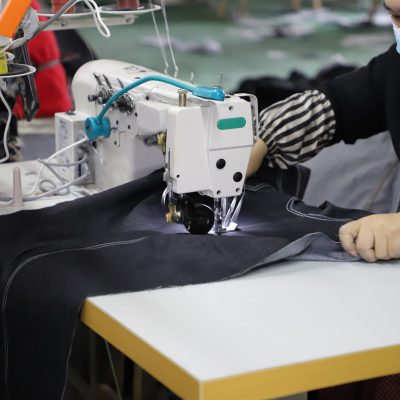
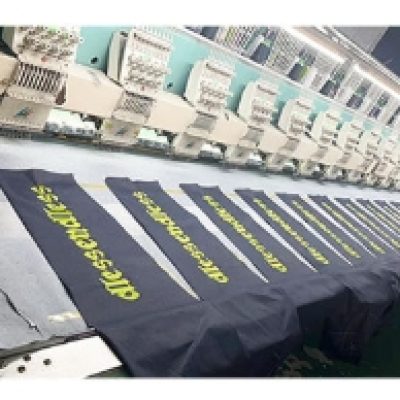
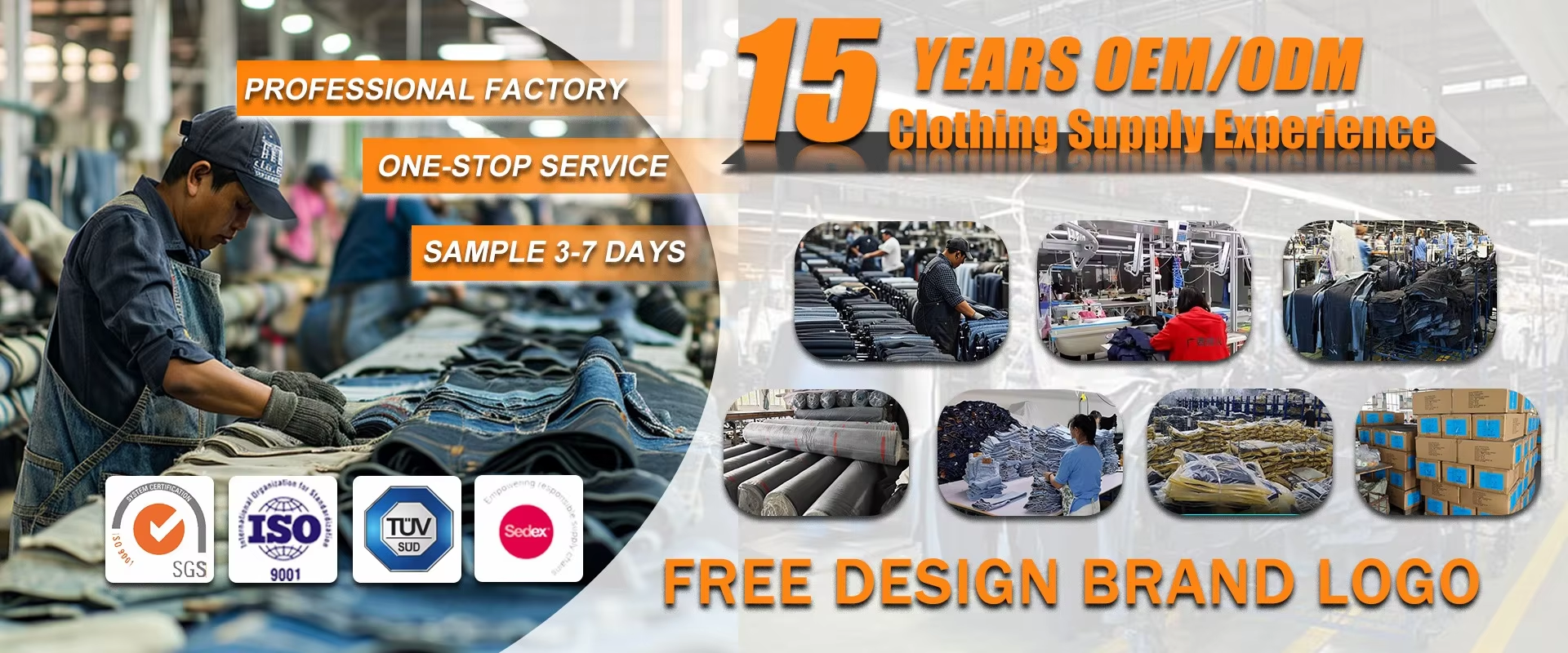
Manufacturing high-end denim requires strict technical discipline and modern machinery. Xinen Garment is a professional, direct-to-B2B denim factory specializing in executing custom orders for global importers, private labels, and wholesalers.
- Expert CAD Pattern Grading: Our technical (pattern making) team creates independent sizing rules that preserve the tailored fit of the waist while scaling the leg width proportionally across your entire size run.
- Strict Shrinkage Control: Heavy industrial washes shrink denim unevenly. We perform rigorous lot-testing on 1×1 meter fabric panels before bulk cutting, adjusting our CAD dimensions to ensure final garments match your tech pack size charts within commercial tolerances.
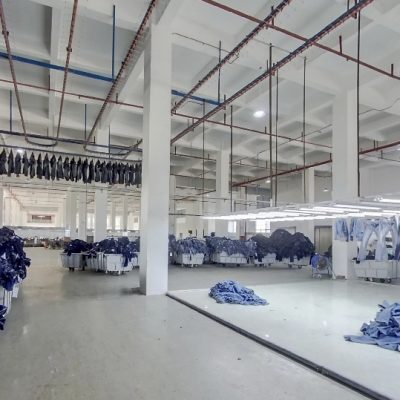
- Consistent Industrial Laundry: Our facility utilizes automated washing controls to manage chemical concentrations, cycle times, and temperatures. This minimizes batch-to-batch shade variance across large wholesale runs.
Frequently Asked Questions (FAQ)
What fabric weight is recommended for premium men’s wide-leg jeans?
We generally recommend mid-to-heavyweight denim, specifically 12oz to 14oz rigid 100% cotton. Lightweight fabrics lack the tensile strength required to hold the wide shape and tend to collapse or wrinkle easily, lowering the perceived retail value.
How do you prevent the side seams of wide-leg jeans from twisting after washing?
Leg twist occurs when fabric is cut off-grain. Our cutting room technicians strictly align the CAD patterns parallel to the vertical warp threads of the denim. We also work with pre-skewed fabrics to eliminate the natural rotational pull of the twill weave.
Can Xinen Garment adjust the sizing specifications for specific target markets?
Yes. We do not use generic size templates. We build custom grading profiles based on your specific tech packs, whether your target market requires US, EU, or Asian measurement standards.
What is your production lead time for a custom wide-leg denim order?
Once the tech pack is finalized and the pre-production sample (PPS) is approved, our standard bulk manufacturing timeline ranges from 30 to 45 days, depending on the complexity of the wash finish and order volume.