Executive Summary: Escaping the “Commodity Trap”
In 2026, stocking basic 11oz, rinse-wash slim jeans is a race to the bottom. Fast fashion has commoditized the “basic jean,” making it nearly impossible for independent retailers to achieve healthy margins (65%+) on these SKUs.
Profitability in denim retail now relies on De-commoditization. You must stock products where the Perceived Value significantly outweighs the FOB (Free On Board) Cost.
This guide provides a framework for identifying denim styles that command premium retail prices through strategic sourcing, not just trend chasing.
Pillar 1: The “Visible Complexity” Strategy (Washes)
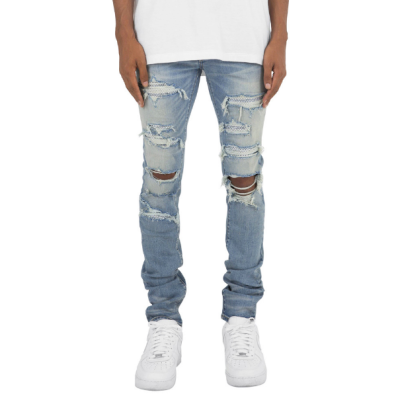
Customers intuitively understand labor. A flat, dark jean looks cheap to produce. A jean with whiskering, fading, and distressing looks expensive.
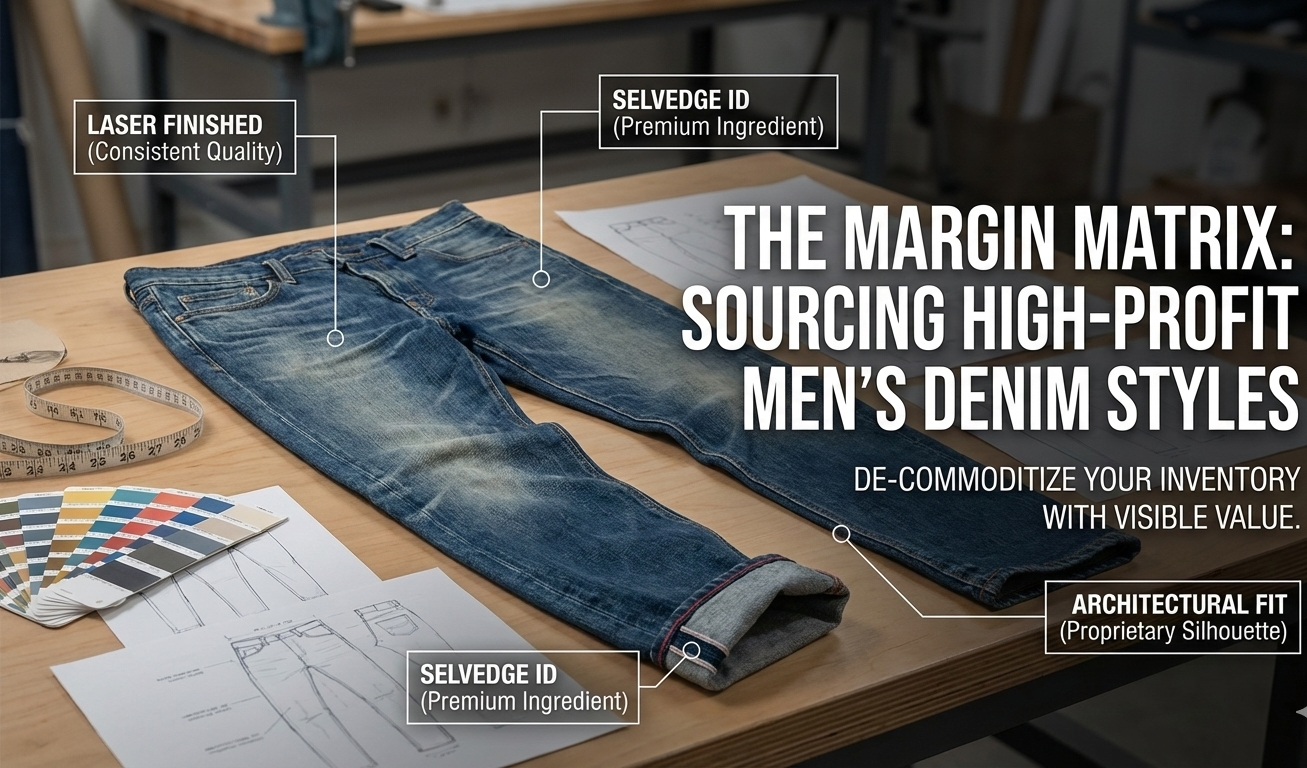
The High-Margin Solution: Laser Finishing
In the past, complex washes required expensive hand-sanding (high labor cost). Today, high-margin retailers utilize suppliers equipped with advanced laser technology (e.g., Jeanologia).
- The Economics: A laser machine can replicate hours of manual labor in 90 seconds. The FOB cost increase is minimal, but the retail price multiplier is significant because the product looks artisanal.
- What to Source: Look for “Authentic Vintage” washes created via laser, paired with eco-friendly ozone washing. Avoid cheap-looking “spray-on” whiskers. The complexity justifies a $150+ retail price point on a standard base fabric.
Pillar 2: The “Ingredient Branding” Strategy (Fabric)
Don’t just sell a pair of jeans; sell the components they are made of. When a customer understands the rarity or technology of the fabric, price resistance drops.
The High-Margin Solution: Selvedge & Traceability
Two types of fabric command automatic premiums in 2026:
- The Classic: Selvedge Denim. Despite mainstream exposure, Selvedge remains the gold standard for high margin. It signals durability and heritage. A 14oz Japanese Selvedge jean can easily command a 4x-5x markup from FOB to Retail.
- The Modern: Traceable/Recycled Cotton. The “sustainability premium” is real, but it requires proof. Sourcing denim made with GRS-certified recycled cotton or regenerative agriculture cotton allows you to market a story that justifies a higher price tag than conventional cotton.
Pillar 3: The “Architectural Fit” Strategy (Silhouette)
Generic fits (Skinny, Slim, Straight) are easily replicable by cheaper competitors. Proprietary, engineered fits create customer loyalty and protect full-price sales.
The High-Margin Solution: Structured Volume
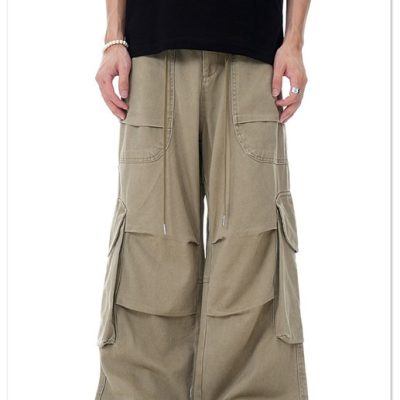
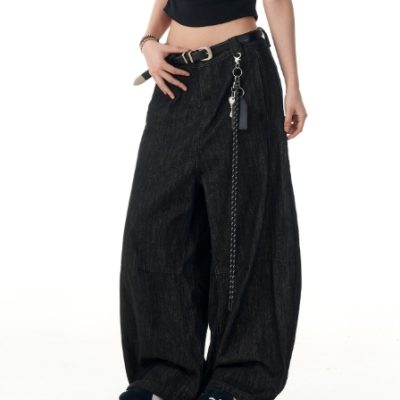
The current trend toward looser fits offers a margin opportunity. Unlike skinny jeans which rely on cheap stretch fabrics, new silhouettes like the Barrel Leg or Engineered Taper require:
- Better pattern-making expertise.
- Heavier, more rigid fabrics (13oz+) to hold the shape.
These garments are harder to knock off cheaply. When a customer finds a complex fit that flatters them, they will pay full price for it repeatedly.
Execution: The 80/20 Buy Strategy
How do you implement this in your store? Adjust your Open-to-Buy (OTB) plan to balance volume with profit drivers.
| SKU Type | Allocation % | Strategy | Target Margin |
| The Basics (Drivers) | 60% | Clean washes, standard fits (Slim Taper). Keeps the lights on. | 55% – 60% |
| The Margin Builders | 30% | Selvedge, Heavy Vintage Washes (Laser), Recycled Fabrics. The focus of this article. | 70% – 75% |
| The Halo Pieces | 10% | Extreme trends or ultra-premium collabs. Draws traffic, creates buzz. | Varying |
Strategic Imperative: Your sales staff must be trained to upsell customers from the “Basics” to the “Margin Builders” by explaining the fabric, the wash process, or the unique fit architecture.
FAQ: Sourcing for Profitability
Q: What is a healthy gross margin target for boutique men’s denim?
A: For independent boutiques and specialized denim stores, the target gross margin should be between 65% and 75%. Selling below 60% margin makes it difficult to cover overhead and absorb inevitable end-of-season markdowns.
Q: Is private label denim higher margin than stocking branded denim?
A: Yes, significantly. Private label allows you to control the entire cost structure and eliminate the wholesale middleman markup. A branded jean retailing for $200 might cost you $90 wholesale (55% margin). A comparable private label jean might cost you $50 FOB to produce, yielding a 75% margin at the same retail price.
Q: Why are heavyweight jeans considered high margin styles?
A: Heavyweight denim (14oz+) is perceived by consumers as more durable and higher quality, justifying a higher retail price. While the raw material cost is slightly higher, the increased perceived value allows for a much larger markup compared to flimsy, lightweight stretch denim.