Market Shift: The Definition of “Vintage” has Changed
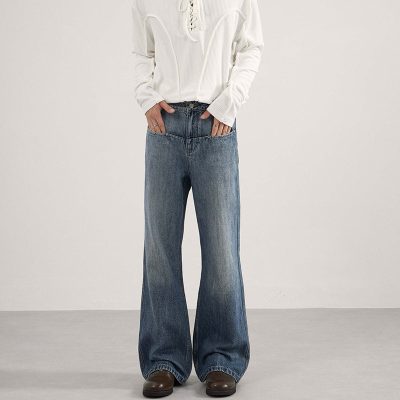
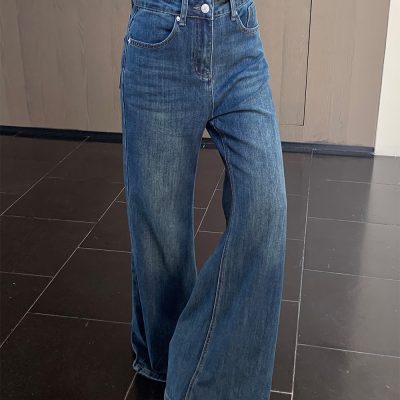
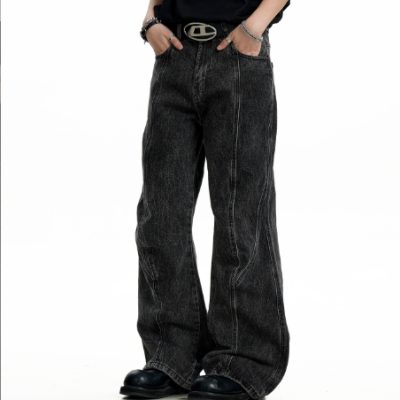
In 2026, the wholesale market for “vintage wash” denim has moved beyond simple enzymatic stonewashing. The consumer demand—driven by the resurgence of Y2K and Grunge aesthetics—now requires High-Fidelity Aging.
For retail buyers, this means your “Basic Wash” vendor may no longer suffice. You need suppliers capable of complex stratification: layering dry processes (whiskering/scraping) with wet processes (tinting/overdyeing) to create depth, not just flatness.
This guide outlines the technical capabilities you must demand from a vintage wash supplier in 2026.
1. The “Dirty” Vintage Trend: Tinting & Overdyeing
The cleanest blue jeans are currently the slowest sellers in the fashion-forward segment. The 2026 trend is “Dirty Vintage”—a muddy, lived-in cast.
What to Look For in a Supplier:
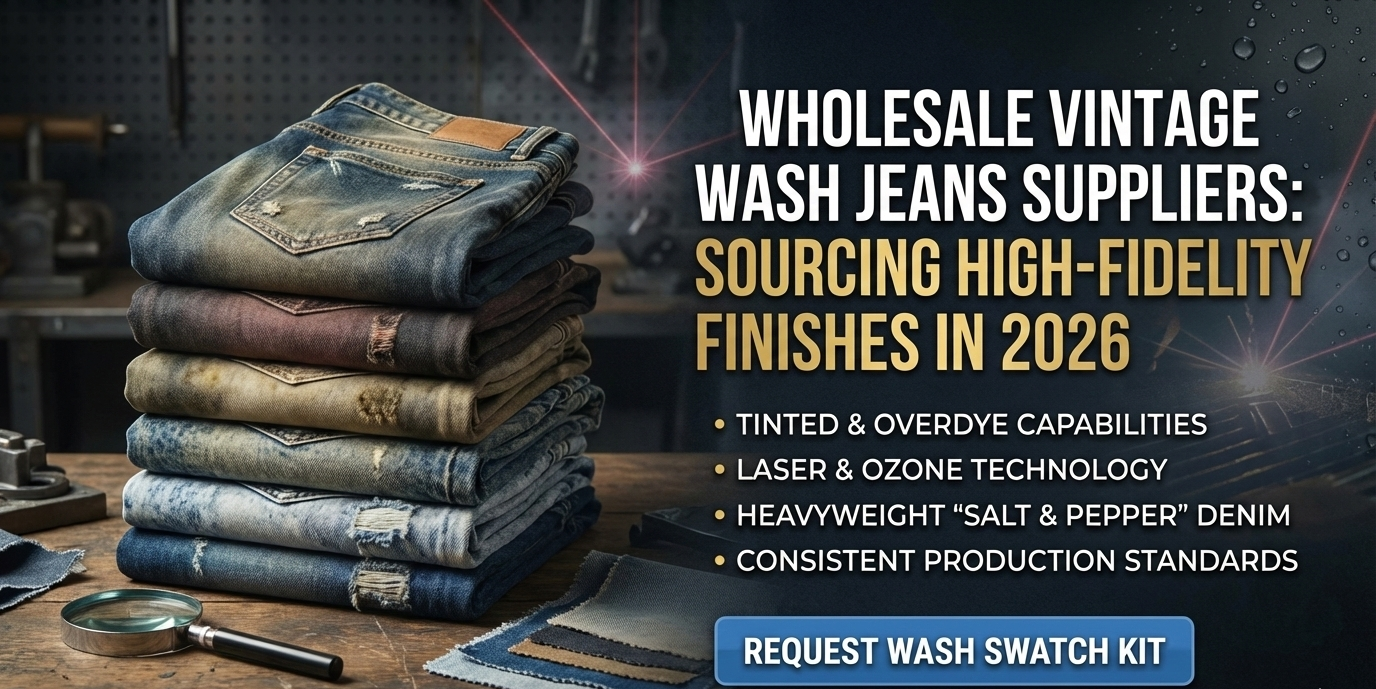
- Tinted Weft Capability: Does the supplier stock denim with beige, brown, or grey weft yarns? This creates an authentic “dirty” look from the inside out, which is far superior to top-tinting.
- Overdyeing Proficiency: Can they control “Black over Blue” or “Brown over Indigo” dips without creating color fastness issues (crocking)?
- Localized Tinting: The ability to spray pigment only on abrasion areas (knees/thighs) to mimic grass or oil stains, a key detail for streetwear brands.
2. Technology Check: Laser vs. Potassium Permanganate (PP)
Environmental regulations (especially REACH in the EU) are tightening around the use of Potassium Permanganate (PP spray), the chemical traditionally used to brighten thigh areas.
The Buyer’s Checklist:
- Laser Machines: A top-tier vintage wash supplier must have in-house laser finishing (e.g., Jeanologia or similar systems). Laser creates consistent whiskers and chevrons without chemical runoff.
- E-Flow / Ozone Washing: For that “bleached” or “acid wash” look without the heavy water usage. If your brand makes sustainability claims, your supplier must use Ozone technology to achieve light vintage shades.
3. Base Fabric Selection: The “Salt & Pepper” Grain
You cannot achieve a premium vintage wash on a flat, cheap fabric. The character comes from the yarn.
Sourcing Requirement: Instruct your supplier to use Open-End (OE) Yarn or Cross-Hatch denim.
- Ring Spun: Too smooth/flat for rugged vintage looks.
- Open End: Creates a “Salt & Pepper” grain texture when washed down. It holds the high-low contrast better and looks like authentic 90s workwear.
4. Vetting Your Supplier: The “Consistency Test”
Vintage washing is an art, but mass production requires science. The biggest risk in sourcing vintage denim is Tube-to-Tube Variation (inconsistency between batches).
Ask these 3 Questions before placing a PO:
- “What is your standard for Shade Banding?” (Ensure they sort finished goods into strict shade bands A/B/C).
- “Do you use a Wet/Dry Standard system?” (You must sign off on a wet leg and a dry leg before bulk production).
- “Can you replicate this wash using Laser files?” (Digital files ensure the whiskers are in the exact same spot on every pair, unlike manual hand-sanding).