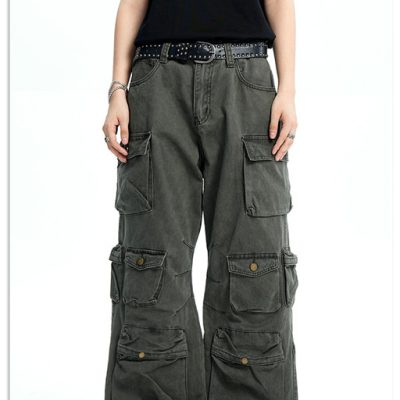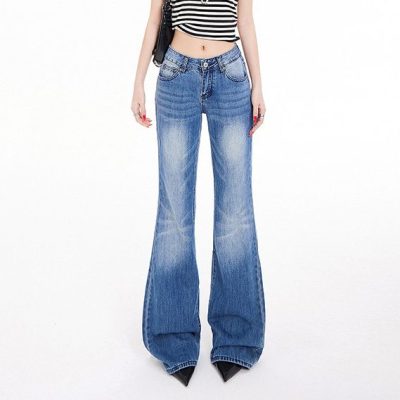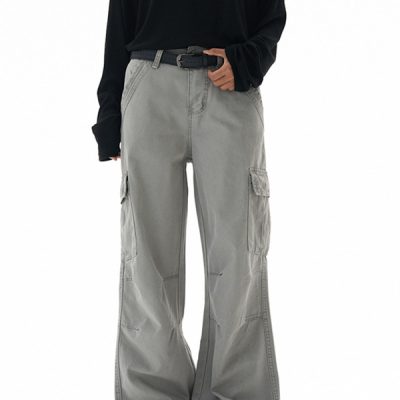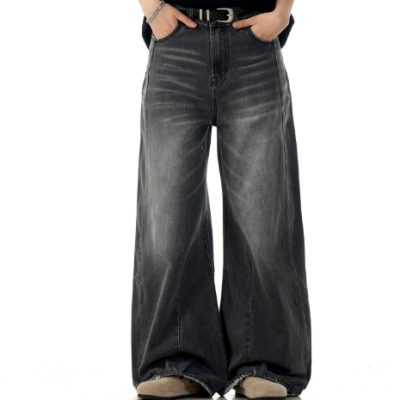

In the crowded landscape of streetwear, the barrier to entry for printed hoodies and t-shirts has never been lower. But for brands looking to elevate their status from “merch” to “fashion house,” denim is the ultimate frontier.
A limited-edition jean isn’t just a product; it’s a statement of technical capability and brand maturity. It signals that your brand understands garment construction, complex supply chains, and the nuance of design.
Successfully executing a limited denim run requires a shift in mindset from mass production to curated scarcity. This guide outlines the operational blueprint for creating denim that drives hype and commands premium prices.
1.The Psychology of the “Drop”: Why Limited Matters
Streetwear thrives on the “Drop Model”—releasing limited quantities at specific times to manufacture urgency. When applied to denim, a notoriouslyDifficult product to manufacture well, this effect is amplified.
Why does this work for denim?
- Perceived Value: High-quality denim production is slow. Communicating that a run is limited to 100 pairs implies a level of handmade care that mass-market brands cannot claim.
- Community Signaling: Owning a rare piece of denim, which inherently ages and personalizes to the wearer, becomes a badge of honor within the brand’s community.
- Avoiding Markdown Risk: By producing slightly less than the anticipated demand, brands ensure sell-through at full price, maintaining brand integrity.
2.The Product: Engineering Premium Denim
If you are charging $200+ for jeans in the streetwear market, the quality must be unimpeachable. The consumer is educated; they know the difference between fast-fashion stretch denim and the real deal.
The Fabric (The Foundation)
The soul of the jean is the fabric. For limited runs, standard open-end cotton won’t cut it.
- Sourcing: Look towards Japanese mills (like Kaihara or Kurabo) or premier Italian mills (like Candiani). These regions are renowned for their artisanal approach to indigo dyeing and weaving.
- Weight: Streetwear fans often prefer substantial fabrics. Look for weights between 13oz and 16oz for a premium, durable feel.
- Texture (Slub): “Slubby” denim has irregular yarn thicknesses, creating a unique, textured hand-feel that fades beautifully over time. This texture screams “premium.”
The Wash and Distress (The Art)
While raw denim has its niche, streetwear often demands immediate visual impact through complex washes.
- Vintage Washing: Move beyond simple stone washes. Utilize enzyme washes and ozone treatments to achieve soft, vintage looks without excessively damaging the cotton fibers.
- Laser vs. Hand Finishing: For precise, replicable distressing patterns or logos, laser finishing is essential. However, for truly unique, high-ticket items, nothing beats the authenticity of manual hand-sanding by skilled artisans.
The Hardware and Details (The Signatures)
In a limited edition piece, no detail is too small.
- Custom Hardware: Branded buttons and rivets are non-negotiable. Do not use stock hardware.
- The Leather Patch: Invest in thick, veg-tan leather patches that will darken and age alongside the denim. Deboss (stamp) your logo rather than just printing it.
- Chain-Stitched Hems: A vintage construction technique that creates a “roping” effect at the cuff as the denim shrinks, highly prized by enthusiasts.
3.Executing the Strategy: Storytelling and Release
You have a premium product. Now you need to build the narrative that justifies the hype.
A. The Pre-Seeding Phase Get the product onto key influencers, but ensure the fit is perfect. Denim is notoriously difficult to size. Send items out 3–4 weeks before the drop to generate organic social proof and “fit pics.”
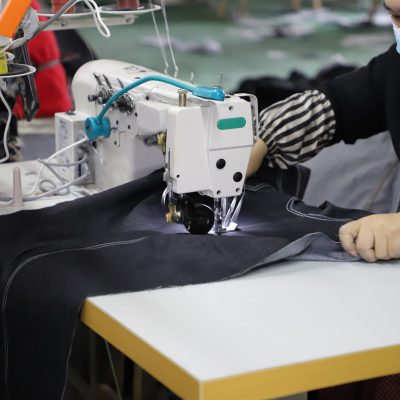
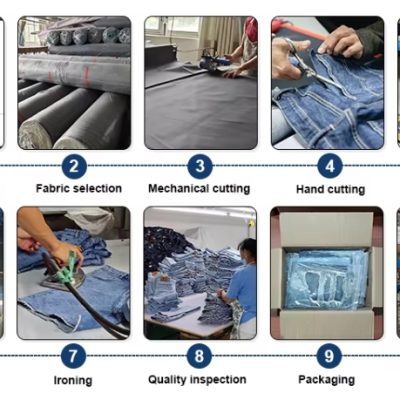
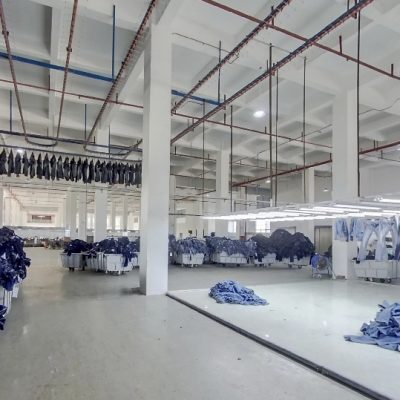
B. Transparency as Marketing Educate your audience on why it costs more. Show behind-the-scenes content of the factory, the weaving process, or the hand-distressing. In streetwear, the “process” is content.
C. The Gated Release Don’t just open the website to everyone at once. Reward your core community.
- SMS/Email First: Give early access codes to your subscribers 1 hour before the public release.
- Numbered Pieces: If you only made 150 pairs, hand-number the inside pocket bag (e.g., “Pair 23/150”). This creates instant collectibility.
Entering the denim market is a significant investment of time and capital for a streetwear brand. It requires patience in prototyping and finding the right manufacturing partners. However, a successfully executed limited edition denim drop can redefine your brand’s perceived value, turning customers into dedicated collectors.