
Introduction: The Manufacturing Challenge of Volume
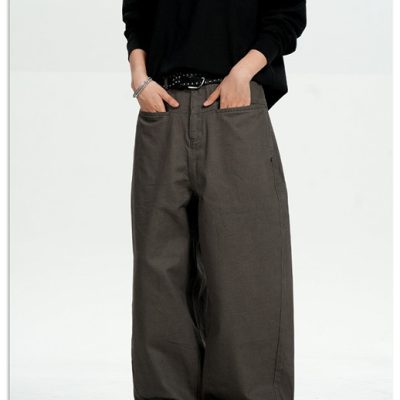
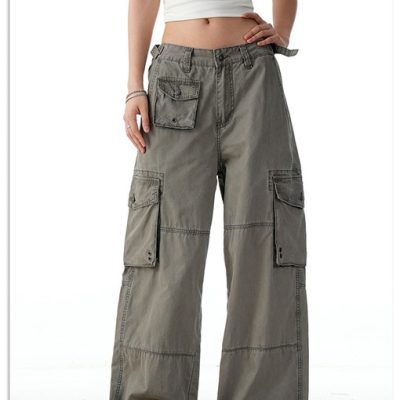
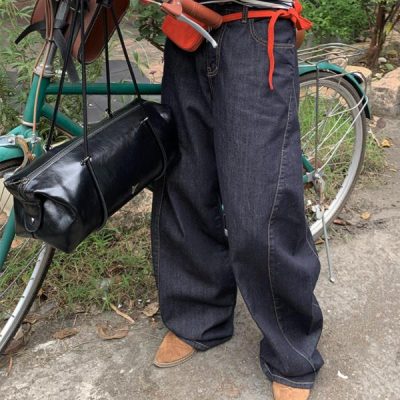
Wide-leg, loose-fit, and baggy denim have cemented their status in the market. While consumers embrace the comfort and aesthetics, product developers and sourcing managers face a critical challenge: making wide-leg jeans look premium.
Unlike fitted styles, where defects are immediately obvious, flaws in loose-fit denim manifest as subtle yet reputation-damaging issues: poor drape, uncontrolled leg twist, and an undesirable sag at the seat.
Identifying a truly premium wide-leg denim manufacturer requires a technical audit, not just a price check. This guide outlines the essential criteria for selecting a B2B partner capable of delivering geometrical integrity and scale efficiency.
1.Pattern Engineering
A premium wide-leg jean is defined by its pattern block. The extra fabric volume must be intentionally managed.
What to Audit in the Factory:
- Dedicated Wide-Leg Block: Does the factory use specialized, proven wide-leg patterns, or are they simply grading up a straight-leg block? Ask to see their CAD blueprint and how they define the “break point” and “drape line.”
- 3D Fit Modeling Capability: Premium factories use 3D software or advanced modeling techniques to test how gravity and fabric weight affect the wide-leg drape before cutting fabric, eliminating costly errors.
- Geometric Integrity: The factory must demonstrate an understanding of how to adjust the rise and yoke geometry to support the garment’s weight, preventing the “seat sag” endemic to low-quality loose fits.
2.Eliminating Leg Twist
Leg twist is a major flaw in mass-produced denim, especially in styles with high torque like wide-legs. It is a direct result of poor cutting and assembly protocols.
What to Audit in the Factory:
- Grainline Protocol: The factory must have a zero-tolerance policy for deviation from the fabric’s vertical grainline . Ask about their marker making process and how they ensure the warp of the fabric is perfectly aligned on the cutting table.
- Specialized Cutting Beds: Inspect their cutting equipment. Do they use automated, precision-guided cutting systems? Manual cutting is a high-risk factor for leg twist in high-volume production.
- Twist Test Reports: Demand to see internal quality control reports showing the results of post-wash twist tests
3.Mastering Material Intelligence
The wide-leg aesthetic is often dictated by fabric weight and composition. A premium factory is a material expert.
What to Audit in the Factory:
- Fabric Weight Expertise (Oz): The supplier should advise on the ideal ounce (oz) of denim (typically 12oz to 14oz+) to achieve the desired structural drape without becoming overly stiff or thin.
- Pre-Wash Analysis: For non-stretch, rigid denim, shrinkage is extreme. The factory must demonstrate its process for predictive shrinkage calculation on new fabrics, adjusting the pattern before bulk cutting to ensure the final washed size is correct.
4.Consistency and Scalability
The ultimate test of a premium manufacturer is their ability to maintain the premium drape across all sizes—from XS to XXL.
What to Audit in the Factory:
- Advanced Grading Systems: Ask about their pattern grading method. In loose-fit denim, the grading of the ankle and knee must be nuanced to maintain the overall proportion. Poor grading results in a size XXL that looks sloppy rather than intentionally wide.
- Fit Model Protocol: Ensure they use a diverse range of live fit models to test the wide-leg samples, verifying the critical areas (hip, knee, hem) across the size run.
The Technical B2B Partnership
Sourcing a premium wide-leg denim factory means investing in a technical B2B partnership. You are not just outsourcing labor; you are acquiring the manufacturing intelligence necessary to translate a complex fashion trend into a reliably high-quality, scalable product.
Focus on the criteria of Pattern Engineering, Quality Control, and Material Intelligence. This strategic approach ensures your brand’s wide-leg denim will stand out for its superior drape and geometrical integrity.